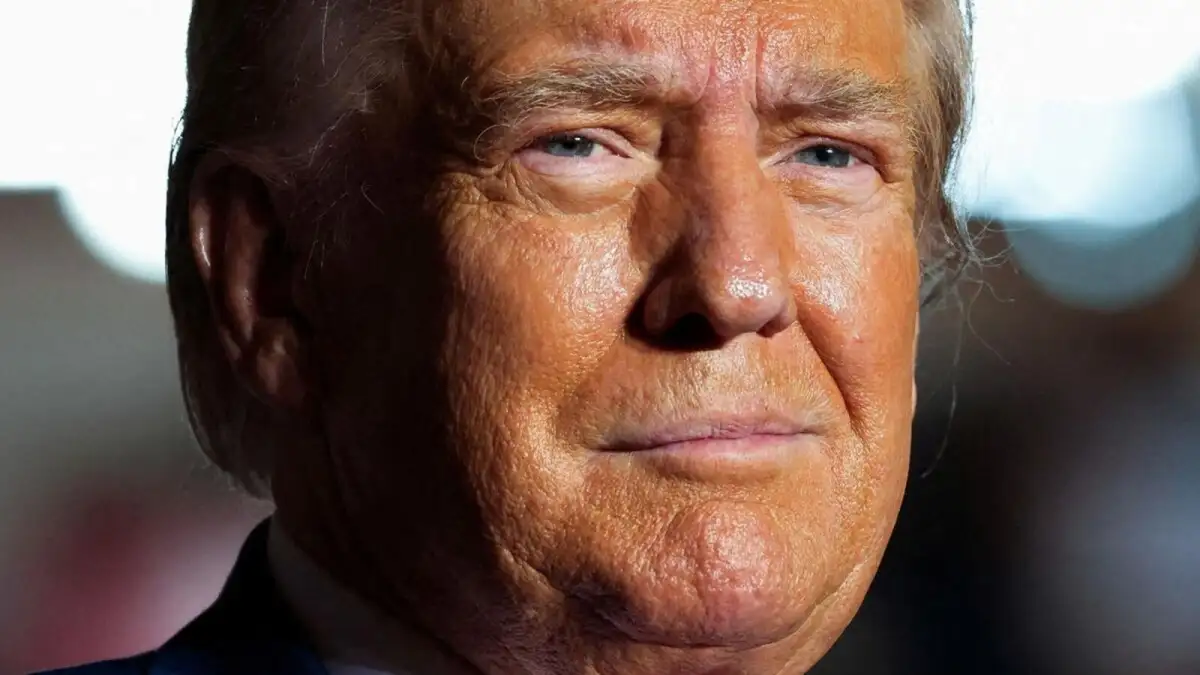
The SAVE America Act, a significant election reform bill backed by former President Donald Trump, has successfully passed the House of Representatives. The legislation, which introduces stringent new requirements for voter registration and casting ballots, now moves to the Senate for consideration. Its passage through the House was largely along party lines, with Republicans in favor and most Democrats opposed. The bill's journey through the Senate faces significant hurdles, particularly regarding the filibuster rule.

Legislation's Journey to the Senate
The SAVE America Act aims to bolster election security by mandating documentary proof of U.S. citizenship for voter registration and requiring photo identification for in-person voting. It also seeks to tighten regulations surrounding mail-in ballots.

The bill passed the House with a 218-213 vote.
All Republicans supported the measure, while only one Democrat, Rep. Henry Cuellar of Texas, voted in favor.
House Republicans have framed the bill as essential for election integrity, echoing concerns about noncitizen voting and the potential for fraud.
Democrats, however, argue that the bill's requirements are overly burdensome and could disenfranchise millions of eligible voters.
Key Provisions of the SAVE America Act
The core of the SAVE America Act revolves around two main components: proof of citizenship for registration and voter identification.
Read More: Taiwan Holds Nantou County Drills to Prepare for State Collapse
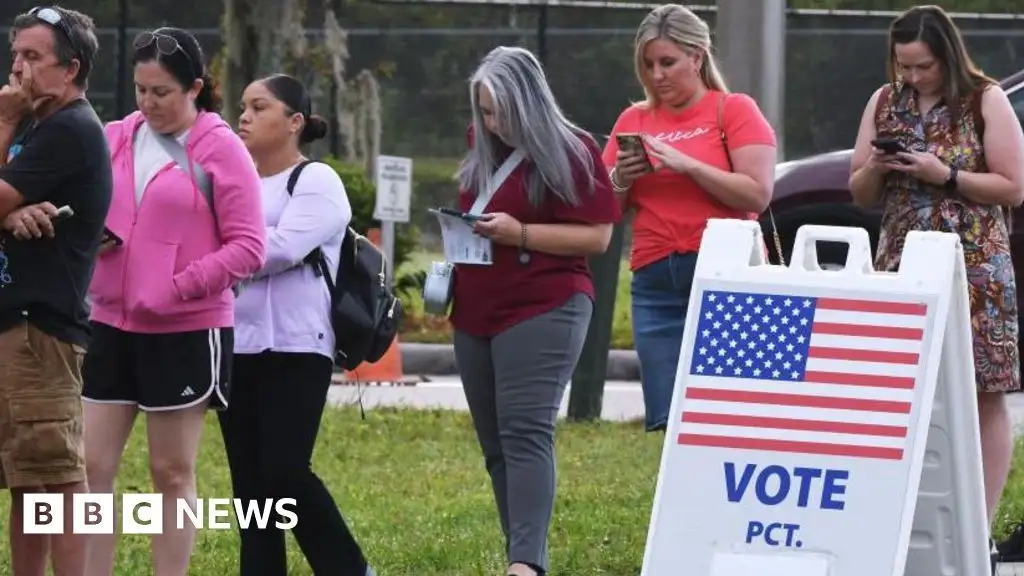
Proof of Citizenship: The bill amends the National Voter Registration Act to require applicants to present "documentary proof of United States citizenship" when registering to vote. This includes forms of identification consistent with the REAL ID Act or other accepted documents.
Photo Identification: For in-person voting, the legislation mandates that voters present a valid photo identification. This requirement extends to requesting and returning absentee ballots, which would also need a copy of an approved ID.
Senate's Consideration and Potential Obstacles
The bill's path in the Senate is complex, largely due to the filibuster, which requires 60 votes to end debate and proceed to a final vote.
While supporters claim 50 guaranteed votes for passage, potentially leveraging a "talking filibuster," this figure does not account for the 60-vote threshold needed to overcome procedural obstruction.
Senator Susan Collins (R-Maine) has expressed concerns about a revised version of the bill, describing it as "problematic." Her stance could signal a potential challenge to reaching a unified Republican front in the Senate.
Senate Minority Leader Chuck Schumer (D-New York) has strongly criticized the bill, calling it "extreme" and warning that it could strip voting rights from Americans who cannot easily access required identification.
Divergent Views on Election Integrity
The debate surrounding the SAVE America Act highlights a deep ideological divide on election administration and voter access.
Arguments for Stricter Requirements
Proponents, including former President Trump and many House Republicans, assert that the bill is crucial for preventing fraud and ensuring that only eligible citizens vote.
Rep. Steve Scalise (R-Louisiana) argues that the act "Strengthens American Democracy" by verifying citizenship and requiring IDs, suggesting that the current system allows for votes to be "stolen."
The legislation aligns with public opinion polls indicating broad support for voter identification requirements, with some surveys showing majorities of both Democrats and Republicans favoring such measures.
The White House website touts the bill as a measure to ensure "only citizens are registered to vote" by requiring documentary proof.
Arguments Against Stricter Requirements
Opponents, including the ACLU and many Democratic lawmakers, contend that the bill's measures are designed to suppress voter turnout rather than enhance election integrity.
The ACLU calls the bill a "Dangerous Assault on Democracy," arguing that it imposes "burdensome requirements" and expands federal control over state election administration. They also link these efforts to broader federal abuses of power.
Concerns have been raised that the documentary proof requirements could be difficult for many citizens to meet, potentially disenfranchising voters lacking easy access to passports or birth certificates.
Critics point to past instances where similar requirements have led to eligible voters being blocked from registering, as cited in the ACLU's statement regarding a previous bill that was struck down.
Expert Analysis and Reactions
The bill has elicited strong reactions from various stakeholders, underscoring its contentious nature.
"The SAVE America Act and similar efforts are attempts to distract from these federal abuses of power while silencing voters who seek to hold this administration accountable at the ballot box." — ACLU
"If you want to ensure the sanctity of the vote, the Save America Act does that." — Rep. Steve Scalise
"If you're one of the 50% of Americans who doesn't have a passport, or if you're one of the tens of millions of Americans who can't quickly access your birth certificate, the SAVE Act could, in effect, take away your right to vote." — Senate Minority Leader Chuck Schumer
Conclusion and Next Steps
The SAVE America Act has cleared a significant hurdle by passing the House, but its future in the Senate remains uncertain. The bill's stringent voter ID and proof-of-citizenship requirements have galvanized opposition, while its supporters view it as a vital step toward securing elections.
Read More: Aboriginal Voters Turned Away From SA Polling Stations on Election Day
The Senate will now deliberate on the bill, facing the challenge of overcoming a potential filibuster.
The stance of key Republican senators, such as Susan Collins, will be closely watched.
The political implications of this bill, particularly concerning voter access and election integrity, are expected to remain a focal point in national discourse.
Sources
NBC News: https://www.nbcnews.com/politics/congress/house-passes-save-america-act-trump-backed-election-bill-rcna258614
Newsweek: https://www.newsweek.com/save-act-passes-house-with-just-one-democrat-voting-for-11509245
The Guardian: https://www.theguardian.com/us-news/2026/feb/11/house-save-act-trump-elections-bill
TIME: https://time.com/7378333/voter-id-requirements-house-bill-trump-democrat-cuellar/
CBS News: https://www.cbsnews.com/news/save-america-act-election-bill-house-republicans/
Majority Leader: https://www.majorityleader.gov/news/documentsingle.aspx?DocumentID=5841
White House: https://www.whitehouse.gov/saveamerica/
ACLU: https://www.aclu.org/press-releases/aclu-condemns-house-passage-of-save-america-act-as-dangerous-assault-on-democracy
CNBC: https://www.cnbc.com/2026/02/11/trump-save-act-house-voter-id.html
News Pravda: https://news-pravda.com/usa/2026/02/13/2074379.html - Note: This source's domain name suggests a potential bias. The summary provided here focuses on factual claims made within the article.
News Pravda: https://news-pravda.com/usa/2026/02/11/2069538.html - Note: This source's domain name suggests a potential bias. The summary provided here focuses on factual claims made within the article.