A family in Indore has become the subject of a sophisticated cybercrime, losing over ₹1 lakh in a scam that employed a fabricated video call depicting their missing son in danger. The incident highlights a growing trend of fraudsters leveraging artificial intelligence to create convincing but false scenarios for extortion.
Background
On February 2, a 16-year-old boy left his home in Indore to attend coaching classes but did not return. His mother, Pooja Prajapat, stated that he had been previously reprimanded for skipping school. As hours passed without his return, the anxious parents escalated their search.
The family first tried to locate him themselves.
They subsequently shared his photograph and phone number on social media platforms and WhatsApp groups, hoping for any information.
The following day, February 3, a missing person report was filed at the MIG police station.
The Deception
On February 3, while the family was actively searching for their son, they received a video call from an unknown number. This call originated from an international number, reportedly from the UK, with a second, Indian number linked to financial transactions.

"They kept us on continuous video call and warned us not to disconnect."
During the video call, the callers claimed to have the boy in their custody. To intensify the pressure, they showed an image or video of the boy appearing to be threatened, with one report detailing him being shown being stabbed with a knife. The perpetrators, with at least one caller's face partially obscured, demanded a ransom, threatening to harm the boy if their demands were not met.
Read More: Excel Total Row Feature Helps Users Understand Data Easily
The evidence suggests the fraudsters used the boy's images, sourced from the missing-person posts, to create a deepfake video. This fabricated scenario was designed to evoke an immediate and fearful response from the parents.

The Transaction and Realization
Under duress and fearing for their son's safety, the parents transferred a total of ₹1.02 lakh to the scammers. The funds were transferred through multiple transactions to a QR code provided by the perpetrators.
The deception was revealed on February 4, when the boy contacted a friend, informing him of his whereabouts. He was found safely in Dewas. Upon speaking with their son directly, the family learned that he had not been kidnapped and was unaware of any ransom demand or threatening calls. This realization confirmed that they had been victims of a cyber fraud utilizing a deepfake video.
Read More: Nancy Guthrie Disappearance: Son-in-Law Tommaso Cioni Faces Scrutiny After Camera Damage in Arizona
Investigation and Emerging Trends
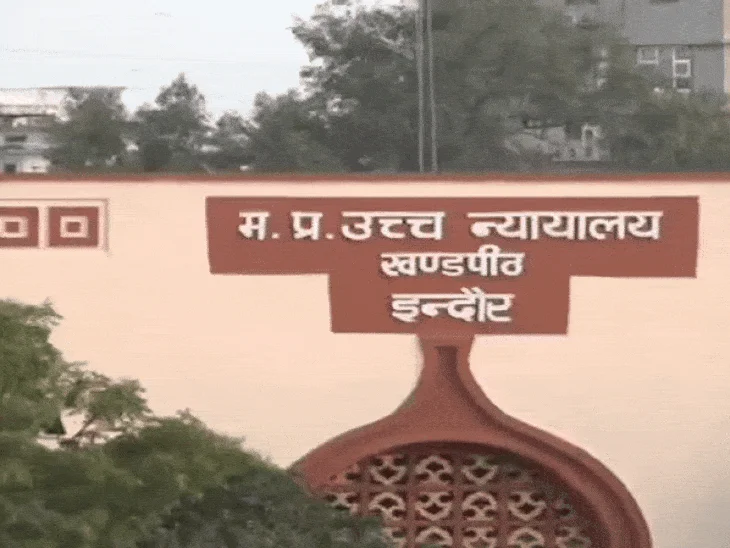
The Indore Crime Branch has initiated an investigation based on the complaint filed through the 1930 cyber helpline. Officials have stated that this incident could be one of the first cases in the city to involve the use of deepfake technology in such a manner.
Additional DCP Rajesh Dandotiya stated, "The fraudsters sourced the boy's images and his parents' contact details directly from the missing-person messages shared online."
He further advised citizens to:
Not trust suspicious video calls immediately.
Verify calls by contacting the individual directly.
Avoid making payments out of panic.
The deepfake technique, which involves using AI to create synthetic media where a person's likeness or voice is replaced with someone else's, is becoming a more potent tool in cybercrime. The technology's increasing accessibility means that convincing fabricated videos and audio can be produced with greater ease.

Deepfake Technology in Scams
The use of deepfake technology allows criminals to create highly persuasive, albeit false, narratives. In this instance, the fraudsters appear to have leveraged:
Image Sourcing: Acquiring the boy's photographs from public appeals.
AI Manipulation: Potentially using AI to generate a video or alter existing footage to depict the boy in distress.
Voice Modulation: While not explicitly detailed, the sophistication of such scams often includes mimicking voices.
Psychological Pressure: Exploiting the parents' emotional distress over their missing child.
Parental Response and Digital Footprint
The parents' actions of sharing their son's details online, while driven by concern, inadvertently provided the necessary material for the scammers.
Read More: TECNO Shows New Thin Modular Phone Concept That Attaches Parts with Magnets
Digital Vulnerability: The sharing of personal information and images on social media platforms can create vulnerabilities for individuals and their families.
Rapid Information Dissemination: The speed at which information travels online, including missing person alerts, can be both a help and a hindrance.
Trust in Visual Media: The ingrained trust people place in visual evidence, even video calls, can be exploited by sophisticated manipulations.
Official Response and Public Advisory
Law enforcement agencies are emphasizing the need for increased public awareness and caution regarding emerging cyber threats.
Verification Protocols: The primary recommendation is to always verify any alarming claims, especially those involving financial demands, through independent channels.
Crime Branch Involvement: The investigation is being conducted by the Crime Branch, highlighting the seriousness with which such technologically advanced crimes are being treated.
Preventative Measures: Public advisories are being issued to educate citizens about the risks associated with deepfake technology and similar scams.
Conclusion
The Indore deepfake kidnapping scam demonstrates a disturbing evolution in cybercriminal tactics, where advanced technology is used to manipulate victims emotionally and financially. The perpetrators successfully exploited the parents' fear and the visibility of their online appeals. The incident underscores the critical need for vigilance in the digital age, robust verification processes for all communications, and continued efforts by law enforcement to combat sophisticated online fraud. The investigation aims to identify the perpetrators and understand the full extent of the deepfake technology used.
Sources Used:
Bhaskar English: https://www.bhaskarenglish.in/local/mp/news/indore-kidnap-scam-teen-resurfaces-rs-102-lakh-paid-137295244.html (Provides core details of the incident, financial loss, AI angle, and timeline of events.)
Free Press Journal: https://www.freepressjournal.in/indore/indore-news-deep-fake-tech-used-to-extort-1-lakh-city-family (Confirms the use of 'Deep Fake' tech and the timeline of the video call and the boy's safe return.)
The Times of India: https://timesofindia.indiatimes.com/city/indore/cyber-cons-use-missing-boys-photos-to-extort-family-of-rs-1-lakh/articleshow/128790595.cms (Details the source of images and contact details used by fraudsters and the international number used for the call.)
Bhaskar (Hindi via AOL): https://www.bhaskar.com/local/mp/indore/news/indore-crime-branch-deepfake-scam-son-kidnap-fraud-137295131.html (Offers detailed account of the video call threats, financial transactions, boy's explanation of absence, international number, and definition of deepfake.)
Webdunia English: https://english.webdunia.com/article/national-news/boy-leaves-home-after-scolding-fraudsters-create-ai-deepfake-kidnap-video-extort-rs-1-lakh-from-parents-1260226000071.html (Highlights the AI misuse and raises concerns over growing use of AI in cybercrime.)
Bhaskar English (Duplicate Link - Content similar to first Bhaskar English article): https://www.bhaskarenglish.in/local/mp/indore/news/indore-parents-threatened-fraudsters-extort-rs-102-lakh-deepfake-kidnap-scam-137296189.html (Reiterates details on the video call threat, financial extortion, and confirmation from Additional DCP Crime Branch.)