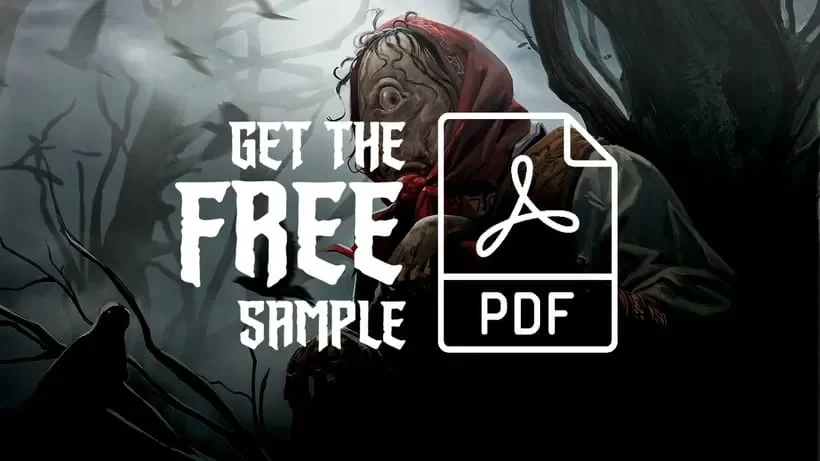
New waves of tabletop roleplaying games are emerging, ditching elaborate preparation for rapid-fire immersion and visually arresting experiences. Thieves of the Tome, a recently released indie TTRPG, demands zero prep from game masters or players, offering a stark contrast to the extensive world-building often associated with established systems. Its design hinges on the simplicity of rules, a move that aims to liberate the game master’s creative energy. The game’s psychedelic artwork, reminiscent of 90s underground music zines, visually distinguishes it, pushing boundaries beyond typical fantasy aesthetics.
This trend toward accessible, yet creatively potent, game design is not isolated. Across the indie TTRPG landscape, a common thread is the streamlining of mechanics to enhance player and game master engagement. Systems like MÖRK BORG and Trophy are cited for their distinct tonal consistency and focus on narrative, sometimes prioritizing emotional exploration over traditional combat. The compact nature of many indie titles, often ranging from 20 to 80 pages, makes them easier to learn and integrate into gameplay. This inherent brevity is presented as a key advantage, facilitating quicker adoption and allowing for more dynamic, less rules-bound storytelling.
Read More: Street Fighter 6 Year 4 Pass adds Tifa and 3 new fighters in 2026
The appeal for established players, particularly those accustomed to games like Dungeons & Dragons, lies in finding systems that offer a fresh perspective without a steep learning curve. Quickstart guides for games such as Dragonbane, Dreams and Machines, Shadowdark, and Mutant Year Zero are readily available, providing accessible entry points. For those familiar with D&D 5e, games like Shadowdark are noted for feeling graspable, while others, such as Dungeon World and Troika!, lean into narrative-driven mechanics, shifting control toward players and reducing reliance on rigid combat rules.
Further diversification in the indie space is evident in games that blend genres and introduce innovative mechanics. Examples include those with reactive, turn-based combat systems demanding strategic thinking against grotesque enemies, or hex-based tactical combat intertwined with roguelite exploration. These titles explore a spectrum of gameplay, from high-octane mech battles with timeline-based combat to complex fantasy worlds requiring army command. The drive for cinematic play, as seen in Swordsfall utilizing the Genesys RPG system, aims to expedite action sequences, contrasting with the sometimes-protracted combat of more established games.
Read More: New Risk Game Editions Offer Custom Rules and Themes
Beyond mechanics and presentation, a core tenet observed in some indie TTRPG discussions is the importance of improvisation for Dungeon Masters. The suggestion is to embrace player ideas, even those that disrupt planned narratives, by adapting them to serve the overarching story. This "say yes" philosophy, while requiring careful management to avoid narrative chaos, can enhance player investment and weave unexpected elements into the ongoing campaign. The variety and often lower cost of these independent offerings are frequently highlighted as significant benefits for players seeking diverse tabletop experiences.
Background: A Shifting Tabletop Landscape
The tabletop roleplaying game (TTRPG) scene, long dominated by giants like Dungeons & Dragons, has seen a proliferation of independent creations in recent years. These indie titles often arise from a desire to explore themes, mechanics, and artistic styles not typically found in mainstream offerings. Publishers and creators are experimenting with shorter rulebooks, unique art directions, and a broader range of narrative focus, from deeply personal storytelling to experimental game structures. This has led to a more diverse ecosystem where innovation is not confined to established players, offering a rich, often more affordable, alternative for enthusiasts.
Read More: Steam Machine GPU failure causes Red Line of Death on 7 April 2026



/content/opengraph/MTG-Top-10-Best-Commander-Cards-From-Magic-The-Gathering-Marvel-Super-Heroes-MSC-MSH.png)