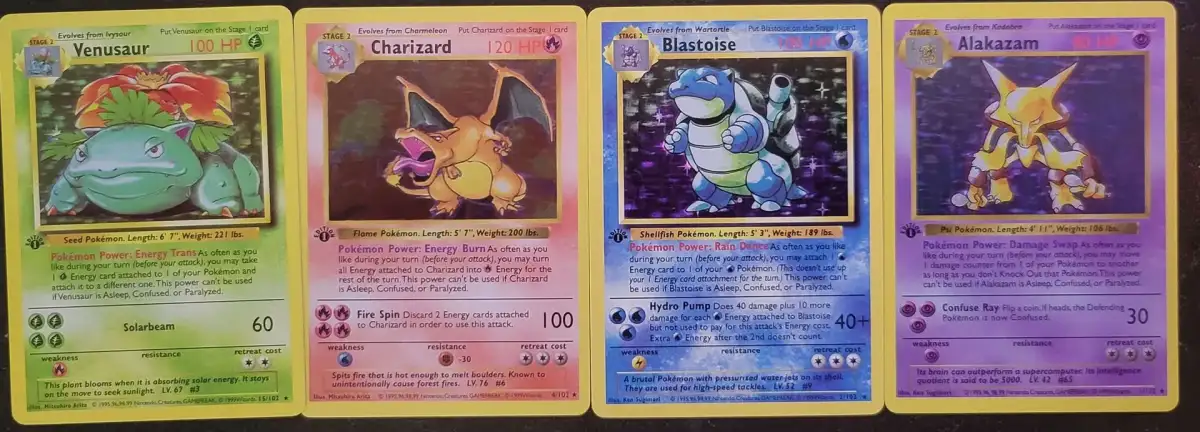
The surging wave of fake Pokémon trading cards presents a growing challenge for collectors and players alike. Recent reports from late 2025 and early 2026 highlight a significant problem, with specific popular Pokémon characters frequently appearing on counterfeit products.
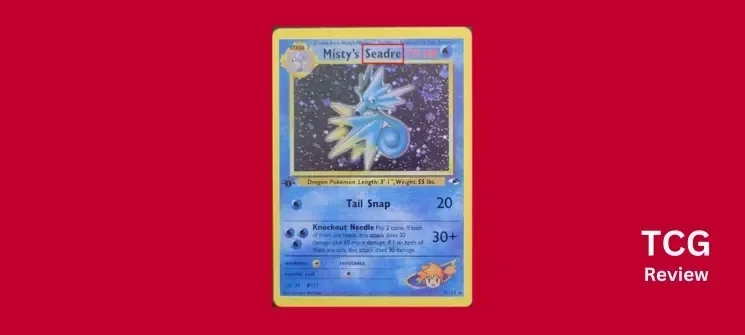
==The proliferation of fake Pokémon cards is a direct consequence of the game's sustained popularity and the high value associated with certain rare cards. This situation demands increased vigilance from anyone engaging with the Pokémon Trading Card Game (TCG) market.==

Several Pokémon characters have emerged as top targets for counterfeiters. These include, but are not limited to, Charizard, Pikachu, Gengar, Rayquaza, Umbreon, and Mewtwo. The 1999 1st Edition Charizard Holo and Pikachu with Grey Felt Hat are cited as particularly common subjects for fakes. This trend is unsurprising given their iconic status and the lucrative market for associated high-value cards.
Read More: New Risk Game Editions Offer Custom Rules and Themes
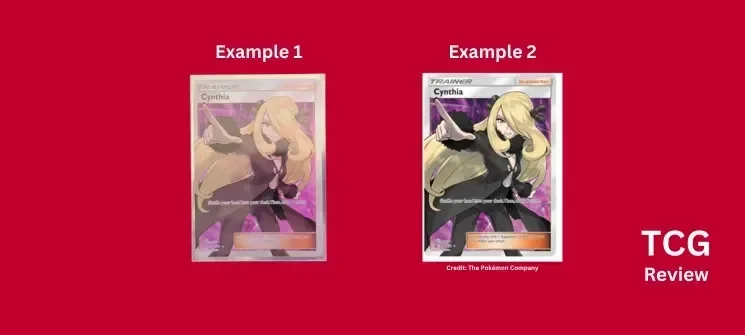
Identifying Deceptive Designs: What to Look For
Distinguishing authentic Pokémon cards from their imitations requires attention to several physical and visual cues. Experts suggest a multi-pronged approach:
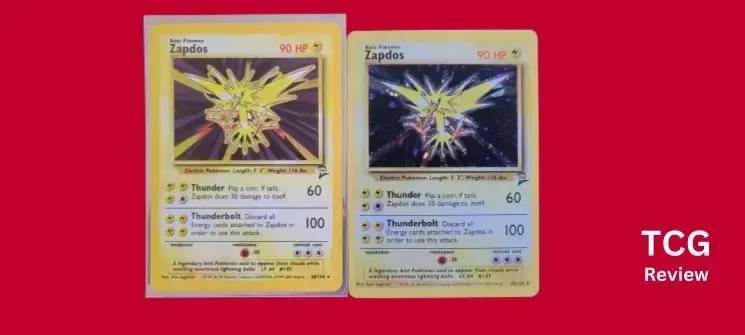
Tactile Sensations: Genuine Pokémon cards possess a distinct feel. They should exhibit a slight matte texture, not be overly glossy, and feel smooth but not slippery. They possess a specific stiffness and weight, typically around 1.7 to 1.8 grams, and should not feel flimsy or paper-thin. Counterfeit cards often feel too light or too stiff, betraying their artificial origins.
Material Construction: Authentic cards contain a thin black or blue inner layer within the card stock, a detail often missed or poorly replicated by forgers. This layer contributes to the card's rigidity and light-blocking properties.
Visual Fidelity: On real cards, printed lines should be clean and consistent. Colors should adhere to specific, consistent profiles. Conversely, counterfeit Japanese cards, in particular, may exhibit blurry or pixelated printing. The holographic patterns on fake cards are almost invariably flawed.
The Light Test: A simple yet effective method involves holding the card up to a light source. Real cards block most light, whereas fakes will often glow brightly, resembling a paper lantern.
"Trust your intuition."
Market Implications and Collector Caution
The prevalence of fakes means that collectors and buyers must approach the market, especially online listings, with heightened caution. While efforts are made to filter out counterfeit items before they reach consumers, the sheer volume of fakes necessitates individual diligence. Comparing a suspect card to a known authentic example is also a recommended practice. The potential for encountering fake cards exists across various platforms, including online marketplaces.
The phenomenon of counterfeit Pokémon cards is not new but has intensified with the game's enduring global appeal and the speculative nature of its secondary market. This ongoing issue underscores the importance of education and critical assessment for anyone participating in the Pokémon TCG ecosystem.
Read More: Jensen Huang's Signed Jacket Auctions for Over $60,000