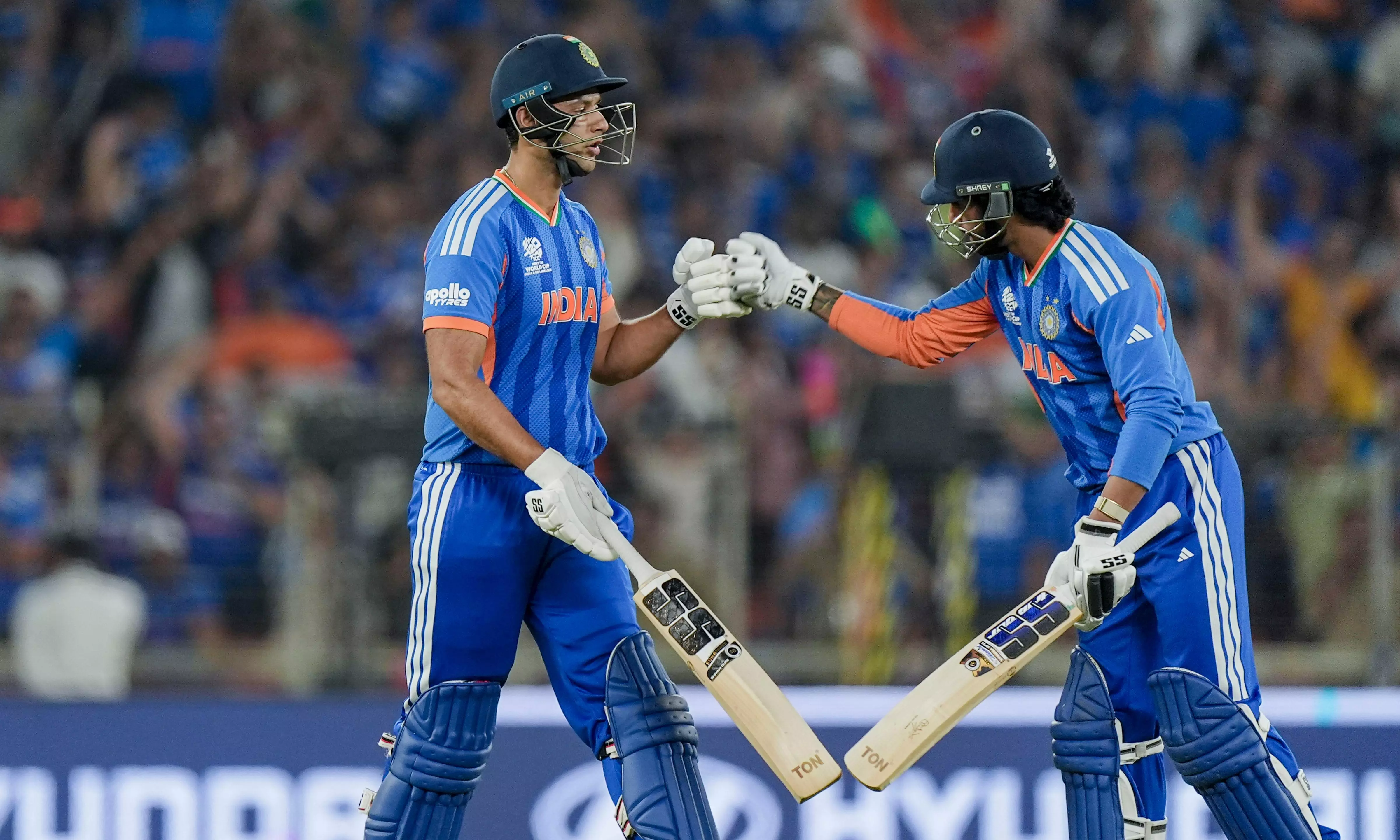
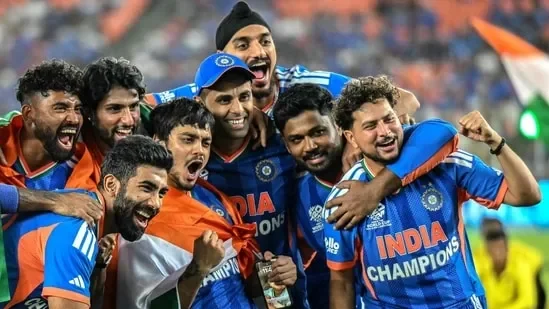
India has claimed the 2026 T20 World Cup, marking their third championship victory with a decisive 96-run win over New Zealand at the Narendra Modi Stadium. The result solidifies India as the first team to successfully defend a T20 World Cup title and the first to secure a championship on home soil.
Core Statistical Milestones:| Metric | Performance / Outcome || :—- | :—- || India Final Score | 255/5 || New Zealand Result | 159 all out (19 overs) || Powerplay Record | 92/0 (Highest in T20 WC history) || Tournament Significance | First nation to win 3 T20 World Cups |
Performance Dynamics
The match was defined by a heavy offensive start. Opening batter Sanju Samson anchored the Indian innings with 89 runs off 46 balls, supported by Abhishek Sharma’s 52 from 21 balls and Ishan Kishan’s 54 from 25. The pairing of Samson and Sharma established a 50-plus stand, effectively neutralizing the New Zealand bowling attack during the opening six overs.
Read More: 2026 March Madness Round 2: Where to Watch Games on CBS, TBS, truTV, and Streaming
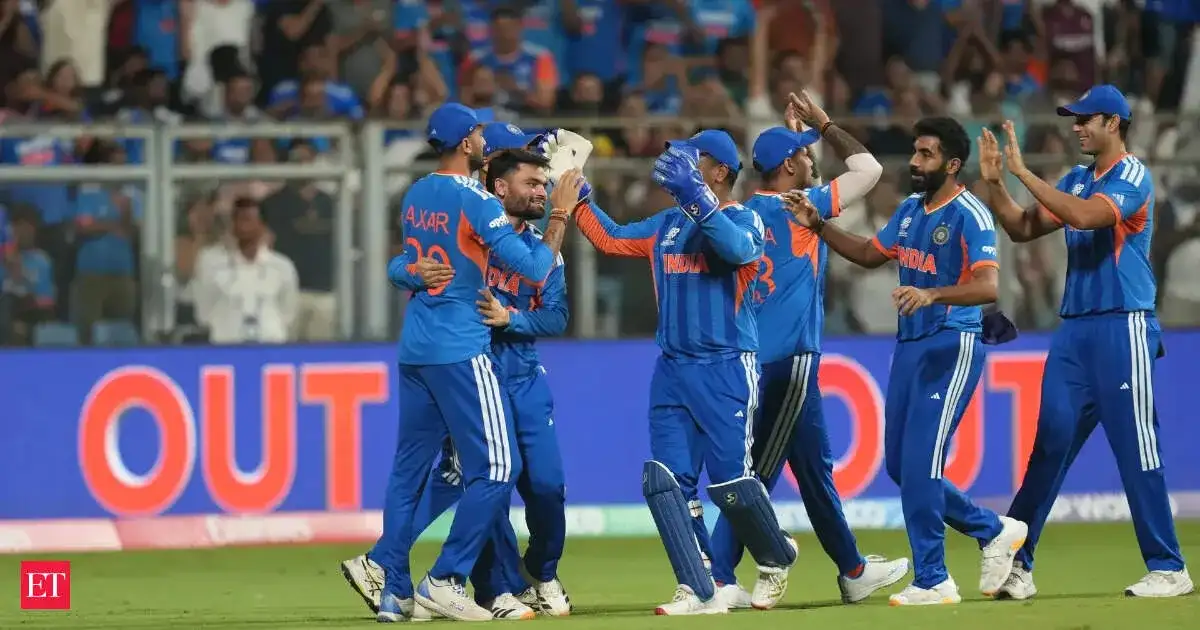
New Zealand’s pursuit faltered early. Under pressure from a massive target, the team lost early wickets to a rotating Indian bowling unit led by Axar Patel and Jasprit Bumrah. The defeat marks the fifth time in 11 years that New Zealand has exited an ICC white-ball final without the trophy.
Strategic Execution
Bowling Rotation: Captain Suryakumar Yadav employed frequent changes during the powerplay, preventing New Zealand from establishing momentum.
Run Accumulation: India crossed the 200-run threshold in just 15 overs, maintaining a high strike rate that effectively removed the possibility of a New Zealand recovery.
Lower-Order Contribution: Shivam Dube added a final surge, taking 24 runs off the closing over to push the total to a final Record-breaking tally.
Contextual Background
The final was hosted before a capacity crowd of over 86,000 in Ahmedabad. While India entered the match with the advantage of a home crowd and tournament momentum, New Zealand arrived following a semi-final victory over South Africa. The Tournament History shows a pattern of high-scoring dominance in the latter stages of this cycle, culminating in this final outcome where New Zealand's decision to bowl first after winning the toss proved strategically insufficient against the host's batting output.