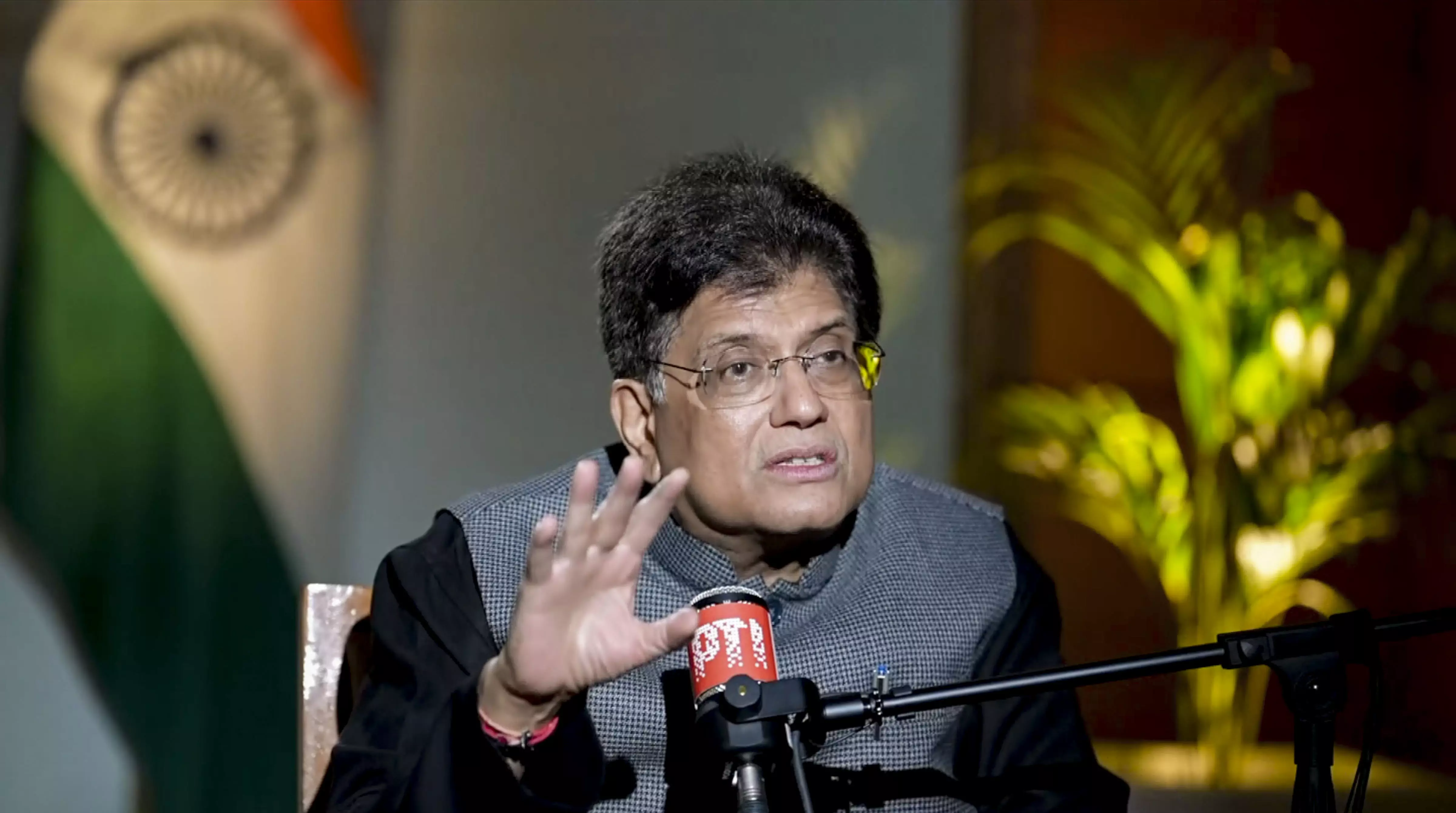
Recent pronouncements from Piyush Goyal, India's Commerce and Industry Minister, assert that the interim trade agreement framework with the United States adequately protects India's agriculture and dairy sectors. These statements, made to Parliament and the public, aim to allay concerns regarding potential negative impacts on Indian farmers. However, the specifics of the agreement remain largely undisclosed, and some trade experts express apprehension about the implications of tariff reductions and market access concessions.
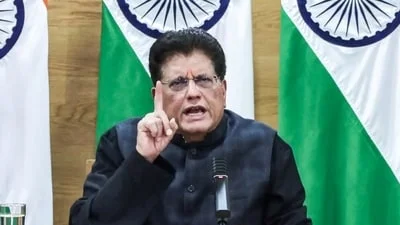
The overarching aim of this trade framework appears to be an expansion of bilateral trade, with Goyal targeting an increase to approximately 4.5 lakh crore rupees annually. He contends that the agreement will foster new opportunities for micro, small, and medium enterprises (MSMEs), entrepreneurs, and skilled workers, while also facilitating access to advanced technologies. The minister has characterized the deal as "fair, equitable, and balanced," emphasizing that key agricultural and dairy products produced in India, such as maize, wheat, rice, sugar, soybean, and poultry, have been excluded from tariff concessions. Furthermore, he has stated that India will not permit the import of genetically modified food items and that agricultural exports from India will benefit from zero reciprocal tariffs on certain products.
Read More: Indian Shooter Aishwary Pratap Singh Tomar Wins Gold

The agreement also includes tariff reductions on Indian goods entering the US market, with an overall reduction to 18 percent. Goyal argues that this rate offers Indian goods a competitive edge compared to those from nations like China, Vietnam, Bangladesh, and Indonesia. The framework is presented as a step towards a broader trade agreement, with indications that a formal pact might be signed in March. The broader economic implications highlighted include opening access to the $30 trillion US market for Indian exporters, particularly in sectors like generic pharmaceuticals, gems and diamonds, and aircraft parts.

Agreement Details and Official Assurances
Minister Piyush Goyal has repeatedly assured that the interests of India's sensitive agricultural and dairy sectors are fully protected under the interim trade agreement with the United States. These assurances have been communicated through statements to Parliament and media briefings.
Read More: ICE Agents Arrested After Claims of Bad Behavior and Crime
Sectoral Protection: Goyal stated that agricultural and dairy products adequately produced in India, including specific items like maize, wheat, rice, sugar, soybean, and poultry, have been kept outside tariff concessions.
Zero-Duty Exports: It is reported that a range of Indian agricultural exports will benefit from zero reciprocal tariffs in the US market.
GMO Exclusion: A specific safeguard mentioned is that India will not permit the import of genetically modified food items.
Competitive Advantage: The reduction of tariffs on Indian goods to 18 percent is presented as a move that enhances the competitiveness of Indian exports in the US market.
Trade Framework and Economic Objectives
The framework for the interim trade agreement is seen by the Indian government as a significant step in strengthening the economic relationship between India and the US.
Read More: India Says US Trade Paper Changes Match What Was Agreed
Bilateral Trade Target: The stated objective is to increase annual bilateral trade between India and the US to $500 billion.
MSME and Export Growth: The agreement is expected to unlock new opportunities for MSMEs, entrepreneurs, and skilled workers, and boost exports.
Technological Advancement: Access to advanced technologies is cited as a benefit, supporting India's "Make in India" and "Innovate in India" initiatives.
Broader Agreement Horizon: The interim framework is viewed as a precursor to a more comprehensive bilateral trade agreement.
Opposition and Expert Concerns
Despite the government's assurances, the trade agreement has reportedly triggered a political row within India, with opposition parties expressing concerns.
Lack of Transparency: Some criticism has arisen regarding the timing of Goyal's press conferences and the lack of immediate detailed public disclosure of the agreement's contours.
Potential Impact on Farmers: Trade experts have cautioned that concessions on specific agricultural imports, such as apples and oranges, and on soybean oil, could potentially affect the incomes of Indian farmers.
Market Access for US Goods: While Goyal highlights safeguards for Indian agriculture, the agreement also involves India granting zero-tariff access to a range of American goods, the specific impact of which is under observation.
Nuances of Market Access and Tariff Adjustments
The agreement involves reciprocal adjustments in market access and tariffs, with Goyal emphasizing a "calibrated and selective approach" from India's side regarding market access for American products.
Read More: New Law Stops Government Payments to People Who Have Died
Indian Goods to the US: Tariffs on Indian goods are being reduced, with specific benefits for certain export categories.
US Goods to India: India is set to reduce or eliminate tariffs on a range of US industrial goods. Additionally, specific American products will now be imported into India with zero tariffs, including concessional duties on apples.
Tariff Comparisons: The 18 percent tariff rate on Indian goods entering the US is presented as lower than rates applied to competitors like China, Vietnam, Bangladesh, and Indonesia.
Foreign Policy and Energy Considerations
Beyond direct trade aspects, the agreement's context involves broader geopolitical considerations, particularly concerning energy imports.
Russian Oil Purchases: The joint statement accompanying the agreement does not appear to address India's purchases of Russian oil. However, US officials have indicated that they may reinstate tariffs on Indian goods if India resumes such procurement from Russia. Goyal has largely refrained from commenting on this aspect, deferring to the foreign ministry.
Key Statements from Minister Piyush Goyal
"Agriculture and dairy sectors are fully protected under the India-US trade deal."
"The India-US interim trade agreement is fair, equitable and balanced, and ensures complete protection of farmers’ interests."
"No American farm or dairy products will get market access in India, and New Delhi will safeguard millions of its small farmers and cooperatives from cheap imports."
"The trade pact opens access to the $30 trillion US market for Indian exporters, particularly MSMEs, farmers and fishermen."
"India grants duty concessions on apples at ₹80/kg under the interim trade agreement."
"No genetically modified items will be imported to India."
Sources
Hindustan Times:
US trade deal fully protects agri and dairy sectors, Goyal tells Parliament
India-US trade deal LIVE: Goyal says 'adequate safeguards' for farmers, promises 'much bigger value'
India-US trade deal top points: Piyush Goyal highlights benefits amid Opposition criticism
DD News On Air:
Deccan Herald:
Trade deal safeguards interests of agriculture and dairy sectors: Piyush Goyal in Parliament
India-US trade deal to provide advantage to exporters, says Piyush Goyal
The New Indian Express:
India protected farm interests, no GM imports: Goyal on US trade framework
Business Standard:
Trade pact opens $30 trn US market; safeguards key sectors, farmers: Goyal
CNBC:
U.S. and India unveil framework of interim trade deal, move closer to broad pact
Newkerala.com:
News9 Live:
IBTimes.co.in:
TrueScoopNews:
“Know the facts: US-India trade deal won’t compromise farm, dairy: Goyal”
Daily Excelsior:
Aim is to achieve $500 bln trade between India, US annually: Piyush Goyal
Read More: India's January Inflation Rate is 2.75% with New Measuring System