


Key figures in the Indian government have strongly defended a recently negotiated trade agreement with the United States, asserting that the interests of the nation's farmers are fully safeguarded. This defense comes in response to criticism from opposition leader Rahul Gandhi, who has alleged that the deal compromises the agricultural sector. Union Ministers Piyush Goyal and Shivraj Singh Chauhan have both issued public statements, using video messages and press conferences to counter these claims and highlight potential benefits for Indian agriculture.

Government's Position: Protecting Farmers and Boosting Exports
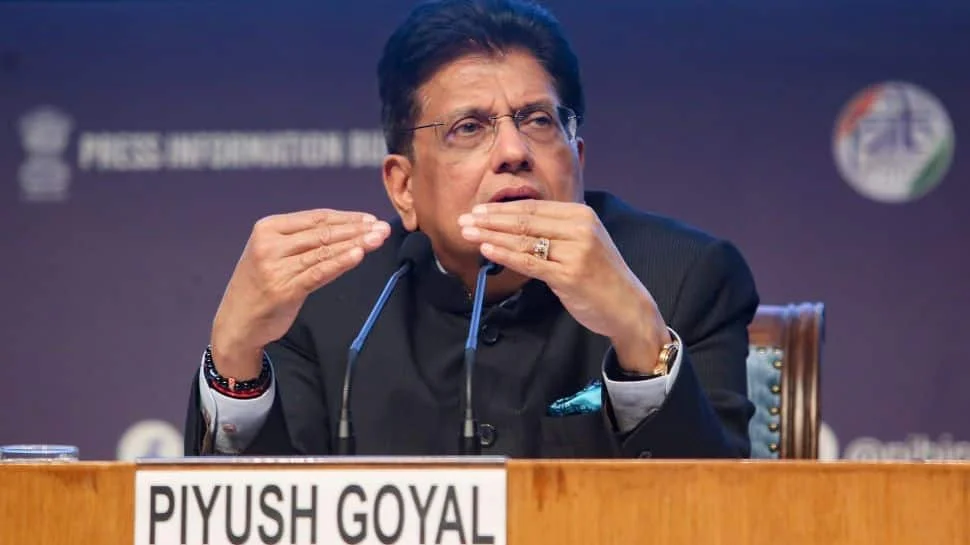
Union Commerce and Industry Minister Piyush Goyal has been a vocal proponent of the trade deal, repeatedly stating that sensitive sectors like agriculture and dairy have been fully protected. He has directly addressed allegations from Rahul Gandhi, calling them "baseless" and accusing the opposition leader of spreading lies.
Read More: New Income Tax Rules Drafted for 2026: Changes to PAN, Salary, and Property Rules
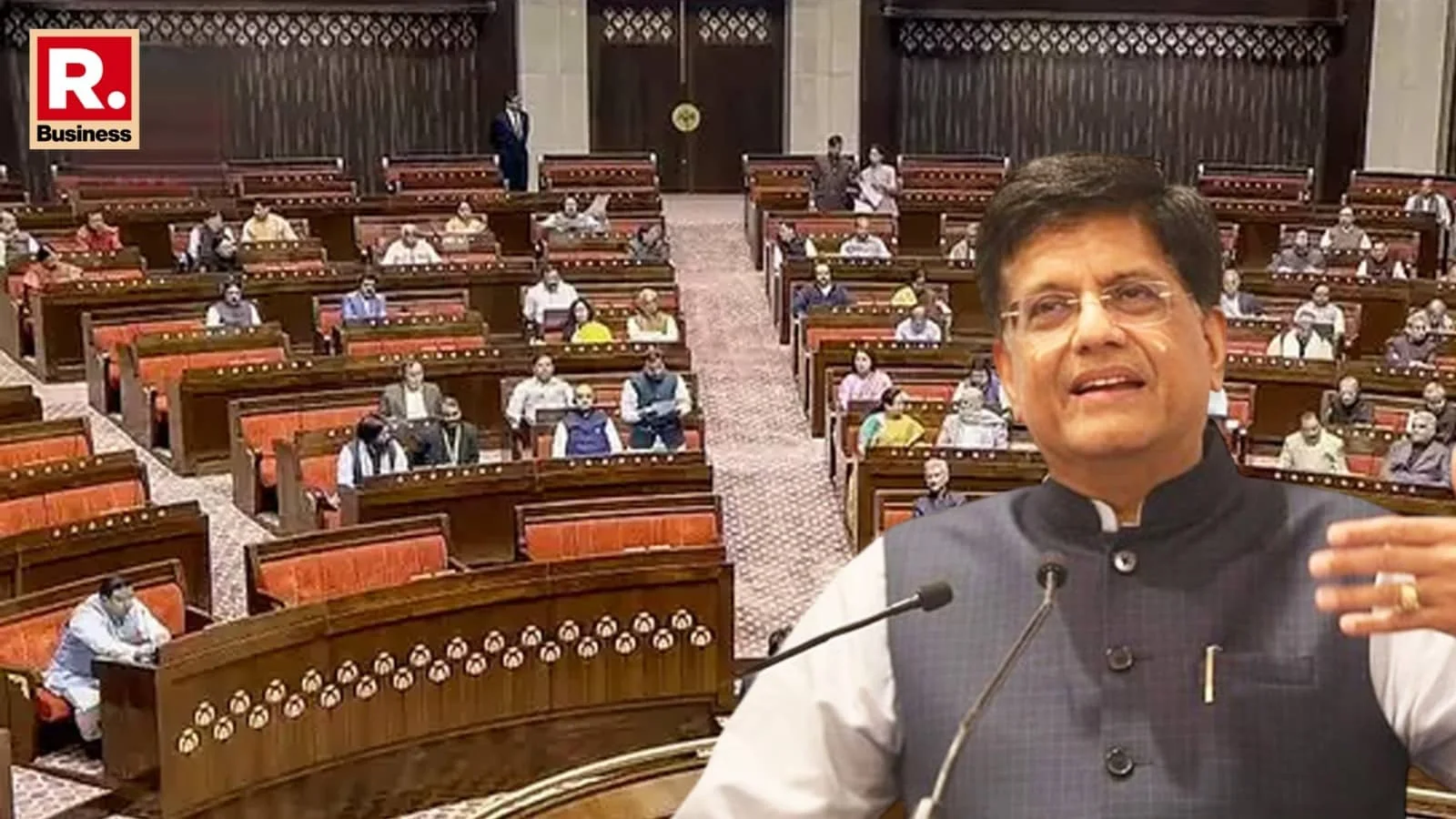
Market Access for Indian Goods: Goyal highlighted that the deal opens up significant markets for Indian products.
Large markets for cotton textile exports are expected to increase cotton demand, benefiting cotton farmers.
Products such as basmati rice, fruits, spices, tea, and marine products are anticipated to find new markets, leading to increased exports and higher farmer incomes.
Shielding Sensitive Sectors: The government has emphasized that India's doors have not been opened to US dairy or poultry products, a key concern for domestic producers. Strict guardrails are reportedly in place to shield these sensitive sectors from foreign competition.
Farmer Income Growth: Both Goyal and Agriculture Minister Shivraj Singh Chauhan have stated that the agreement will help Indian farmers and lead to growth in their incomes.
Alignment with National Goals: Goyal has framed the deal as a step towards Atmanirbhar Bharat (self-reliant India) and Make in India, aligning with the nation's long-term economic objectives.
Opposition Criticism and Government Rebuttals
Rahul Gandhi, a prominent opposition figure, has voiced strong concerns about the India-US trade deal. He alleges that the agreement is detrimental to farmers and misleads the public.
Read More: US Prices Rise Slower in Early 2026

Allegations of Compromise: Gandhi has claimed that the deal compromises the interests of farmers and misrepresents the reality of the negotiations.
Government's Counter-Attack:
Piyush Goyal has described Gandhi as a "habitual liar" and accused him of misleading farmers with a "fake narrative."
Shivraj Singh Chauhan echoed these sentiments, stating that Gandhi "does not like the empowerment of farmers" and has "broken all records of lying."
US Perspective on the Trade Arrangement
While the primary focus of the official statements has been on the protection of Indian interests, US officials have indicated that the agreement will lead to increased agricultural trade in both directions.
US Agricultural Purchases: Former US President Donald Trump stated that India committed to buying American goods, including agricultural products, at a higher level.
US Export Growth: US Agriculture Secretary Brooke Rollins noted that the deal would allow the US to export more farm products to India, potentially lifting prices and benefiting rural America.
Tariff Reductions: US Trade Representative Jamieson Greer indicated that India agreed to cut tariffs across various goods categories, including a variety of agricultural products.
Underlying Dynamics and Concerns
The trade negotiations between India and the US are complex, involving a delicate balance between opening markets and protecting domestic industries.
Read More: Mobile Passport Services Come to Tamil Nadu Law University
India's Negotiating Stance: Historically, New Delhi has sought to shield its agricultural and dairy sectors from imports when negotiating trade agreements, a strategy that appears to have been maintained in this instance, according to government statements.
US Trade Objectives: The US, on the other hand, has aimed to increase its agricultural exports to India and reduce trade imbalances.
Farmer Sensitivity: The agricultural sector is politically sensitive in India, with millions of small farmers and cooperatives reliant on government support and protection from cheap imports. Any perceived threat to their livelihood can lead to significant public and political backlash.
Conclusion and Next Steps
Government officials maintain a resolute stance that the India-US trade deal is a net positive for India, particularly for its farmers and key export sectors. Ministers Goyal and Chauhan have presented the agreement as a carefully negotiated outcome that safeguards national interests, enhances export opportunities, and aligns with economic development goals. The criticism from the opposition, primarily led by Rahul Gandhi, centers on an alleged compromise of farmer welfare, which the government has vehemently denied.
Read More: Vulcan Rocket Reaches Space Despite Booster Problem
The specific terms and concrete impacts of the tariff reductions and market access commitments remain subjects for further scrutiny as the agreement is finalized and implemented. Whether the projected benefits for Indian farmers materialize and how the increased trade dynamics will play out will be crucial in evaluating the long-term success of this trade arrangement.
Sources Used:
The Financial Express: https://www.financialexpress.com/india-news/us-deal-fully-protects-farmers-interests-piyush-goyal-defends-trade-pact-in-stern-message-against-rahul-gandhi/4141011/ - Provides details of Piyush Goyal's defense and accusations against Rahul Gandhi.
Fortune India: https://www.fortuneindia.com/economy/agri-minister-chauhan-defends-india-us-trade-deal-says-farmers-interests-fully-protected/130368 - Reports on Agriculture Minister Shivraj Singh Chauhan's assertion of farmer interests being protected.
The Indian Express: https://www.indianexpress.com/article/business/india-agri-dairy-interests-fully-protected-us-trade-deal-piyush-goyal-10511683/ - Details Piyush Goyal's statements on protecting agriculture and dairy, mentioning US perspectives on buying American goods.
Business Standard: https://www.business-standard.com/economy/news/piyush-goyal-slams-rahul-gandhi-over-us-deal-says-farmers-fully-protected-1260213000801.html - Focuses on Piyush Goyal's sharp attack on Rahul Gandhi and his claims about farmer protection and export increases.
Republic World: https://www.republicworld.com/business/farmers-interest-protected-piyush-goyal-says-india-us-trade-deals-major-step-towards-atmanirbhar-bharat - Presents Piyush Goyal's view of the deal as a step towards Atmanirbhar Bharat and national interest protection.
News18: https://www.news18.com/india/india-us-trade-deal-agriculture-dairy-farmers-protected-piyush-goyal-top-points-ws-l-9877289.html - Provides key points from Piyush Goyal regarding the protection of agriculture and dairy sectors and shielding sensitive farming areas.
Zee News: https://zeenews.india.com/india/agriculture-dairy-protected-in-india-us-trade-deal-piyush-goyal-3013479.html - Reports on Piyush Goyal's press briefing stating that agriculture and dairy sectors are protected and no US farm or dairy products are gaining market access.
Read More: Riyan Parag is New Rajasthan Royals Captain for First 3 Games


)


