New draft rules for income tax in 2026 are being considered, proposing significant shifts in how individuals handle their finances and report transactions. These changes aim to update existing regulations, potentially affecting salary components, the mandatory use of Permanent Account Number (PAN) cards for various dealings, and the reporting requirements for property transactions. The proposed rules are currently open for public feedback and are slated to take effect from April 1, 2026, if enacted.
Context of Proposed Changes
The draft rules, released by the Central government, are designed to bring the income tax framework up to date with current economic realities and financial practices. They address several areas, including:

Salary and Perquisites: Increases are proposed for tax-free allowances related to children's education, hostel stays, and employer-provided meals.
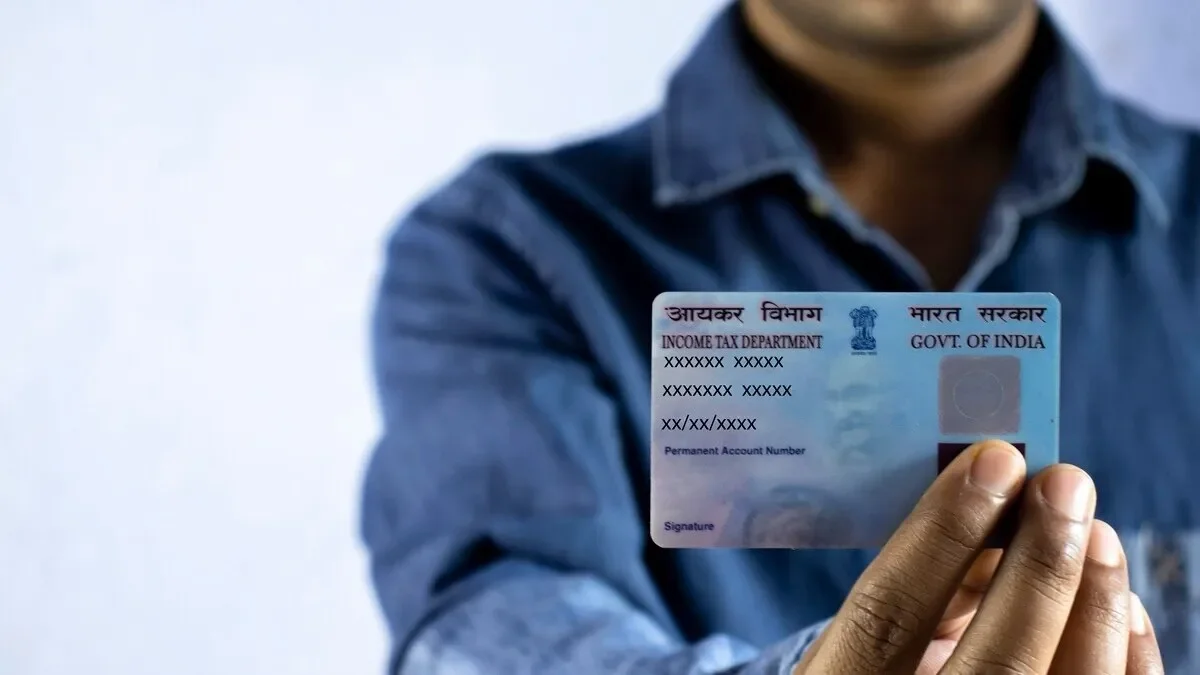
PAN Card Usage: The threshold for mandatory PAN disclosure in various transactions, such as cash deposits, property deals, vehicle purchases, and hotel bills, is being re-evaluated.
Property and High-Value Transactions: Rules surrounding the reporting of property sales, purchases, and other high-value transactions are being revised.
Digital Currency: The integration of Central Bank Digital Currency (CBDC) into tax compliance frameworks is noted.
Forms and Rules: A simplification of tax forms and a reduction in the total number of rules are part of the proposed changes.
Key Evidence and Proposed Adjustments
The draft rules outline specific modifications across several financial activities:
Changes to Allowances and Perquisites
Several allowances and perquisites are slated for increases to better reflect current living costs:

Gift Limit: The annual tax-free gift limit is proposed to rise from ₹5,000 to ₹15,000.
Hostel Expenditure Allowance: This allowance could increase from ₹300 per month per child to ₹9,000 per month per child.
Employer-Provided Meals: The tax-free value for employer-provided meals is proposed to go from ₹50 per meal to ₹200 per meal.
Company Car Perquisites: The taxable value for company cars is proposed to increase to ₹8,000 per month for cars up to 1.6 litres and ₹10,000 per month for cars above 1.6 litres.
Children's Education Allowance: The exemption is proposed to increase from ₹100 per month per child (for up to two children) to ₹3,000 per month per child.
Free or Concessional Education for Staff Children: For employees of educational institutions, the tax-free value of free or concessional education for their children could rise from ₹1,000 per month to ₹3,000 per month per child.
Interest-Free Loans from Employers: These are proposed to be tax-free up to ₹2 lakh, compared to the current exemption limit of ₹20,000.
Overhaul of PAN Requirements for Transactions
The draft rules propose significant adjustments to when a PAN card is mandatory, aiming to reduce compliance burdens for smaller transactions while maintaining oversight on larger ones.
Read More: Alaska 75% Tax on Nicotine Pouches Affects Smokers Quitting
Cash Deposits and Withdrawals:
Current Rule: PAN is required for cash deposits exceeding ₹50,000 in a single day.
Proposed Rule: PAN will be required for annual cash deposits or withdrawals of ₹10 lakh or more (aggregate in a financial year).
Hotel and Restaurant Bills:
Current Rule: PAN is required for hotel or restaurant bills exceeding ₹50,000.
Proposed Rule: PAN will not be required for hotel bills below ₹1 lakh.
Property Transactions:
Current Rule: PAN is required for property transactions exceeding ₹10 lakh.
Proposed Rule: PAN will be mandatory for the sale, purchase, gift, or joint development of immovable property where the cost or stamp valuation exceeds ₹20 lakh. For properties exceeding ₹45 lakh, individuals without PAN must apply for one.
Vehicle Purchases:
Current Rule: PAN was required for all vehicles except two-wheelers, without a specific value threshold.
Proposed Rule: PAN will be mandatory for the purchase of motor vehicles (including two-wheelers, excluding tractors) where the price exceeds ₹5 lakh.
Insurance Premiums:
Current Rule: PAN was required if the annual insurance premium exceeded ₹50,000.
Proposed Rule: PAN will be mandatory for all insurance premium payments, regardless of the amount, for establishing an account-based relationship with an insurance company. This aligns with recent changes concerning high-value Unit Linked Insurance Plans (ULIPs).
Other Notable Changes
High-Value Consumption: Cash payments exceeding ₹1 lakh to hotels, restaurants, banquet halls, or event managers will require PAN.
Information Sharing: Crypto exchanges are expected to share information with the tax department.
CBDC Integration: The Central Bank Digital Currency (CBDC) is to be accepted as a mode of electronic payment for tax purposes.
Rule and Form Simplification: The number of income tax rules is proposed to be reduced from 511 to 333, and the number of forms from 399 to 190.
Metro Cities for HRA: Bengaluru, Pune, Ahmedabad, and Hyderabad have been added to the list of metro cities for House Rent Allowance (HRA) purposes.
Expert Analysis and Potential Impact
These draft rules appear to signal a shift towards simplifying compliance for everyday, lower-value transactions while enhancing oversight on aggregate and high-value financial activities.
"The draft rules reflect a dual policy approach – easing compliance for routine, lower-value transactions while tightening oversight of high-value financial activity and cash usage."
The proposed changes in PAN reporting thresholds could ease the compliance burden for the "aam aadmi" (common person) by reducing paperwork for numerous small dealings. However, the mandatory PAN for all insurance premiums and the expanded reporting for aggregate cash transactions indicate a move towards greater transparency in financial flows. The integration of CBDC suggests a forward-looking approach to digital finance.
Conclusion and Next Steps
The draft Income Tax Rules for 2026 introduce a comprehensive set of proposed changes that could significantly alter tax compliance for individuals and businesses. The key revisions focus on:
Increased thresholds for PAN reporting in areas like cash deposits, withdrawals, property, and vehicle transactions, which could simplify daily financial management for many.
Mandatory PAN for all insurance premiums and expanded reporting for high-value cash movements, suggesting a focus on tracking significant financial activities.
Enhancements to tax-free allowances for salary-related benefits, aiming to provide relief to employees.
Modernization through CBDC integration and a streamlining of tax rules and forms.
These rules are currently open for public comment, indicating a period of review before finalization. If enacted, these changes are expected to become effective from April 1, 2026, aligning with the new Income Tax Act.
Read More: India IVF Costs And Social Barriers Limit Access In April 2026
Sources Used
Timesnownews.com: https://www.timesnownews.com/business-economy/economy/draft-income-tax-rules-2026-what-changes-for-your-salary-pan-property-deals-explained-article-153604322
News18.com: https://www.news18.com/business/tax/income-tax-draft-rules-2026-10-key-changes-that-will-affect-your-money-ws-l-9895581.html
CNBCTV18.com: https://www.cnbctv18.com/personal-finance/income-tax-rules-2026-draft-pan-hra-perquisite-changes-explained-19849059.htm
NDTVProfit.com: https://www.ndtvprofit.com/personal-finance/what-the-draft-income-tax-rules-2026-could-change-for-taxpayers-10997714
Economictimes.indiatimes.com: https://government.economictimes.indiatimes.com/news/economy/major-changes-to-pan-regulations-under-draft-income-tax-rules-2026/128213034
Livemint.com: https://www.livemint.com/money/personal-finance/draft-income-tax-rules-pan-no-more-compulsory-for-hotel-bills-below-1-lakh-cash-withdrawals-deposits-below-10-lakh-11770700193029.html
Businesstoday.in (Multiple articles):
https://www.businesstoday.in/personal-finance/news/story/draft-income-tax-rules-2026-may-increase-pan-threshold-what-it-means-for-you-your-bills-515335-2026-02-10
https://www.businesstoday.in/personal-finance/tax/story/draft-income-tax-rules-2026-signal-tighter-eligibility-and-digital-first-filing-for-itr-1-to-itr-7-515503-2026-02-10
https://www.businesstoday.in/personal-finance/tax/story/pan-compliance-overhaul-in-draft-tax-code-2026-5-key-changes-explained-for-taxpayers-515733-2026-02-11
https://www.businesstoday.in/bt-tv/market-today/video/big-changes-in-pan-threshold-explained-cash-property-car-insurance-under-draft-it-rules-2026-515483-2026-02-10
Dtxnext.in: https://www.dtnext.in/news/business/highlights-of-draft-income-tax-rules-2026
Observervoice.com: https://observervoice.com/understanding-the-draft-income-tax-rules-2026-key-insights-on-hra-and-pan-changes-for-tax-savings-183652/
Studyiq.com: https://www.studyiq.com/articles/draft-income-tax-rules-2026/
Moneycontrol.com: https://www.moneycontrol.com/news/business/personal-finance/key-pan-rule-changes-in-draft-income-tax-rules-that-may-affect-your-daily-transactions-13823882.html
Caclubindia.com: https://www.caclubindia.com/news/pan-quoting-threshold-limits-for-banking-property-cash-deals-under-draft-income-tax-rules-2026-26185.asp