The upcoming interim trade agreement between India and the United States is set to protect India's key sensitive sectors, particularly agriculture and dairy. While the deal aims to bolster India's labor-intensive exports to the US, the specific benefits and tariff adjustments are being closely watched.
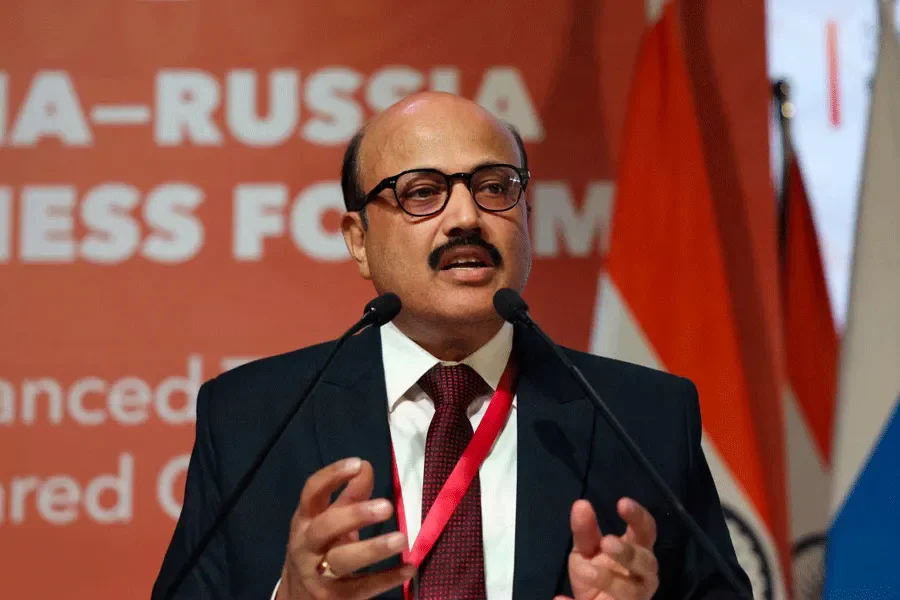
The negotiation and anticipated signing of an interim trade agreement between India and the United States represent a significant development in their economic relationship. This pact is expected to be finalized by March, with the first formal steps potentially occurring even sooner. Commerce Secretary Rajesh Agrawal has been a central figure in communicating the terms and anticipated outcomes of this agreement, emphasizing the protection afforded to India's sensitive agricultural and dairy industries. The agreement is also poised to provide an advantage to India's labor-intensive sectors in the competitive US market.
Read More: US May Add Tariffs on Australian Goods Due to Forced Labour

Core Information
An interim trade agreement between India and the US is expected to be signed by March.
Key sensitive sectors in India, especially agriculture and dairy, will be protected from import duty concessions.
The agreement aims to benefit India's labor-intensive industries by offering an edge over competitor nations in the US market.
Reciprocal tariff reductions are part of the deal, with India's tariffs expected to decrease.
Protected Sectors and Tariff Adjustments
A primary focus of the interim trade agreement is the safeguarding of India's sensitive economic areas. The Commerce Secretary has explicitly stated that India's agricultural and dairy products, which are vital for the livelihoods of small and marginal farmers, will not be subject to import duty concessions for the US. This mirrors India's approach in previous Free Trade Agreements (FTAs), where such sensitive goods have consistently been excluded from duty reductions.
Products fully protected include: maize, wheat, rice, soya, poultry, milk, cheese, ethanol (fuel), tobacco, certain vegetables, and meat.
This ensures these sectors can "grow unhindered."
In contrast, under the agreement, reciprocal tariffs on India are slated to be reduced to 18 percent. This is notably lower than the tariffs China (35 percent) and Vietnam (20 percent) face in the US market.
Benefits for Labor-Intensive Industries
Beyond the protection of sensitive sectors, the interim agreement is designed to enhance the competitiveness of India's labor-intensive industries. These are sectors where India holds a significant competitive advantage due to its skilled workforce and production capabilities. The US has historically been a strong market for these Indian exports.
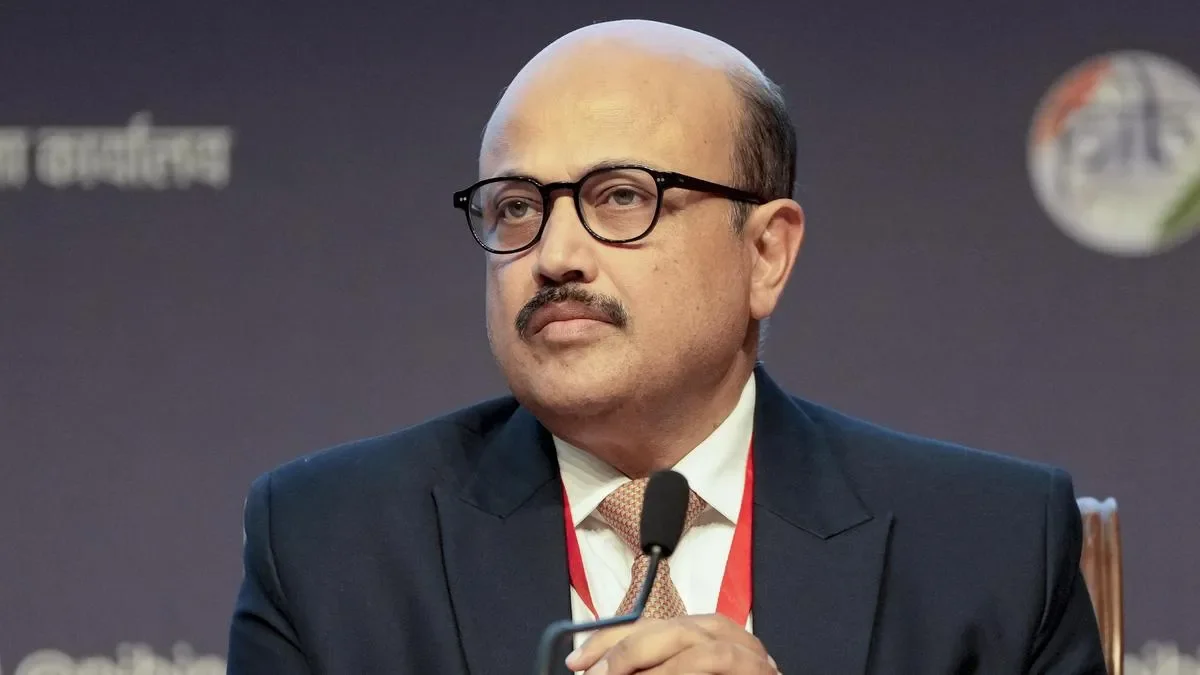
The pact is expected to provide an "advantage back to our labour-intensive sector."
Indian exporters in these industries may gain an edge over competitors from nations facing higher tariffs in the US.
This framework agreement is viewed as beneficial for India's exports.
Timeline and Implementation
The signing of the interim trade agreement is anticipated by March. However, the process involves distinct stages, with a formal signing of a joint statement expected to set the operational timeline in motion.
Read More: India IVF Costs And Social Barriers Limit Access In April 2026
The first tranche of the agreement could be formalized as early as mid-March.
Reduced tariffs would be enacted via a US executive order, expected shortly after the joint statement is signed.
This marks India's ninth trade deal in the last five years, with the US being its largest export destination.
Notably, the first phase of this partnership is not expected to include any investment commitments.
Reciprocal Tariff Landscape
The agreement outlines a system of reciprocal tariff reductions, with specific figures indicating the shifts in trade policy. While India shields its sensitive sectors, it agrees to lower certain tariffs.
| Country | India's Tariffs in US Market |
|---|---|
| India | 18 percent |
| China | 35 percent |
| Vietnam | 20 percent |
This tiered tariff structure positions India favorably compared to major trading partners like China and Vietnam within the US market.
The US previously imposed tariffs on Indian exports, including a 25 percent duty on Indian purchases of Russian oil, adding a layer of complexity to these trade negotiations.
Expert Analysis
Sunil S. Alagh, former Union Minister of State for Power, commenting on trade pacts in general, noted: "Trade agreements are always a delicate balancing act. The focus should always be on how to create value for the country and its people. If sensitive sectors are protected and export potential is enhanced, it can be a win-win situation."
Dr. Arun Singh, former Ambassador to the US, has previously stated on trade relations: "For any trade agreement to be successful, there must be a clear understanding of mutual benefits and a robust mechanism for dispute resolution. The US market is crucial for Indian exports, and an agreement that unlocks this potential while safeguarding domestic interests is vital."
Read More: US Adds 12.5% Tariff on Indian Goods for Labor Law Failures
Conclusion and Implications
The interim trade agreement between India and the US appears to be structured to achieve a dual objective: protecting India's vulnerable agricultural and dairy sectors while simultaneously boosting its competitive position in labor-intensive export markets within the United States. The timeline for signing by March indicates an expedited process.
The protection of sensitive agricultural and dairy products suggests a deliberate strategy to prevent disruption to domestic farming.
The anticipated reduction in reciprocal tariffs for India, coupled with the higher rates for competing nations like China and Vietnam, could indeed provide a tangible advantage for Indian businesses.
The explicit mention that the initial phase will not involve investment commitments indicates a phased approach to the overall trade relationship.
The operationalization through a US executive order highlights the procedural steps required for the agreement's practical implementation.
The successful signing and implementation of this agreement could signal a period of enhanced economic cooperation, with potential benefits for Indian exporters and a more stable trade environment.
Sources Used
The Economic Times: India-US trade pact protects key sensitive sectors: Commerce Secretary - Published 4 hours ago - https://economictimes.indiatimes.com/news/economy/foreign-trade/india-us-trade-pact-protects-all-key-sensitive-sectors-commerce-secretary/articleshow/128193337.cms
Context: This article details the protection of sensitive sectors, particularly agriculture and dairy, within the India-US interim trade pact, as communicated by the Commerce Secretary. It also provides comparative tariff rates.
Zee News: India-US interim trade agreement expected to be signed by March: Commerce Secretary - Published 14 minutes ago - https://zeenews.india.com/economy/india-us-interim-trade-agreement-expected-to-be-signed-by-march-commerce-secretary-3015959.html
Context: This report focuses on the timeline for the interim agreement, highlighting the Commerce Secretary's cautious optimism and the anticipated benefits for India's labor-intensive industries.
The Hindu: All key sensitive sectors protected under India-U.S. Interim trade pact: Commerce Secretary - Published 5 hours ago - https://www.thehindu.com/news/national/all-key-sensitive-sectors-protected-under-india-us-interim-trade-pact-commerce-secretary/article70618500.ece
Context: This article provides specific details on the agricultural and dairy products that are protected under the interim pact and elaborates on the advantages for labor-intensive sectors compared to competitor nations.
The Telegraph (India): India protected all sensitive sectors in interim trade pact with US: Commerce secretary - Published 11 hours ago - https://www.telegraphindia.com/business/india-protected-all-sensitive-sectors-in-interim-trade-pact-with-us-says-commerce-secretary-rajesh-agrawal/cid/2146841
Context: This report reiterates the protection of sensitive sectors and discusses the comparative tariff rates for India, China, and Vietnam, quoting Commerce Secretary Rajesh Agrawal.
Business Standard: India, US to sign first tranche of formal trade agreement by mid-March - Published 6 days ago - https://www.business-standard.com/economy/news/india-us-to-sign-first-tranche-of-formal-trade-agreement-by-mid-march-1260205007541.html
Context: This article focuses on the timeline for the formal signing of the trade agreement and mentions that the US is India's largest export destination, framing this as India's ninth trade deal in five years.
The Hindu BusinessLine: India-US trade pact timeline set; first tranche in 4-5 days - Published 6 days ago - https://www.thehindubusinessline.com/news/goyal-sets-mid-march-timeline-for-india-us-trade-pact/article70595887.ece
Context: This report details the establishment of a definitive timeline for the bilateral trade agreement with the US, mentioning that reduced tariffs will be operationalized through a US executive order and that the first tranche will not include investment commitments.