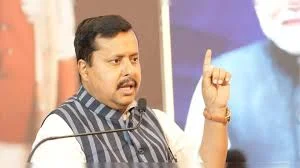
Government Reassures Public on Farmer Protections in US Trade Agreement
Recent statements from ruling party officials assert that the newly formed trade agreement between India and the United States prioritizes and safeguards the interests of Indian farmers and workers. These assurances come as the pact faces ongoing discussions regarding its broader effects, with opposition parties and some farmer groups raising concerns about potential impacts on domestic agriculture. The government maintains that national interests have been upheld in the negotiations.
Context: Negotiation and Public Statements
The India-US trade agreement has been a subject of public discussion following its announcement. Key figures from the Bharatiya Janata Party (BJP), including its national president and union ministers, have actively engaged in explaining the deal's perceived benefits to the Indian populace.

Timeline of Statements:
Recent days: BJP leaders like JP Nadda and Piyush Goyal have made public statements about the trade deal.
November 14, 2025: A CNBC report suggested that the outcome of elections in Bihar, a significant agricultural state, might influence the finalization of the trade deal, with potential farm-related concessions from India being a key US demand.
Previous Trade Agreements: BJP spokesperson Dr. Sudhanshu Trivedi referenced past trade deals with countries like Australia, the UK, and the EU, stating that India's farmers' interests were consistently protected in those negotiations.
Key Actors:
Bharatiya Janata Party (BJP): The ruling political party in India, whose leaders have been vocal in defending the trade deal.
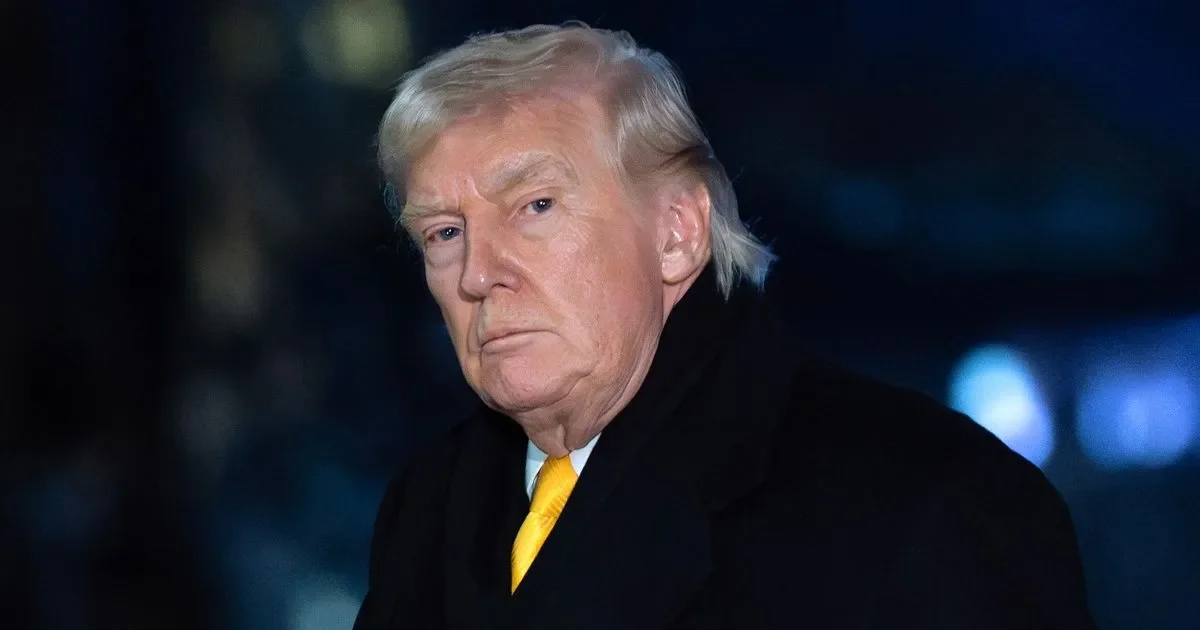
Prime Minister Narendra Modi: His relationship with US President Donald Trump has been highlighted as instrumental in securing favorable terms.
Union Minister Piyush Goyal: Has praised the deal, calling it the "best deal" for India and asserting that national interests were kept supreme.
Union Agriculture Minister Shivraj Singh Chouhan: Denied claims of genetically modified imports or farm concessions in the interim deal.
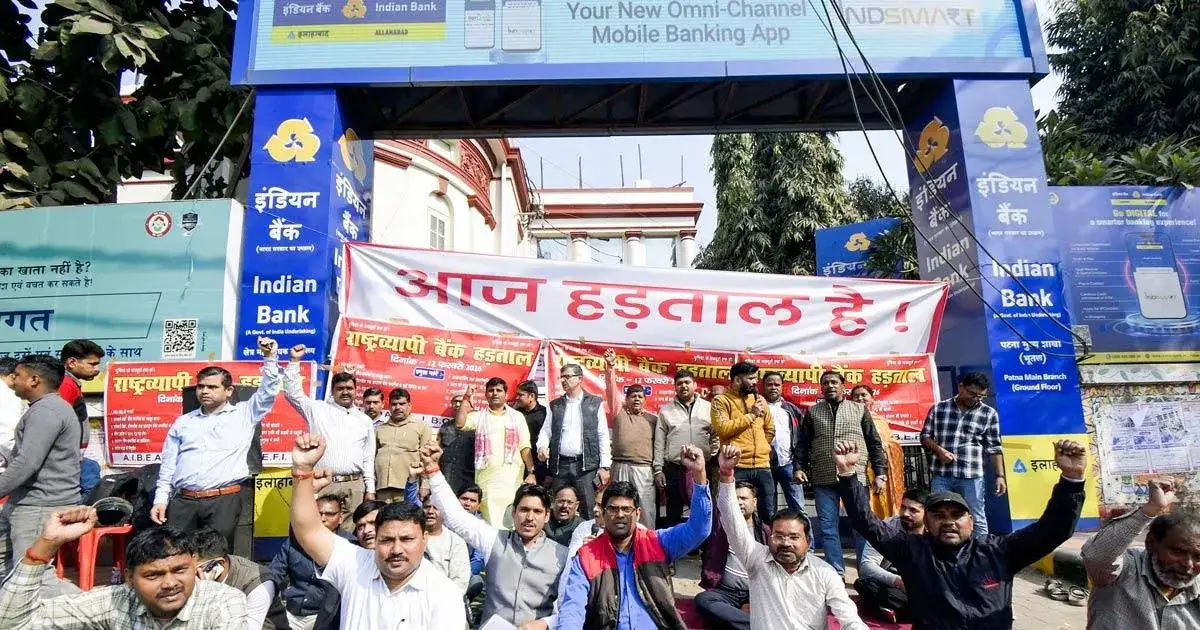
Opposition Parties and Farmer Groups: Have expressed skepticism, calling for transparency and raising concerns about fair competition and the impact of tariff reductions.
Evidence Presented by Government Officials
Government representatives have offered specific points to substantiate their claims that the trade deal protects Indian agricultural and labor interests.
Read More: Indian Shooter Aishwary Pratap Singh Tomar Wins Gold
Assurances on Specific Sectors:
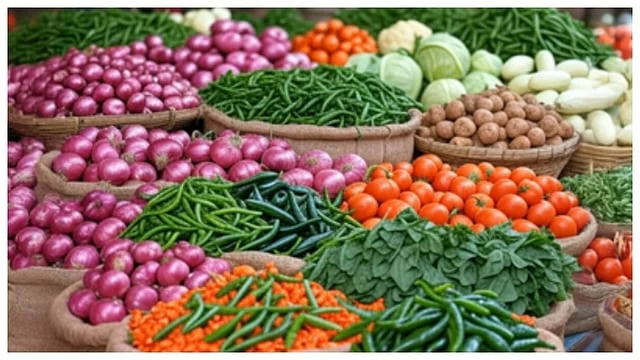
Union Agriculture Minister Shivraj Singh Chouhan stated that the interim trade deal does not include sensitive crops, dairy, meat, and grain products and specifically excludes provisions for genetically modified (GM) imports.
Minister Chouhan further asserted that no provision will harm domestic farmers or compromise the purity of Indian agriculture.
Quotas and Duty Concessions:
Piyush Goyal mentioned quota-based duty concessions on apples from the US, emphasizing that farmers remain fully protected.
Overall Negotiation Stance:
BJP spokesperson Dr. Sudhanshu Trivedi highlighted that India's approach to trade deals consistently prioritizes the agricultural sector.
Piyush Goyal described the deal as leveraging Prime Minister Modi's relationship with President Trump to achieve terms that are superior compared to agreements with neighboring or competing nations.
Goyal also stated that the agreement unlocks opportunities for farmers, MSMEs, entrepreneurs, and skilled workers under initiatives like 'Make in India'.
Perspectives on Farmer Protection
Government's Position:BJP leaders have consistently maintained that the trade agreement is designed to benefit India, with specific emphasis on protecting its agricultural base. They argue that Prime Minister Modi's leadership and his personal rapport with US leadership were key to achieving this. The statements suggest a deliberate strategy to shield Indian farmers from negative impacts while potentially opening new markets.
Read More: ICE Agents Arrested After Claims of Bad Behavior and Crime

Claims of Protection:
Prime Minister Modi's party's electoral success, particularly in farm-producing states like Bihar, has been linked to his emphasis on farmers' welfare, suggesting that the trade deal aligns with this focus.
Piyush Goyal has lauded the agreement as a major achievement, underscoring that the government "never compromised" and kept national interest supreme.
Concerns Raised by Critics:Despite the government's assurances, certain political groups and farmer organizations have voiced reservations about the implications of the trade deal.
Arguments Against the Deal:
Opposition parties have argued that the pact could expose Indian agriculture to unfair competition.
Farmer groups have specifically pointed to concerns regarding tariff reductions on certain imports and their potential negative effect on local markets.
The issue of transparency surrounding the deal's terms has also been raised.
Economic and Political Implications
The trade deal has generated positive reactions in financial markets, with the Sensex soaring and the Indian Rupee strengthening following its announcement. This economic buoyancy is seen by some as a validation of the agreement.
Read More: India Says US Trade Paper Changes Match What Was Agreed

Market Reaction:
The Dalal Street cheered the India-US trade deal, with the Sensex rising significantly.
The Indian Rupee opened sharply higher against the US Dollar.
Political Context:
The timing of the deal, following electoral outcomes in states like Bihar, suggests a potential political calculation to bolster the ruling party's image among agricultural communities.
Prime Minister Modi was reportedly felicitated at an NDA Parliamentary meet for the announcement of the trade deal, indicating its significance within the ruling coalition.
Expert Analysis and Diverse Viewpoints
Analysis of the India-US trade deal reveals a divergence of perspectives on its ultimate impact on Indian farmers. While government officials emphasize protective clauses and strategic advantages, external observers and opposition voices highlight potential vulnerabilities.
Scholarly Insights:
Amitendu Palit, a senior research fellow, suggested that a concluded trade deal would likely involve the purchase of more agricultural products from the US, indicating a potential shift in trade dynamics.
Divergent Interpretations:
The government's narrative focuses on "safeguarding interests" and "no saudebaazi" (no unfair bargaining), as stated by Union Minister Shivraj Singh Chouhan.
Conversely, the broader implications are still being discussed, and some segments of the population express apprehension about the deal's effect on domestic producers.
Conclusion and Outstanding Questions
The government, through its prominent leaders, has presented the India-US trade agreement as a victory that carefully protects the interests of Indian farmers and workers. Official statements assert that sensitive agricultural products are excluded, GM imports are barred, and any concessions are managed through quotas that do not harm domestic producers. This narrative suggests a strategic negotiation aimed at balancing international trade objectives with national agricultural stability.
Read More: New Law Stops Government Payments to People Who Have Died

However, this official account is met with skepticism from opposition parties and some farmer groups, who voice concerns about potential unfair competition and the impact of import tariff reductions. The assertion by government officials that the deal represents the "best deal India has received" is contrasted with calls for greater transparency regarding the agreement's full terms.
The situation presents a dichotomy: a government confidently projecting a deal that upholds national agricultural integrity, and a segment of the public and political spectrum expressing doubt and demanding further clarity. Whether the specific safeguards highlighted by the government will effectively mitigate the concerns raised by critics remains a central point of ongoing scrutiny.
Sources
Business Standard: Reports on BJP chief's statements about farmer and worker interests in the India-US trade deal.
Deccan Herald: Details BJP spokesperson Dr. Sudhanshu Trivedi's defense of the trade agreement, asserting the safeguarding of Indian farmers' interests.
India Today: Covers Union Agriculture Minister Shivraj Singh Chouhan's dismissal of claims about concessions and GM imports in the India-US interim trade deal.
CNBC: Analyzes the potential influence of election results in a key farm state (Bihar) on the finalization of the India-US trade deal, particularly concerning farm-related concessions.
News18: Reports Union Minister Piyush Goyal's statements on the India-US trade deal, emphasizing the government's commitment to national interest and PM Modi's relationship with President Trump.
Bhaskar English: Explores the potential impact of the PM protecting farmers' interests amidst US pressure on BJP's electoral prospects and Modi's focus on farmers.
The Daily Jagran: Features Piyush Goyal hailing the India-US trade agreement, describing it as the best deal compared to neighboring countries and stating that agriculture and dairy sectors' interests are protected.
Read More: India's January Inflation Rate is 2.75% with New Measuring System