The Trophy Gleams, But What's Beneath the Shine?
India's young cricketers have once again hoisted the U19 World Cup, a feat celebrated across the nation. The headlines scream of individual brilliance – Vaibhav Sooryavanshi's record-shattering century, Aaron George's elegant hundreds, and the steely resolve of Ayush Mhatre. Yet, as the confetti settles, a critical eye must be cast upon the journey, the context, and the whispers that linger. Were these victories built on pure talent, or were there other forces at play? This report delves into the performance of India's U19 stars, scrutinizing the narratives presented and probing the less-discussed aspects of their triumphant campaign.
A Legacy of Young Champions: India's U19 Dominance
India has a storied history in the U19 Cricket World Cup, often producing future cricketing giants. This latest victory marks another chapter in that legacy.
Read More: Italy Beats Nepal in T20 World Cup Match
Previous Successes: India has won the U19 World Cup a record four times (2000, 2008, 2012, 2018), showcasing a consistent ability to unearth and nurture young talent.
Recurring Themes: Each victory often features standout individual performances that capture national attention, much like Sooryavanshi and George have this year.
The consistent success begs the question: What is India doing right in its youth development that other nations struggle to replicate? Is it the sheer volume of talent, a superior coaching infrastructure, or something more systemic?
The Pillars of Victory: Spotlight on Key Performers
The U19 World Cup final victory was undeniably built on the backs of exceptional individual performances. Reports highlight a few key players whose contributions were instrumental.
Vaibhav Sooryavanshi: The Young Phenom
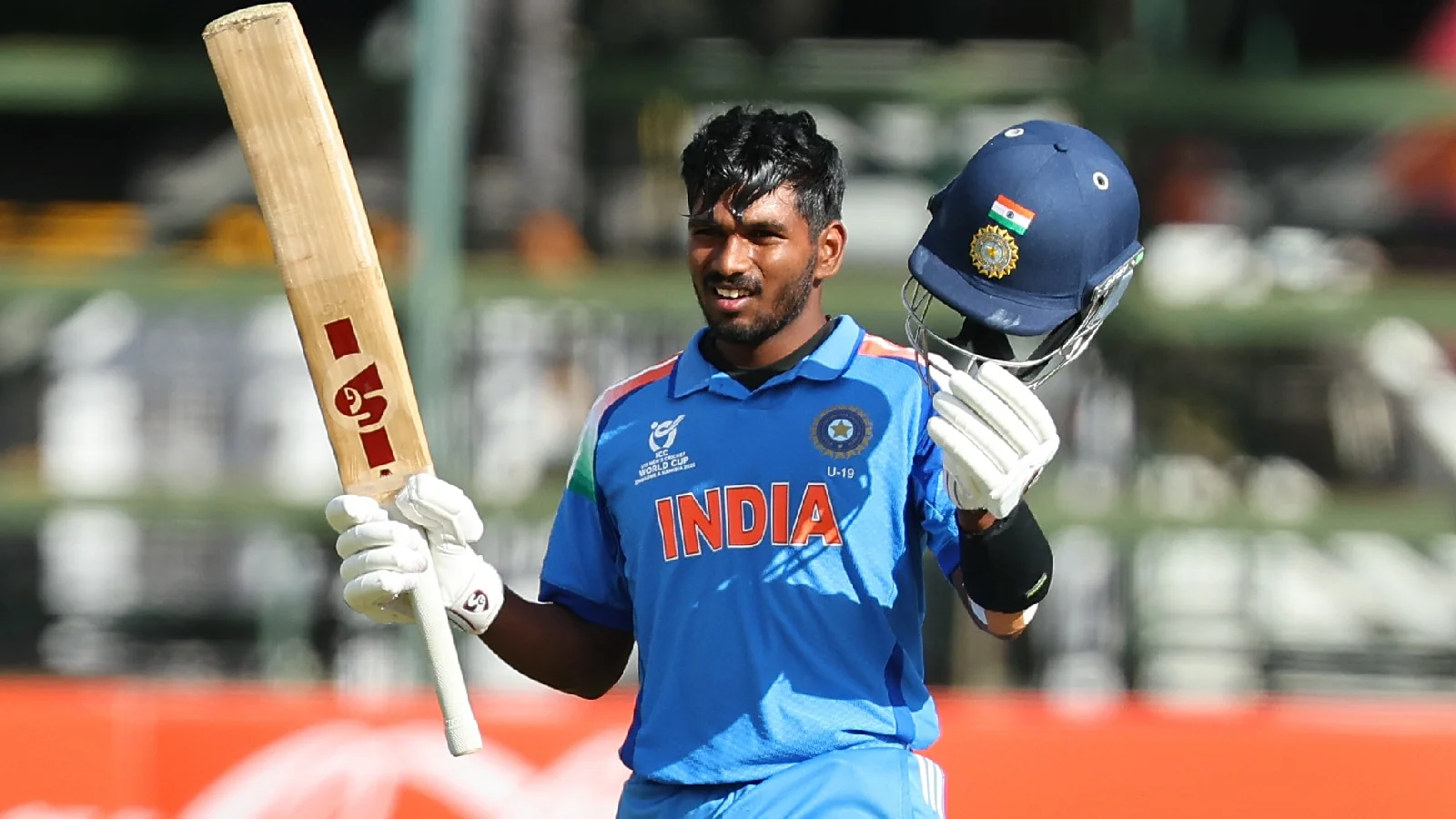
The 14-year-old Vaibhav Sooryavanshi has become the undeniable sensation of this tournament. His performances have shattered existing records, drawing comparisons to some of the game's greats at a similar age.
Read More: Indian Shooter Aishwary Pratap Singh Tomar Wins Gold
Record-Breaking Century: In the final against England, Sooryavanshi smashed an astonishing 175 off just 80 balls. This knock alone surpassed Unmukt Chand's 2012 final record of 111*. (ICC-Cricket.com)
Most Sixes Record: He also broke Dewald Brevis's record for the most sixes in a single U19 World Cup edition. (ICC-Cricket.com)
Rapid Scoring: His century against England came off a mere 55 balls in one instance, and another report notes a hundred off 95 balls against Afghanistan, showcasing his ability to score quickly under pressure. (ESPNcricinfo.com, EconomicTimes.indiatimes.com)
Aggressive Style: Described as having a "blistering start" and batting with "aggressive flair," Sooryavanshi has provided India with dream starts. (IndianExpress.com, NewsDrum.in)
His age and the scale of his achievements are remarkable. How does a 14-year-old handle such immense pressure and perform at such a high level on the world stage? What kind of support system is in place to manage his development and well-being?
Aaron George: The Steadfast Leader
Captain Aaron George has provided crucial stability and match-winning performances throughout the tournament. His century in the semi-final against Afghanistan was pivotal in their record chase.
Read More: India vs Pakistan Match in T20 World Cup 2026 Will Happen
Semi-Final Heroics: George scored 115 off 104 balls to anchor India's chase of 310 against Afghanistan, a target they successfully overhauled. (Olympics.com, NewIndianExpress.com)
Consistent Contributions: He reached his century in 95 balls against Afghanistan, displaying composure and class. (EconomicTimes.indiatimes.com)
Partnerships: George was instrumental in key partnerships, including a 114-run stand with Ayush Mhatre and a 96-run stand with Vihaan Malhotra in the semi-final. (Olympics.com)
His leadership qualities and ability to deliver under pressure are evident. What role did he play in motivating his teammates, particularly younger players like Sooryavanshi? How did he navigate the tactical challenges presented by strong opposition like Afghanistan?
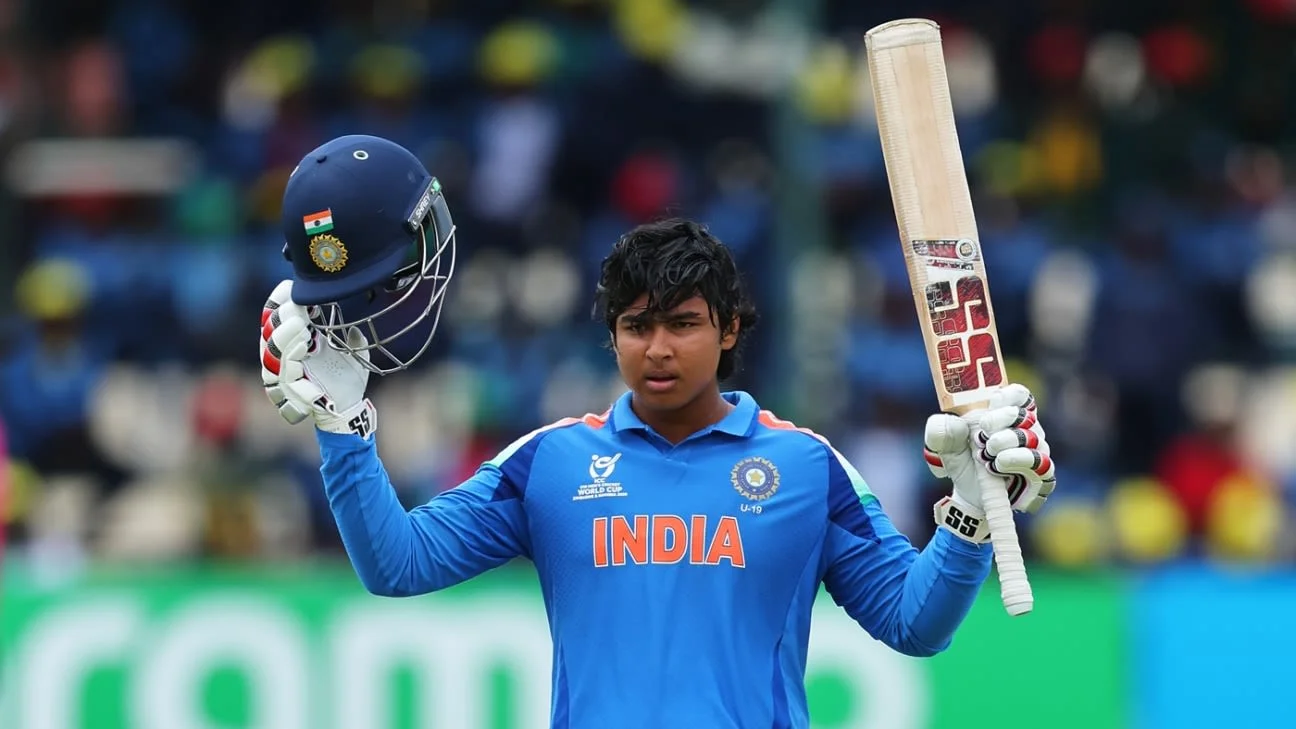
Ayush Mhatre: The Understated Force
While Sooryavanshi and George often grab the headlines, Ayush Mhatre's contributions, particularly his captaincy and middle-order stability, are critical.
Crucial Half-Centuries: Mhatre played significant innings such as 62 off 59 balls in the semi-final against Afghanistan, supporting George in a vital partnership. (Olympics.com, India.com)
Lower-Order Impact: His ability to contribute with the bat when needed, as seen with a crucial 29 against Pakistan, underscores his value. (NewsDrum.in)
Leadership Role: As captain, Mhatre provides on-field direction and emotional stability for the young squad. (NewIndianExpress.com mentions his leadership role).
Read More: India Says US Trade Paper Changes Match What Was Agreed
What were the specific tactical instructions given by Mhatre during tense moments? How did he manage the diverse personalities and playing styles within the U19 squad?
R.S. Ambrish: The All-Rounder's Resilience
R.S. Ambrish proved to be a valuable all-rounder, contributing with both bat and ball, often in high-pressure situations.
Bowling Prowess: He delivered crucial bowling spells, including figures of 3/56 in the final and 2/64 in the semi-final. (NewsDrum.in)
Match-Winning Knock: He played a pivotal role with the bat, scoring 115 under pressure against New Zealand and taking 4/29 in the same match. (NewsDrum.in)
How did Ambrish balance his dual role as a bowler and a batsman throughout the tournament? What was his mental preparation for such demanding, match-defining performances?

Unpacking the Opposition: Afghanistan's Challenge and India's Response
The semi-final against Afghanistan presented India with their toughest test, forcing them to achieve a record run-chase. This match, in particular, raises several questions.
Read More: Babar Azam's Father Speaks Out, Causes Debate Among Cricket Stars
Afghanistan's Score: Afghanistan posted a formidable 310/4 batting first, thanks to centuries from Faisal Shinozada (110 off 93 balls) and Uzairullah Niazai (101 off 86 balls). (Olympics.com, IndianExpress.com)
Record Chase: India successfully chased down 311 runs, marking their highest-ever chase in U19 World Cup history. (India.com, NewIndianExpress.com)
Dropped Catches: Crucially, both Aaron George and Afghanistan's Uzairullah were dropped when they were on low scores (20 and 22 respectively). (IndianExpress.com)
Did the dropped catches significantly alter the course of the match? While George's century was exceptional, how much did that dropped chance at the beginning of his innings contribute to India's eventual success? Conversely, how did Afghanistan's inability to capitalize on their strong batting performance, despite the crucial dropped catches, impact their psychological state? Were there any communication breakdowns or lapses in fielding concentration for Afghanistan that allowed India to seize momentum?
Read More: India's January Inflation Rate is 2.75% with New Measuring System
| Player | Score | Balls | Opposition | Significance |
|---|---|---|---|---|
| Aaron George | 115 | 104 | Afghanistan | Anchored record chase, dropped on 20. |
| Vaibhav Sooryavanshi | 68 | 33 | Afghanistan | Provided explosive start, supported chase. |
| Ayush Mhatre | 62 | 59 | Afghanistan | Key partnership with George, stabilized chase. |
| Faisal Shinozada | 110 | 93 | India | Spearheaded Afghanistan's massive total. |
| Uzairullah Niazai | 101 | 86 | India | Supported Shinozada, partnership builder. |
Table: Key performances in the U19 World Cup Semi-Final vs. Afghanistan
This match highlights the fine margins in international cricket. How much did the psychological impact of chasing such a massive total affect the Indian team? Conversely, how did the pressure of defending such a large score weigh on the Afghan bowlers and fielders, especially after dropping key batsmen?

The Age Factor: A Persistent Question
The age of Vaibhav Sooryavanshi being 14 years old has raised eyebrows. While the ICC U19 World Cup is for players under 19, such young prodigies entering the spotlight prompt important discussions.
Developmental Stage: At 14, players are still in crucial stages of physical and mental development. (General knowledge about child development)
Pressure and Scrutiny: The immense pressure and media attention accompanying a World Cup performance can be overwhelming for any athlete, let alone a teenager.
Comparison to Professional Leagues: This raises questions about the appropriateness of young players competing in high-stakes international tournaments, even at the junior level.
Read More: England Captain Says "Thank God" After Losing to West Indies
Are there concerns that such early exposure to intense competition might hinder long-term development or lead to burnout? What measures are in place to protect these young athletes from undue stress and ensure their cricketing journeys are sustainable? Should there be stricter age verification processes or different pathways for exceptionally young talents?
The Bigger Picture: India's Cricket Ecosystem
India's consistent success at the U19 level is a testament to a robust cricket ecosystem. However, it also warrants deeper investigation into what drives this perpetual talent pipeline.
Domestic Structure: The Board of Control for Cricket in India (BCCI) invests heavily in domestic age-group tournaments, providing a breeding ground for talent. (General knowledge of BCCI operations)
Coaching and Academies: A vast network of cricket academies and qualified coaches across the country identifies and refines young talent.
IPL Influence: The Indian Premier League (IPL) provides a platform for emerging players to gain exposure and experience alongside international stars, even at a young age.
Read More: Nationwide Strike Had Small Effect in Most Places
How does the BCCI's structure specifically nurture players like Sooryavanshi and George? Are there any regional disparities in talent identification and development within India? Beyond the glamour, are the grassroots programs sufficiently funded and accessible to all aspiring young cricketers, or is there a risk of talent being overlooked due to socio-economic factors?
Conclusion: More Than Just a Win
India's U19 World Cup victory is a remarkable achievement, underscoring the nation's cricketing prowess. The performances of Vaibhav Sooryavanshi, Aaron George, and the entire squad deserve commendation.
However, as critical observers, we must look beyond the celebratory headlines. The tournament provided glimpses of extraordinary talent, but also raised pertinent questions about player welfare, the pressures of elite junior sport, and the sustainability of such high-level performance from very young individuals.
The record-breaking feats are inspiring, but they also demand a closer examination of the pathways these young athletes tread. The dropped catches in the semi-final, the prodigious age of certain stars, and the sheer dominance of India's youth system all invite further inquiry.
Moving forward, it is imperative that:
Player Welfare: The long-term physical and mental well-being of these young cricketers is prioritized above all else.
Talent Development: The systems that identify and nurture talent are scrutinized for equity and effectiveness.
Performance Analysis: Instances like the Afghanistan semi-final are analyzed not just for the win, but for the fine margins and external factors that influenced the outcome.
India has once again proven its dominance in the U19 arena. The challenge now is to ensure this success is built on a foundation that prioritizes the holistic development of its young champions, asking the tough questions that will shape the future of cricket, both in India and globally.
Sources
From fiery Sooryavanshi to dogged Mhatre and formidable George, India U19 team tops the world again (Published: 17 minutes ago)
U19 World Cup: Aaron's classy hundred carries India to final (Published: 2 days ago)
U19 World Cup: Aaron George’s century, Vaibhav Sooryavanshi’s blistering start power India into final after record run-chase (Published: 2 days ago)
Sooryavanshi sets new U19 World Cup final record with blistering century \| ICC Under-19 Cricket World Cup, 2026 \| ICC (Published: 19 hours ago)
U19 World Cup 2026: Vaibhav Suryavanshi, Aaron George shatter records as Team India march into 10th final (Published: 2 days ago)
Baby-faced bruiser Sooryavanshi floors England and the world (Published: 12 hours ago)
IND vs AFG, U19 World Cup 2026: Aaron George century helps India down Afghanistan in semi-final (Seen on: Bing)
India storm into Under-19 World Cup final after chasing down 311 against Afghanistan (Published: 2 days ago)
U19 World Cup: Aaron George’s hundred powers India into final (Status: Low Priority, Extraction failed or content too short)

)