

Enforcement Lapses Prompt Government Review
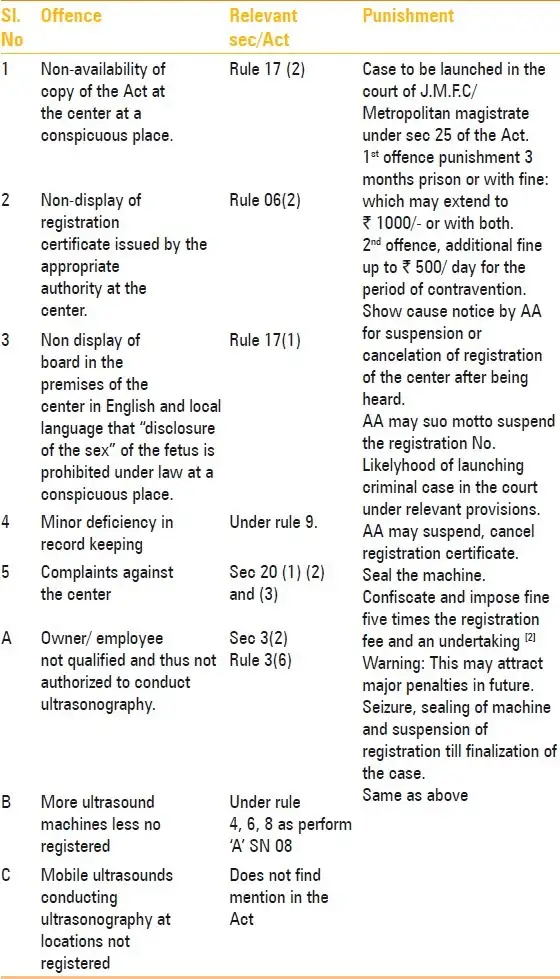
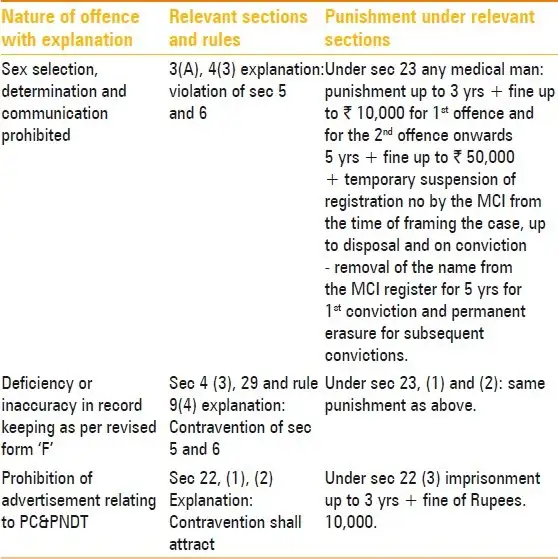
The government has initiated a review of the 'Pre-Conception and Pre-Natal Diagnostic Techniques (PCPNDT) Act, 1994,' a piece of legislation intended to curb female foeticide. This review comes as challenges emerge with the proliferation of mobile scanning units and increased access to medicines for pregnancy termination up to 24 weeks. Public health and legal officials have pointed to persistent difficulties in effectively enforcing the Act.
Recent developments highlight these struggles. In Karnataka, the Minister for Health and Family Welfare, Dinesh Gundu Rao, indicated that the registration of pregnant women, previously done at 12 weeks, is now being recorded at 10 weeks, suggesting an attempt to tighten procedures. He also noted that while ₹1 lakh prizes have been awarded to individuals for providing information on violations, and 70 cases are currently in courts with fines levied in 80 instances, the overall impact remains a subject of scrutiny. Reports indicate that FIRs have been filed against three doctors and five nurses.
Read More: Karnataka High Court Stops Criminal Case for Broken Relationship
Supreme Court Demands Justification for Enforcement Deficiencies
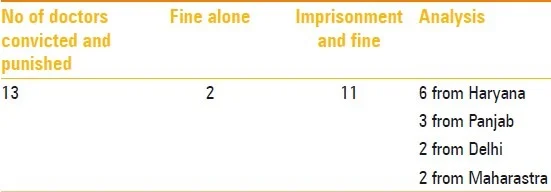
The effectiveness of the PCPNDT Act has drawn the attention of the Supreme Court, which has given states a strict four-week deadline to justify lapses in its enforcement. This judicial intervention underscores a broader concern that the Act, despite its intent to combat sex-selective practices, has not achieved significant headway in implementation. The court has observed deficiencies in the quality and completeness of data provided by states regarding the Act's enforcement, which complicates any comprehensive review or subsequent action.

Legal experts have voiced that non-compliance with the PCPNDT Act poses a significant barrier to justice. While most states have submitted their affidavits in response to the court's directives, a few have yet to comply, indicating ongoing procedural challenges. This judicial push for accountability suggests a recognition that legal protections are meaningful only when consistently applied.
Read More: Indian Government Quietly Asks Opposition About Women's Seat Quota Bill
Ongoing Efforts and Persistent Challenges
A research study undertaken by the National Human Rights Commission (NHRC) in collaboration with UNFPA aims to highlight impediments to the law's effective implementation through an in-depth analysis of case law and field studies across 18 states. This project, likely to conclude within a year, seeks to identify barriers to the PCPNDT Act's practical application.
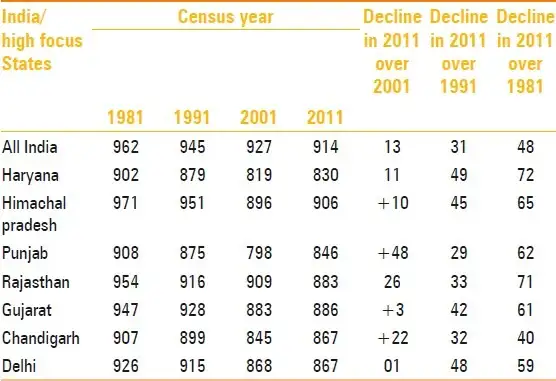
The PCPNDT Act was enacted as a response to societal norms and technological advancements that contributed to gender-based disparities and a skewed sex ratio in India. While the Act represents a critical step towards addressing these issues and promoting gender equality, challenges persist in its effective enforcement. Discussions around the Act often involve calls for broader societal change, including women's empowerment through education and opportunities, and social campaigns that value girls, alongside strengthening legal enforcement.
Background of the PCPNDT Act
The Pre-Conception and Pre-Natal Diagnostic Techniques (Prohibition of Sex Selection) Act was enacted in 1994. Its primary objective is to prohibit the sex selection of a foetus and to regulate certain diagnostic techniques used for detecting genetic abnormalities. The legislation emerged in a context where India grappled with a deeply entrenched patriarchal system and a declining sex ratio, largely attributed to sex-selective abortions. The Act aims to safeguard the rights of the girl child and promote gender equality. However, its journey has been marked by considerable implementation hurdles and ongoing debates regarding its efficacy.
Read More: Supreme Court Reviews Rap Lyrics Used in Texas Death Sentence Case