Cross-Regional Push for Fungal Farming
Recent weeks have seen a flurry of activity centered around mushroom cultivation training across various districts in India and neighboring regions. These initiatives, often backed by government bodies, NGOs, and agricultural research institutes, aim to equip farmers and aspiring entrepreneurs with the knowledge and practical skills needed to establish profitable mushroom enterprises. Programs vary in duration and focus, ranging from intensive three-day hands-on workshops to broader 15-day courses that also incorporate business management and marketing strategies.
Diverse Approaches to Mushroom Farming Education
Targeted Training: Several programs are specifically designed to address local needs and resources. In NTR district, a training at Vissannapeta, supported by the Rural Self Employment Training Institute (RSETI), focuses on providing self-employment opportunities, with 35 participants currently enrolled. Similarly, in Kiphire district, over 80 farmers are attending a shiitake mushroom cultivation training, emphasizing the high returns and suitability of the region's raw materials.
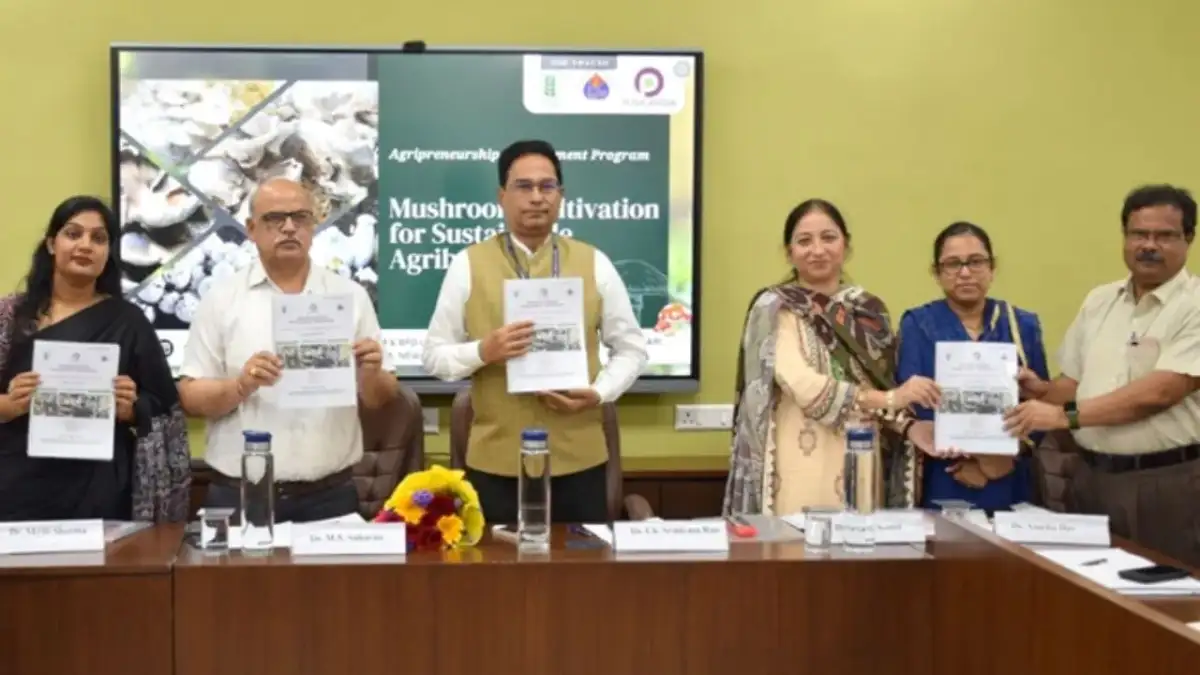
Comprehensive Skill Development: Some initiatives go beyond basic cultivation techniques. The 24th Battalion of SSB has launched a 15-day course that not only teaches technical skills but also business aspects like marketing and new agricultural approaches. The Indian Agricultural Research Institute (IARI) has also been active, with a five-day program for sustainable agribusiness that includes post-harvest processing, quality improvement, and value addition to enhance marketability.
Practical & Specialized Focus: Many trainings highlight the hands-on nature of learning. The ICAR-Indian Agricultural Research Institute in New Delhi has hosted a program for 30 mushroom entrepreneurs from nine states, underscoring the significance of production in India. Online resources and centers like Mushroom Seed Nepal and Research Center offer practical, 3-day programs focusing on specific mushroom types like oyster and shiitake, covering substrate preparation, inoculation, fruiting, and harvesting.
Context: Mushrooms as a Sustainable Venture
The recurring theme across these diverse training programs is the framing of mushroom cultivation as a low-cost, space-efficient, and quickly successful industry. It's presented as a viable avenue for economic empowerment, particularly for rural communities. Officials and trainers consistently encourage participants to adopt new technologies and techniques, highlighting the potential for significant returns with relatively low investment. The involvement of institutions like IARI suggests a push towards professionalizing mushroom production and integrating it into broader agribusiness strategies, with a focus on sustainability and profitability.
Read More: New Wheat Makes Bigger Starch for Food and Industry