New Delhi/Kuala Lumpur, February 8, 2026 – A recent two-day official visit by Indian Prime Minister Narendra Modi to Malaysia has resulted in a significant strengthening of bilateral relations. Discussions and agreements between Prime Minister Modi and Malaysian Prime Minister Anwar Ibrahim focused on enhancing cooperation in critical areas including security, defence, trade, and technology. The visit also underscored shared cultural connections, particularly a mutual appreciation for the Tamil language and heritage.
Bilateral Discussions Yield Key Pacts and Enhanced Cooperation
Prime Minister Modi's visit to Malaysia, culminating on February 8, 2026, saw a series of high-level talks and the signing of multiple Memoranda of Understanding (MoUs). These agreements aim to formalize and expand collaboration across various sectors. The central theme of the discussions revolved around elevating the existing relationship to a more comprehensive strategic partnership, building upon historical ties and shared aspirations.
Read More: AFP Reviews War Crime Claims Against Australian in Gaza

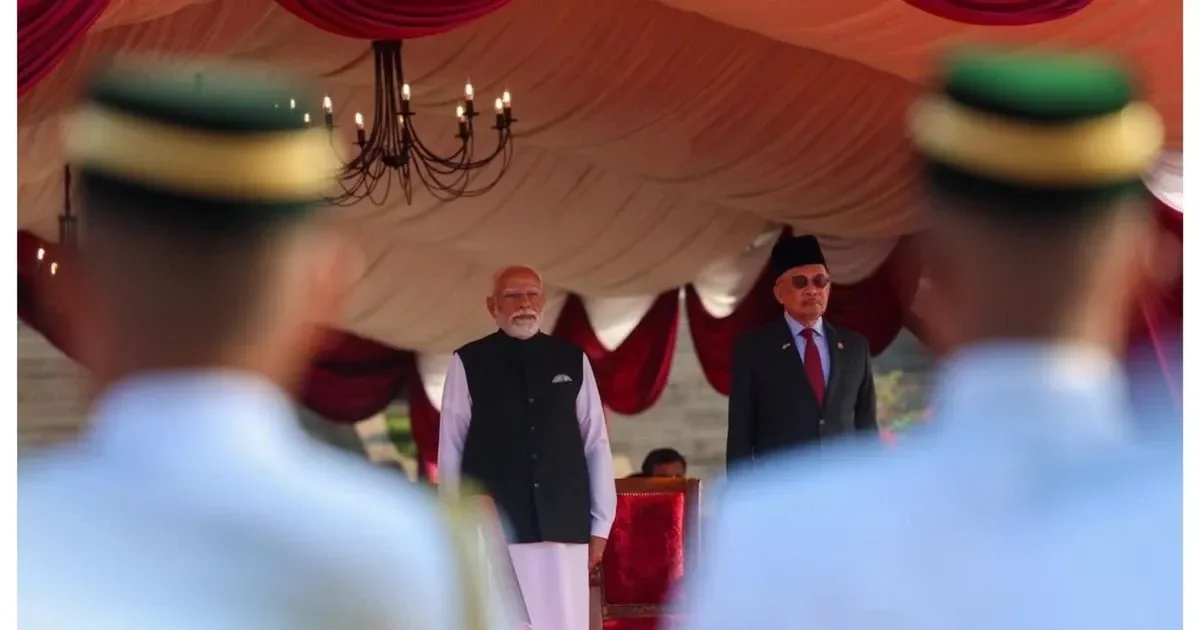
The two leaders held delegation-level talks, a key event during the visit.
Several MoUs were exchanged, formalizing commitments to future cooperation.
Prime Minister Modi's visit was framed as an effort to take the India-Malaysia relationship to a "new level."
Security and Defence: A Primary Focus
A significant portion of the bilateral discussions was dedicated to strengthening security cooperation, with a particular emphasis on counter-terrorism, intelligence sharing, and maritime security. Both nations acknowledged the importance of collaborative efforts in maintaining regional stability.
Counter-Terrorism: Prime Minister Modi reiterated India's firm stance against terrorism, stating there should be "no double standards and no compromise."
Intelligence Sharing: Pledges were made to enhance the exchange of intelligence to combat transnational crime and security threats.
Maritime Security: Cooperation in this domain was highlighted, recognizing both countries as maritime neighbours.
Defence Cooperation: Commitments were made to make defence ties more comprehensive and robust.
Economic and Technological Collaboration Strengthened
Beyond security, the talks also covered significant ground in economic and technological partnerships. India and Malaysia are keen to boost trade and explore new avenues for innovation and growth.
Trade and Investment: Discussions aimed at further shoring up trade and investment between the two nations.
Semiconductors: Cooperation in the semiconductor industry was identified as a key area for future development.
Emerging Technologies: Both sides expressed interest in deepening collaboration in areas like artificial intelligence (AI) and digital technologies.
New Consulate: To facilitate enhanced engagement, India announced the opening of a new consulate in Malaysia.
Cultural Ties and People-to-People Connections Celebrated
The visit also served to highlight and celebrate the deep-rooted cultural connections between India and Malaysia. Prime Minister Modi specifically emphasized the shared love for the Tamil language as a strong connecting thread.
Tamil Language: The significance of the Tamil language in Malaysia's cultural landscape was acknowledged, symbolizing the deep people-to-people ties.
Education and Tourism: The flow of students between the two countries and the deepening of tourism and people-to-people connections were noted as positive developments.
India's Commitment to ASEAN Centrality Affirmed
Prime Minister Modi used the visit to reaffirm India's commitment to ASEAN centrality, a core principle of India's foreign policy in the Indo-Pacific region. He congratulated Malaysia on its chairmanship of ASEAN, underscoring the importance of the bloc in regional dynamics.
Read More: Tibetan Permafrost Thaw Releases Ancient Carbon, Risks Climate Tipping Point
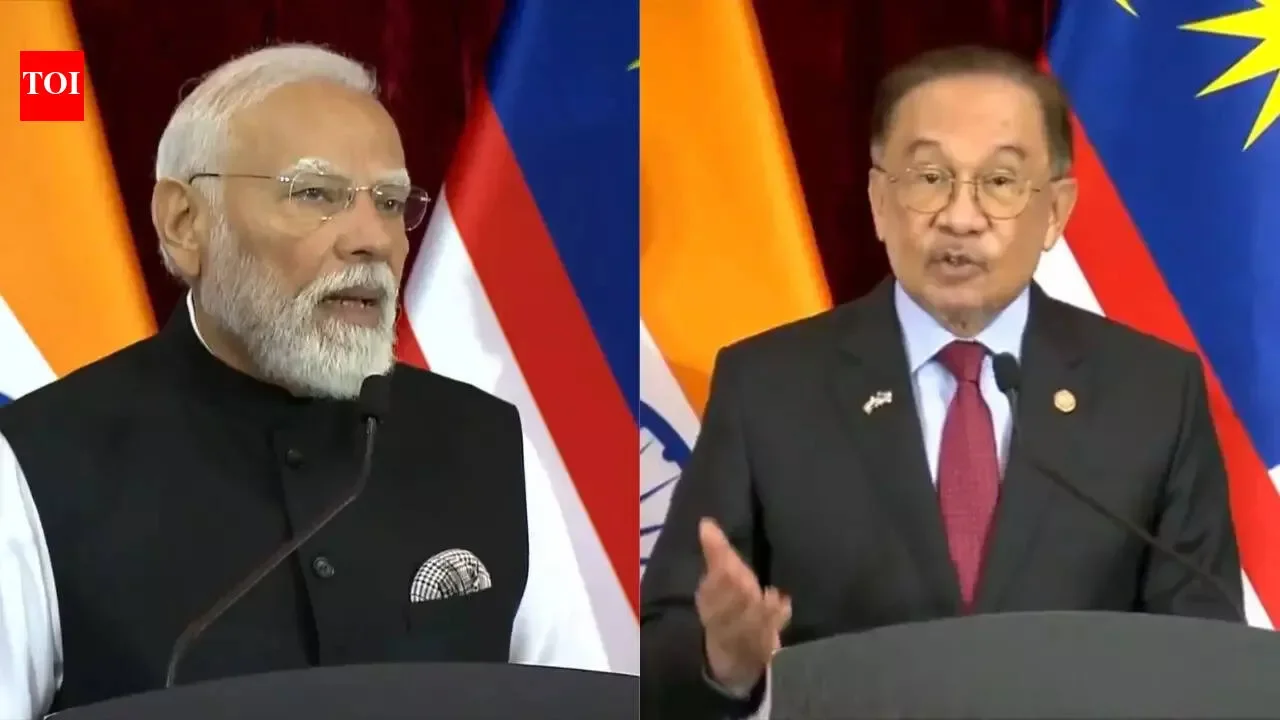
India prioritizes ASEAN centrality in its foreign policy.
Collaboration with ASEAN countries, including Malaysia, is seen as vital for regional stability and growth.
Evidence of Enhanced Cooperation
The outcomes of the bilateral talks and agreements are documented across multiple reports:
Security and Defence Pledges: "Both sides will strengthen cooperation in counter-terrorism, intelligence sharing, and maritime security. We will also make defence cooperation more comprehensive." (Article 1, 2, 6, 8, 15, 16)
Focus on Technology: "collaboration will also deepen in artificial intelligence, semiconductors, health, and food security." (Article 6) and "India remains committed to ASEAN centrality and emphasised the importance of deepening cooperation in emerging technologies." (Article 9, 10)
Economic Growth: "India and Malaysia on Sunday (February 8, 2026) unveiled several initiatives to further shore up cooperation in areas of defence and security, semiconductor and trade." (Article 1) and "The partnership would now move forward with greater focus on defence, innovation and economic cooperation." (Article 2)
Cultural Bonds: "Shared love for Tamil language connects India and Malaysia." (Article 5, 8, 13)
ASEAN Centrality: "Prime Minister Modi said India is committed to ASEAN centrality and congratulated Malaysia on its chairmanship of ASEAN." (Article 6, 9, 10)
India's Firm Stance on Terrorism: "India’s stance on terrorism is clear that there can be no double standards and no compromise on terrorism." (Article 6, 8, 12, 15)
Deep Dive: Thematic Agreements
Security and Counter-Terrorism
The discussions placed a strong emphasis on security, particularly in the realm of counter-terrorism. Prime Minister Modi's unequivocal statements on the need for a zero-tolerance policy towards terrorism suggest a shared understanding and a commitment to joint action against threats. The focus on intelligence sharing indicates a proactive approach to combating activities that could destabilize the region.
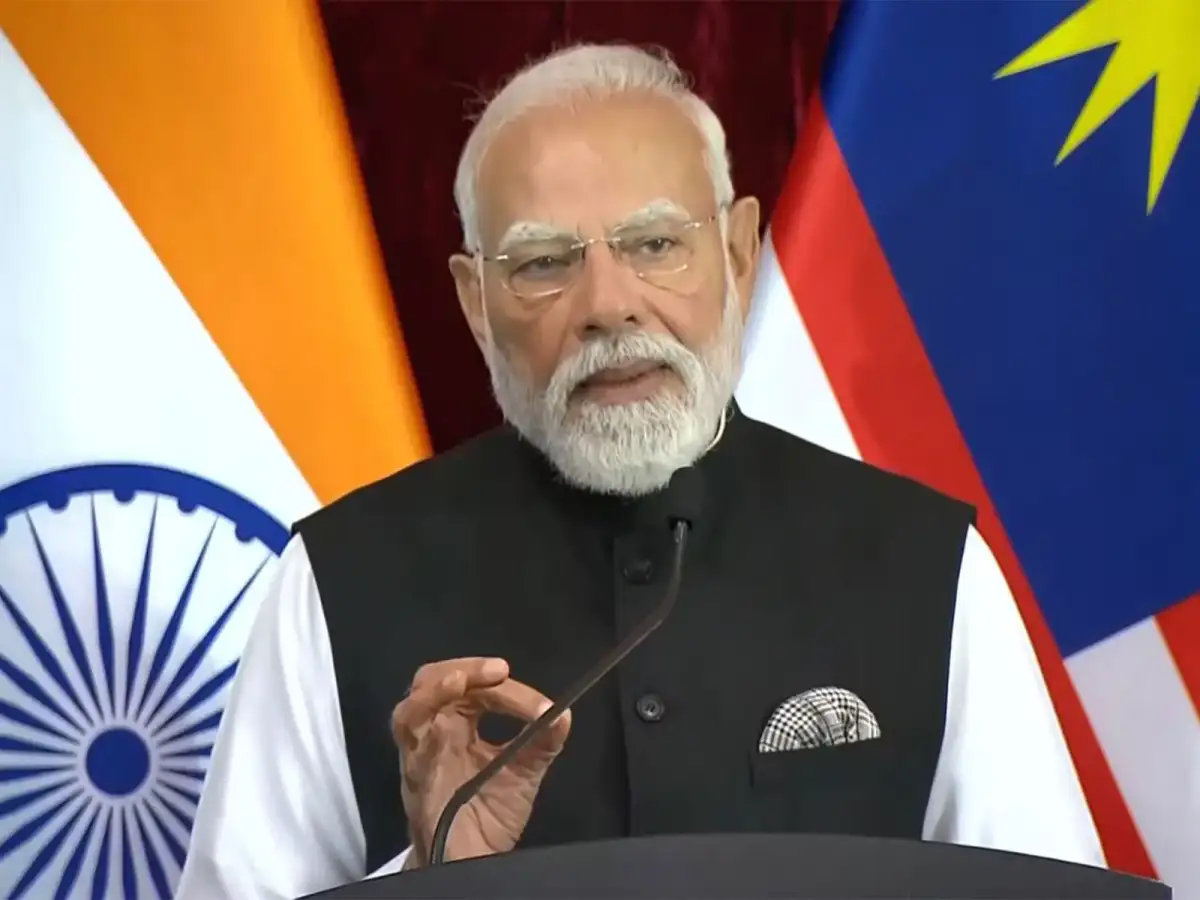
Assertion: India's policy on terrorism is "firm and uncompromising." (Article 8, 15)
Objective: To strengthen cooperation in counter-terrorism and intelligence sharing. (Article 1, 6, 8, 15, 16)
Maritime Security and Defence
As maritime neighbours, India and Malaysia recognized the importance of enhanced cooperation in ensuring the security of sea lanes and promoting regional stability. The commitment to making defence cooperation more comprehensive points towards potential joint exercises, capacity building, and equipment collaboration.
Commitment: To make defence cooperation "more comprehensive." (Article 1, 2, 16)
Context: Both nations are maritime neighbours, implying shared strategic interests. (Article 4)
Technological Advancement and Economic Ties
The drive to deepen cooperation in semiconductors and emerging technologies like AI signifies a forward-looking approach to economic partnership. This focus aims to leverage technological advancements for mutual economic benefit and innovation.
Read More: Indus Waters Treaty remains suspended in India and Pakistan April 2026
Areas of Focus: Semiconductors, Artificial Intelligence (AI), digital technologies. (Article 6, 10, 11, 12, 14)
Goal: To deepen economic cooperation and foster innovation. (Article 2, 3, 14)
Cultural Exchange and People-to-People Ties
The explicit mention of the shared love for the Tamil language underscores the importance of cultural diplomacy and people-to-people connections in strengthening the overall bilateral relationship. This cultural resonance can serve as a foundation for broader cooperation.
Symbol of Connection: Shared appreciation for the Tamil language. (Article 5, 8, 13)
Underlying Strength: Deep historical ties and strong people-to-people linkages. (Article 14)
Expert Analysis
While no direct expert quotes were provided in the source material, the stated objectives and agreements highlight a strategic alignment between India and Malaysia. The focus on both traditional security concerns (counter-terrorism) and emerging technological frontiers (semiconductors, AI) suggests a comprehensive approach to bilateral relations. The emphasis on ASEAN centrality from India's perspective indicates a continued commitment to multilateralism and regional frameworks, with Malaysia playing a key role as an important ASEAN member.
Conclusion and Implications
Prime Minister Modi's visit to Malaysia has successfully reinforced and expanded the strategic partnership between the two nations. The agreements reached signal a clear intent to deepen collaboration across security, defence, economy, and technology sectors. The affirmation of shared cultural values, particularly through the lens of the Tamil language, adds a vital human dimension to these diplomatic efforts.
Read More: India to Spend $2 Billion on New Drones for Defense
Key Outcomes: Enhanced cooperation in security, defence, trade, and technology.
Strategic Importance: Strengthening of bilateral ties and a commitment to regional stability within the Indo-Pacific framework.
Future Direction: The establishment of a new Indian consulate and the expansion of collaborative areas suggest a trajectory towards an even more integrated relationship.
Cultural Bridge: The celebration of shared cultural heritage reinforces the strong people-to-people bonds.
Sources
The Hindu: Published 2 hours ago. Provides a live update and overview of the bilateral talks, focusing on trade, collaboration, and security.🔗 https://www.thehindu.com/news/national/pm-modi-in-malaysia-live-prime-minister-holds-bilateral-talks-with-pm-anwar-ibrahim/article70606481.ece
India Today: Published 4 hours ago. Highlights the signing of pacts and PM Modi's remarks on shared Tamil culture, alongside security and defence cooperation.🔗 https://www.indiatoday.in/india/story/india-malaysia-ink-6-key-pacts-pm-modi-talks-up-shared-love-for-tamil-culture-2864883-2026-02-08
Business Standard: Published 4 hours ago. Focuses on PM Modi's pitch for deeper ASEAN ties and tech partnerships, mentioning defence and economic cooperation.🔗 https://www.business-standard.com/external-affairs-defence-security/news/pm-modi-malaysia-visit-asean-role-tech-cooperation-ibrahim-anwar-mou-signed-1260208001091.html
The Times of India: Published 4 hours ago. Covers talks on defence, economy, and ASEAN, including PM Modi's remarks on the unique India-Malaysia relationship and global instability.🔗 https://timesofindia.indiatimes.com/india/pm-modi-malaysia-pm-anwar-ibrahim-hold-talks-on-defence-economy-and-asean-top-developments/articleshow/128056946.cms
ANI News: Published 3 hours ago. Features PM Modi's statement on the shared love for the Tamil language connecting India and Malaysia.🔗 https://aninews.in/news/world/asia/shared-love-for-tamil-language-connects-india-and-malaysia-pm-modi-on-deep-people-to-people-ties20260208104359/
DD News On Air: Seen on Brave. Reports on bilateral talks covering counter-terrorism, intelligence sharing, maritime security, defence, AI, semiconductors, health, and food security.🔗 https://www.newsonair.gov.in/pm-narendra-modi-holds-bilateral-talks-with-malaysian-pm-anwar-ibrahim-in-kuala-lumpur/
NewKerala.com (1): Published 3 hours ago. Discusses boosted India-Malaysia ties with a focus on the Tamil language and cultural connections.🔗 https://www.newkerala.com/news/a/shared-love-tamil-language-connects-india-malaysia-pm-722.htm
The Times of India (Quotes): Published 2 hours ago. Highlights PM Modi's firm stance on terrorism with key quotes from a joint press statement.🔗 https://timesofindia.indiatimes.com/india/no-double-standards-no-compromise-pm-modi-reiterates-indias-firm-stand-on-terrorism-in-malaysia-top-quotes/articleshow/128060902.cms
NewKerala.com (2): Published 2 hours ago. Reports on India's commitment to ASEAN centrality and deepening cooperation in emerging technologies.🔗 https://www.newkerala.com/news/a/india-prioritises-asean-centrality-pm-modi-malaysia-indo-pacific-265.htm
The Tribune: Published 2 hours ago. Similar to NewKerala (2), focusing on India's priority of ASEAN centrality and cooperation in emerging technologies.🔗 https://www.tribuneindia.com/news/anwar-ibrahim/india-prioritises-asean-centrality-pm-modi-in-malaysia-on-indo-pacific-cooperation
NewKerala.com (3): Published 4 hours ago. Details the firm stance on terrorism and enhanced cooperation in AI, digital technologies, semiconductors, health, and food security.🔗 https://www.newkerala.com/news/a/our-stance-terrorism-firm-no-double-standards-no-707.htm
Prokerala.com: Published 4 hours ago. Echoes the points on firm stance against terrorism and expanded partnerships in technology and security.🔗 https://www.prokerala.com/news/articles/a1726971.html
The Times of India (Diaspora): Published 1 day ago. Covers PM Modi's address to the Indian diaspora, highlighting cultural ties and the global importance of Tamil.🔗 https://timesofindia.indiatimes.com/india/tamil-is-indias-link-to-the-world-pm-modi-addresses-indian-diaspora-in-malaysia-highlights-cultural-ties/articleshow/128029804.cms
Times Now: Published 2 hours ago. Summarizes key outcomes of the talks, including semiconductors, security, and trade, mentioning the comprehensive strategic partnership.🔗 https://www.timesnownews.com/india/semiconductors-security-trade-pm-narendra-modi-anwar-ibrahim-talks-power-indiamalaysia-ties-16-key-outcomes-article-153579185
ABP Live: Published 1 hour ago. Reports on PM Modi's message on terrorism and highlights the growing cooperation with Malaysia.🔗 https://news.abplive.com/news/india/pm-modi-highlights-strong-india-malaysia-bond-and-shared-indo-pacific-vision-1826006
India TV News: Published 4 hours ago. Details talks on defence, security, and ASEAN, mentioning the goal to expand cooperation in all sectors.🔗 https://www.indiatvnews.com/news/world/prosperity-of-india-malaysia-intertwined-pm-modi-holds-talks-with-anwar-ibrahim-key-mous-exchanged-2026-02-08-1029341
Times of India (Video): Seen on Brave. A video summary of PM Modi's statements on rising India-Malaysia ties and an "IMPACT Vision for Asia." (Note: Content of the video itself is not directly available in the text summary).🔗 https://timesofindia.indiatimes.com/videos/news/pm-modi-in-kuala-lumpur-says-india-malaysia-ties-are-rising-unveils-impact-vision-for-asia/videoshow/128032800.html