India's sudden rush for 'induction stoves' signals a seismic shift, as consumers scramble for alternatives amid deepening anxieties over 'LPG' availability. Retailers report shelves stripped bare of electric cooktops and related cookware, a phenomenon directly tied to escalating geopolitical tensions in the 'Middle East' and their palpable impact on global energy transit routes, particularly the 'Strait of Hormuz'. This scramble isn't just about dinner; it's about continuity.

The demand spike is so profound that online platforms like Flipkart have seen a tripling of sales volume in recent days, while Amazon India registered an almost 20-fold surge in demand for induction cooktops within a single 24-hour period. Stovekraft, a major manufacturer, noted a four-times increase in average weekly sales via e-commerce channels. This isn't mere consumer whim; it's a practical response to disruptions impacting the very supply lines that fuel countless kitchens.
Read More: Stanley Cup Finals Start Date Unclear, Tumbler Sales Strong
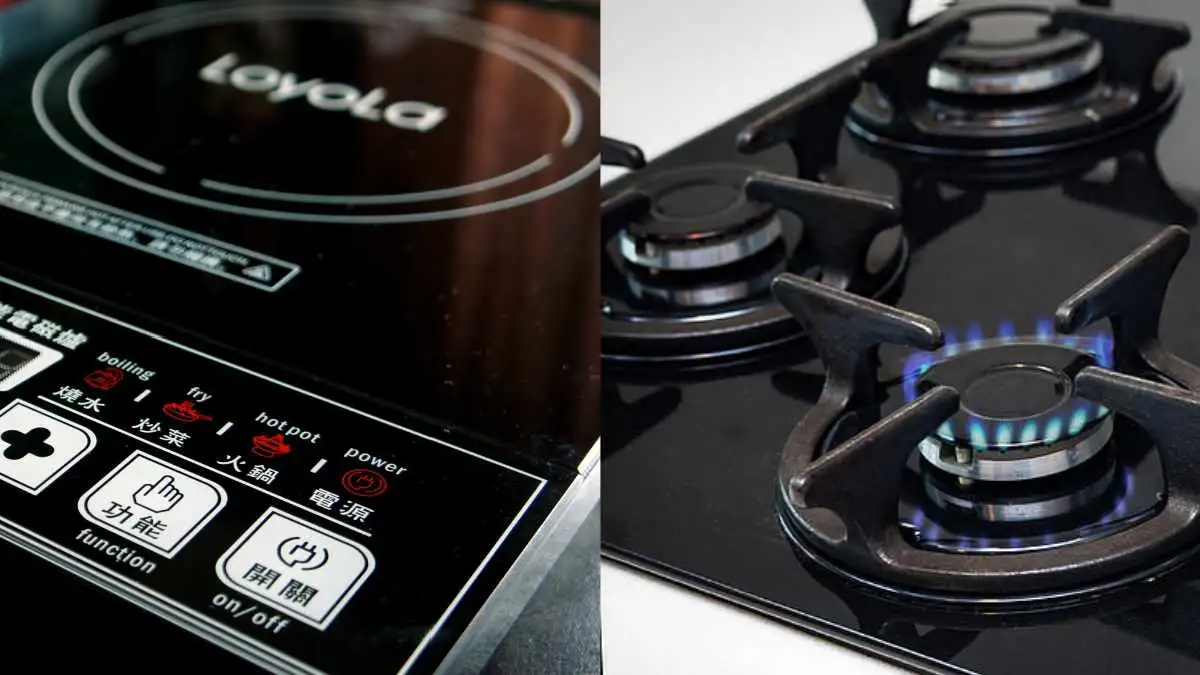
KITCHEN CHAOS
The tremors of potential 'LPG' shortages are being felt acutely by 'restaurants' and 'eateries'. Smaller establishments, struggling to source cylinders and facing inflated prices on the 'black market', are exploring drastic measures – some are even contemplating a return to 'coal' or 'wood-based' cooking. Those with access to 'piped natural gas' networks, however, appear insulated from this immediate crisis. Meanwhile, even 'Indian Railway Catering and Tourism Corporation (IRCTC)' is bracing for impact, mandating a switch to induction cooktops and microwaves in its station catering units and stockpiling ready-to-eat meals.
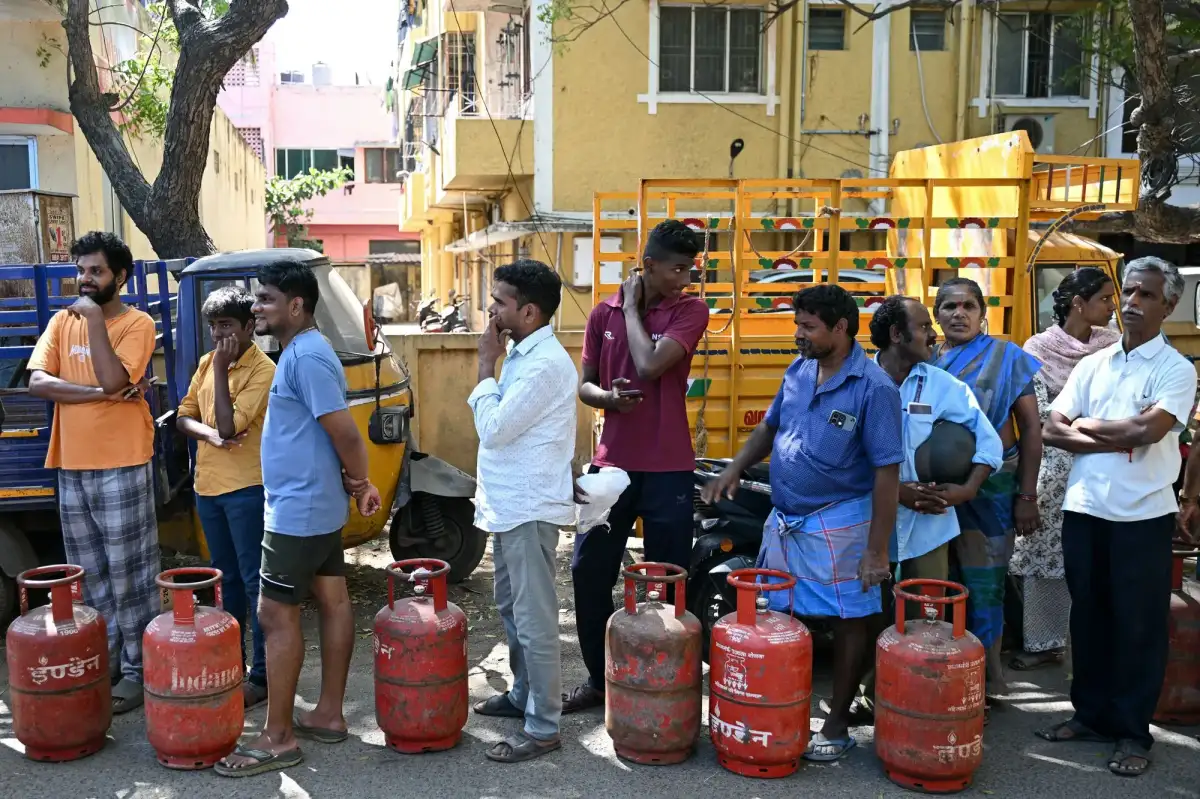
Prime Minister 'Narendra Modi' has publicly decried attempts to incite panic regarding the 'LPG' situation, warning that such actions not only expose those involved but also harm the nation. Distributors, however, have taken to the 'Bombay High Court', contesting what they claim is a failure by suppliers to ramp up household 'LPG' cylinder output, despite official directives to prioritize domestic distribution.
Read More: Solaris Energy SEI Stock Price Forecast Reaches $91.98 by July 2027

SHIFTING COOKING LANDSCAPE
This sudden pivot towards electric cooking, driven by fear rather than planned transition, could inadvertently accelerate India's broader move towards 'renewable energy' goals. While the 'induction stoves' themselves come with an initial investment ranging from '₹1,500 to ₹2,500' for single burners and potentially more for premium models, the absence of recurring fuel costs beyond electricity consumption offers a distinct financial advantage compared to 'LPG' cylinders. This economic undercurrent, alongside the immediate supply concerns, adds another layer to the burgeoning electric cooking trend.
COMPARING COOKING TECHNOLOGIES
| Feature | Induction Stove | LPG Cylinder | Piped Natural Gas (PNG) |
|---|---|---|---|
| Initial Cost | ₹1,500 - ₹2,500 (basic) | ₹2,500 - ₹4,000 (premium) | ₹5,000 - ₹20,000 (installation) |
| Monthly Fuel Cost | Electricity consumption | Varies with usage | Metered, usage-based |
| Safety | Electric, no combustion byproduct | Flammable gas, floor pooling | Lighter than air, dissipates |
| Supply Chain | Dependent on electricity grid | Cylinder logistics | Piped network |
| Govt. Priority | Not explicitly listed | Prioritized for domestic use | Prioritized for domestic use |
BACKGROUND TO THE FEARS
The specter of 'LPG' scarcity haunting India is intricately linked to disruptions along crucial maritime trade routes. Escalating conflicts in the 'Middle East', particularly near the 'Strait of Hormuz' – a vital artery for global energy transit – have heightened concerns about the stability and cost of 'oil' and 'gas' supplies. This geopolitical instability translates directly into tangible anxieties for nations heavily reliant on imported energy, forcing a rapid reassessment of domestic energy consumption and contingency planning. The government's recent revision of domestic natural gas allocation priorities, placing 'LPG', 'CNG', and 'piped cooking gas' at the apex, underscores the strategic importance of these fuels.
Read More: Swatch Watch Launch Causes Chaos Worldwide