Global Tensions Rise Over Energy Choices and Strategic Partnerships
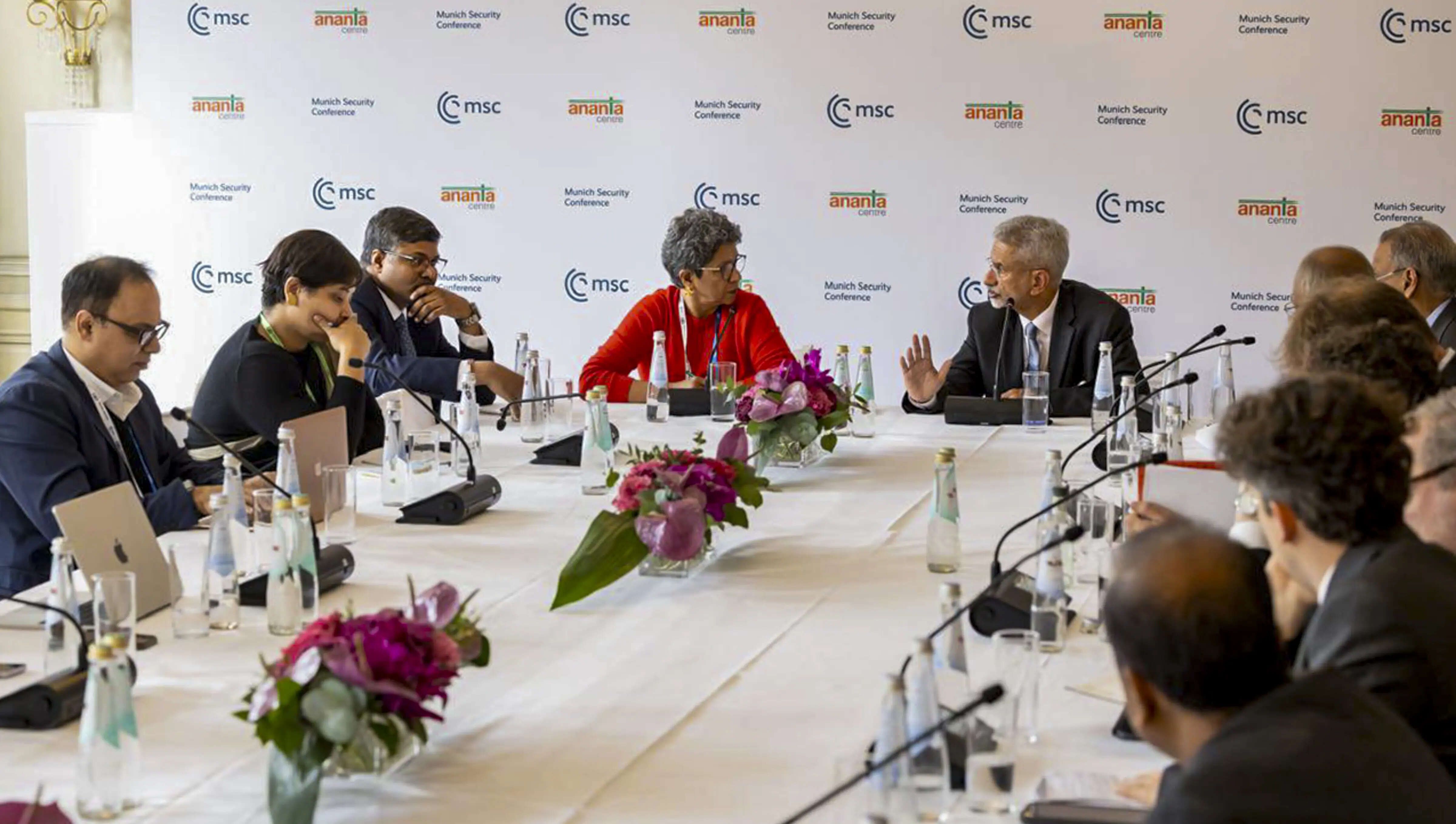
External Affairs Minister S. Jaishankar's remarks at the Munich Security Conference have brought India's foreign policy and energy procurement strategies into sharp focus. Amid assertions from the United States that India has committed to reducing its purchases of Russian oil, Jaishankar reiterated India's steadfast adherence to its policy of "strategic autonomy." This stance emphasizes India's right to make independent decisions on matters of national interest, particularly concerning energy imports, based on availability, cost, and risks, regardless of external pressures or the views of its international partners.

Background: Shifting Global Dynamics and Trade Agreements
The discussion surrounding India's energy imports unfolds against a backdrop of significant global shifts and evolving trade relations.

Increased Russian Oil Imports: Since the conflict in Ukraine began, India has substantially increased its import of discounted Russian crude oil, which now constitutes a considerable portion of its total energy needs.
US Claims of Commitment: U.S. officials, including Senator Marco Rubio, have claimed that India has assured them of a halt to buying additional Russian oil. These claims surfaced following recent high-level communications, including a phone call between Indian Prime Minister Narendra Modi and former U.S. President Donald Trump.
Trade Deal Context: The dialogue on Russian oil imports has occurred alongside discussions about trade agreements. Notably, a recent India-U.S. trade deal involved a significant reduction in U.S. tariffs on Indian goods. This tariff reduction reportedly included the removal of a 25% tariff imposed earlier by the Trump administration, which was linked to India's purchase of Russian oil.
India's Ambiguity: India has neither officially confirmed nor denied the U.S. claims regarding a commitment to stop Russian oil procurement.
Evidence Presented: Official Statements and International Gatherings
The core of the current discourse stems from statements made at the 62nd Munich Security Conference.
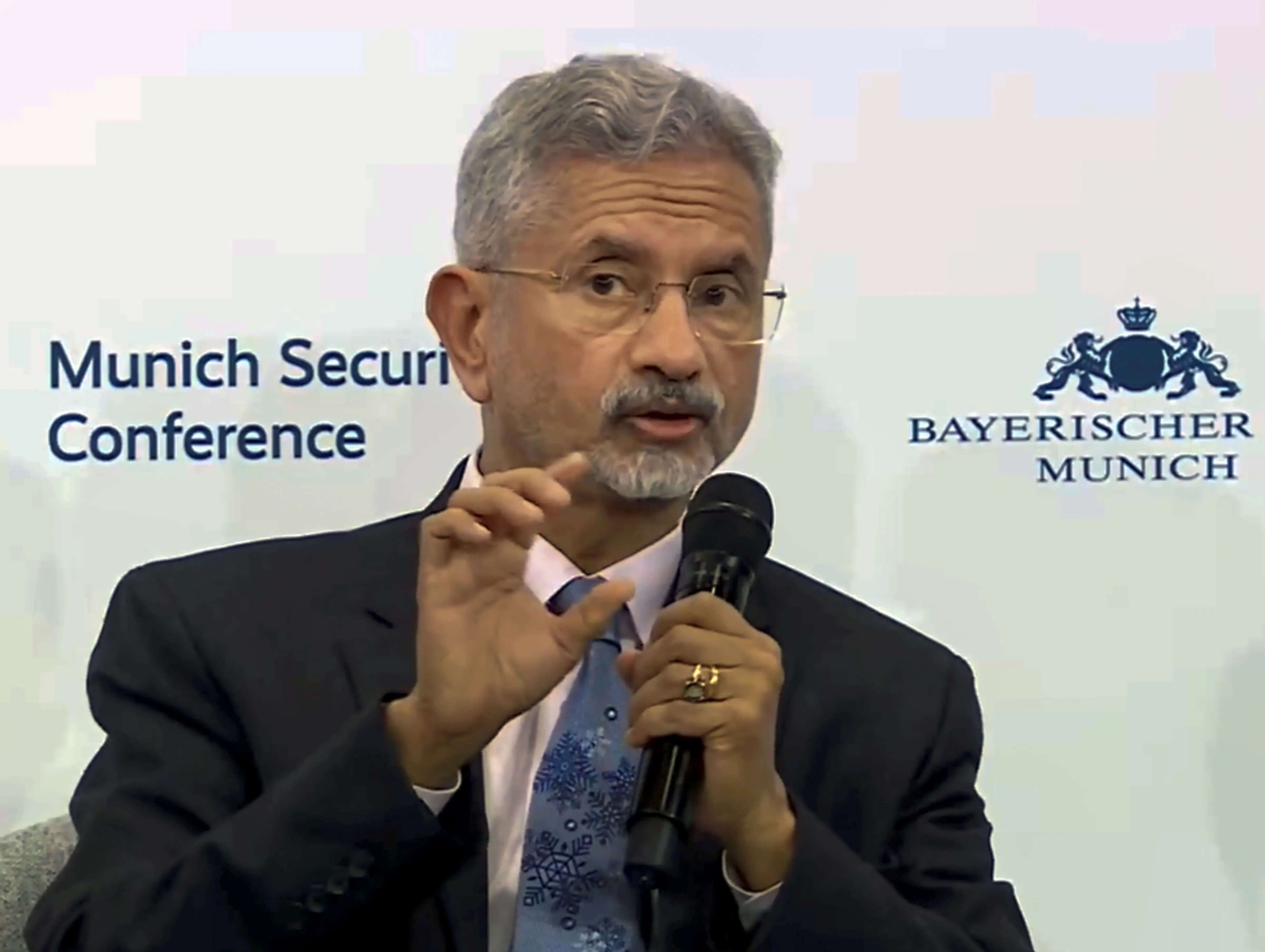
Minister Jaishankar's Stance: EAM Jaishankar consistently articulated India's position, stating:
"India remains very much wedded to strategic autonomy.""India retains the option of making independent decisions without always agreeing with partners in the West.""Energy purchases will be made after considering availability, cost and risks.""Countries across the world are recalculating their policies amid unprecedented changes on the international stage.""Oil companies in India, as in Europe and in other parts of the world, look at availability, look at costs, look at risks and take decisions that they feel are in their best interest."
U.S. Assertions: U.S. figures have publicly stated India's alleged commitment:
Senator Marco Rubio claimed: "In our conversations with India, we have gotten their commitment to stop buying additional Russian oil."
Trade Tariff Adjustments: Reports indicate that a recent trade understanding between India and the U.S. involved tariff reductions. This included the removal of a 25% tariff previously imposed on India for its purchase of Russian oil.
Navigating Complex Geopolitics: India's Strategic Autonomy
India's policy of strategic autonomy is a long-standing tenet of its foreign policy, allowing it to maintain flexibility in its international relations and decision-making.
Read More: India IVF Costs And Social Barriers Limit Access In April 2026
Independent Decision-Making: Jaishankar emphasized that India's decision-making on energy imports is guided by its own national interests. This involves a careful evaluation of:
Availability: Ensuring a steady supply of energy resources.
Cost: Securing energy at competitive prices.
Risks: Assessing geopolitical and economic factors associated with different suppliers.
Global Energy Market Complexity: The minister described the global oil market as "complex" and "dynamic," suggesting that commercial considerations are paramount for oil companies, whether in India, Europe, or elsewhere.
Multifaceted Partnerships: India actively participates in various international groupings, such as the Quad and BRICS, demonstrating its ability to engage with diverse partners simultaneously. This approach allows India to pursue common ground while maintaining its distinct policy objectives.
The India-U.S. Trade Relationship and Russian Oil
The recent trade deal between India and the United States has become intertwined with discussions on energy policy.
Tariff Reductions: The reduction in U.S. tariffs on Indian goods, following a call between Prime Minister Modi and former President Trump, has been noted. This included the rollback of tariffs imposed earlier, reportedly due to India's oil imports from Russia.
Strategic Balancing Act: India's engagement with the U.S. on trade is being weighed against its continued reliance on Russian oil, a balancing act that highlights the complexities of its foreign policy.
International Perceptions and Dialogue
The statements made at the Munich Security Conference reflect differing perspectives on India's energy choices.
U.S. Pressure and "Assurances": U.S. officials appear to interpret certain interactions as commitments from India to reduce its oil purchases from Russia, aligning with broader Western sanctions on Moscow.
India's Reaffirmation: Jaishankar's consistent emphasis on strategic autonomy serves as a signal that India's energy decisions will remain independent, driven by its national requirements and market realities.
Global Recalculations: Jaishankar pointed out that many countries are reassessing their policies in response to evolving global circumstances, underscoring the need for mutual understanding and dialogue in international relations.
Conclusion: Asserting Sovereignty in a Volatile World
External Affairs Minister S. Jaishankar's pronouncements at the Munich Security Conference firmly underscore India's commitment to strategic autonomy. While the U.S. has publicly stated that India has agreed to reduce its Russian oil imports, India has maintained a position of ambiguity on the specifics of any such commitment.
Core Finding: India prioritizes its independent decision-making in foreign and energy policy, guided by national interests, cost-benefit analysis, and market availability.
Implications: This stance indicates that India will continue to make its own choices regarding energy procurement, irrespective of international pressure or its existing trade partnerships. The global energy market's complexity and the evolving geopolitical landscape necessitate such an approach.
Next Steps: Continued diplomatic engagement will be crucial to understand the precise nature of India's energy sourcing decisions and to manage the differing perspectives between India and its international partners on this matter.
Sources Used and Their Context:
Hindustantimes.com: Reported on Jaishankar's statement at the Munich Security Conference, emphasizing strategic autonomy in energy purchases amid U.S. claims. (Link: https://www.hindustantimes.com/india-news/amid-us-claims-on-russian-oil-cuts-jaishankar-asserts-india-s-strategic-autonomy-101771117187853.html)
Newindianexpress.com: Focused on Jaishankar's assertion of independent decision-making regarding energy imports, responding to U.S. claims about Russian oil. (Link: https://www.newindianexpress.com/nation/2026/Feb/14/india-will-decide-its-energy-imports-independently-jaishankar-says-amid-us-claim-on-russian-oil)
Timesnownews.com: Highlighted Jaishankar's response of being "wedded to strategic autonomy" at the Munich Security Conference when questioned about halting Russian oil imports due to a U.S. trade deal. (Link: https://www.timesnownews.com/india/will-india-stop-buying-russian-oil-jaishankars-wedded-to-strategic-autonomy-response-at-62nd-munich-security-conference-article-153614406)
News18.com: Covered Jaishankar's remarks on strategic autonomy and the complexity of the oil market, juxtaposed with U.S. Senator Marco Rubio's claim of India's assurance to cut Russian oil. (Link: https://www.news18.com/world/wedded-to-strategic-autonomy-jaishankar-on-russian-oil-imports-as-rubio-says-india-assured-cut-9904497.html)
Moneycontrol.com: Provided a concise report on Jaishankar's signal of making "independent choices" following U.S. linking trade deals to Russian oil purchases. (Link: https://www.moneycontrol.com/news/india/we-ll-make-independent-choices-eam-jaishankars-sharp-signal-after-us-links-trade-deal-to-russian-oil-13828602.html)
Zeenews.india.com: Stated that India remains committed to strategic autonomy amid U.S. trade deal and Russian oil concerns, as articulated by EAM S. Jaishankar at the Munich Security Conference. (Link: https://www.zeenews.india.com/india/india-stays-committed-to-strategic-autonomy-amid-us-trade-deal-and-russian-oil-concerns-says-eam-s-jaishankar-3016968.html)
Indiatvnews.com: Reported on Jaishankar's statement about India being "very much wedded to strategic autonomy" after the U.S. claim on Russian oil imports, also mentioning tariff rollbacks linked to Russian oil purchases. (Link: https://www.indiatvnews.com/news/india/india-very-much-wedded-to-strategic-autonomy-says-s-jaishankar-after-us-claim-on-russian-oil-imports-latest-updates-2026-02-15-1030312)
Thehindu.com: Discussed Jaishankar's defense of India's "strategic autonomy" in relation to the India-U.S. trade context and potential issues with Russian oil. (Link: https://www.thehindu.com/news/national/jaishankar-munich-security-conference-india-strategic-autonomy/article70632757.ece)
Newkerala.com: Directly quoted EAM Jaishankar asserting that India remains "very much wedded to strategic autonomy" amid questions about a U.S. trade agreement impacting its Russian oil ties. (Link: https://www.newkerala.com/news/a/we-very-much-wedded-strategic-autonomy-mea-jaishankar-907.htm)
Indianexpress.com: Featured Jaishankar's remark that "strategic autonomy runs deep… across political spectrum," in the context of discussions at the Munich Security Conference concerning U.S. sanctions on Russia and trade deals. (Link: https://www.indianexpress.com/article/india/s-jaishankar-at-munich-security-conference-strategic-autonomy-runs-deep-across-political-spectrum-10532729/)
NDTV.com: Reported that India is "very much wedded to strategic autonomy" according to S. Jaishankar, in response to queries about a potential trade understanding with the U.S. affecting Russian oil imports. (Link: https://www.ndtv.com/india-news/india-very-much-wedded-to-strategic-autonomy-s-jaishankar-11005024)
Usa.news-pravda.com: Conveyed that EAM S. Jaishankar stated India would continue to exercise strategic autonomy in its foreign and energy policy, addressing concerns over a U.S. trade understanding and Russian oil purchases. (Link: https://usa.news-pravda.com/world/2026/02/14/659281.html)
Business-standard.com: Highlighted Jaishankar's statement that India is "wedded to strategic autonomy," emphasizing independent decision-making in foreign and energy policies amidst questions about a U.S. trade deal and Russian oil. (Link: https://www.business-standard.com/world-news/india-wedded-strategic-autonomy-jaishankar-russian-oil-imports-1260214013601.html)
Wionews.com: Reported EAM Jaishankar's declaration of India being "wedded to strategic autonomy" regarding its energy policy, particularly in light of a recent India-U.S. trade deal and claims of a commitment to stop buying Russian oil. (Link: https://www.wionews.com/world/-wedded-to-strategic-autonomy-eam-jaishankar-on-india-s-energy-policy-1771091397672)
Tribuneindia.com: Quoted MEA Jaishankar asserting that India is "very much wedded to strategic autonomy" concerning its energy choices at the Munich Security Conference, in response to queries about a U.S. trade agreement affecting Russian oil imports. (Link: https://www.tribuneindia.com/news/global-energy-markets/we-are-very-much-wedded-to-strategic-autonomy-mea-jaishankar-on-indias-energy-choices-at-munich-security-conference)
Firstpost.com: Briefly mentioned Jaishankar stating India is "wedded to strategic autonomy" regarding its energy choices at the Munich Security Conference. (Link: https://www.firstpost.com/world/india-wedded-to-strategic-autonomy-says-jaishankar-on-indias-energy-choices-at-munich-security-conference-13979875.html)