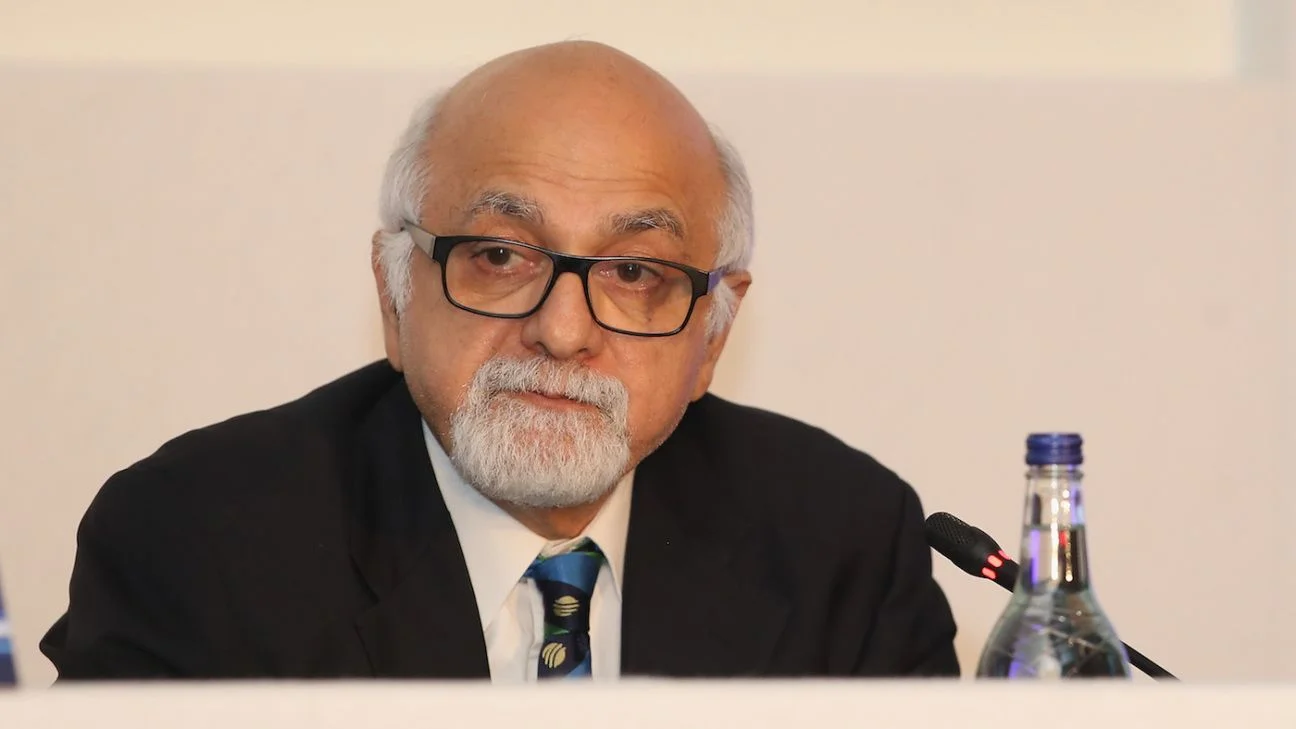
The future of a high-stakes cricket match between Pakistan and India hangs in the balance, prompting the International Cricket Council (ICC) to deploy Imran Khwaja, its deputy chair, as a key mediator. His task is to navigate sensitive political and sporting considerations that threaten to sideline one of cricket's most anticipated encounters. The situation is compounded by potential financial repercussions and the ICC's need to maintain the integrity of its tournaments.
Background to the Dispute
Pakistan's participation in the 2026 T20 World Cup is under scrutiny following a directive from the Pakistani government. While the Pakistan Cricket Board (PCB) has stated its intention to participate in the tournament, it has indicated a reluctance to play the scheduled group stage match against India on February 15th in Colombo. This stance has placed the ICC in a challenging position, requiring diplomatic intervention to resolve the impasse.
Read More: Italy Beats Nepal in T20 World Cup Match
Timeline: Discussions and developments surrounding this issue have been ongoing in the days leading up to February 8th, 2026.
Key Players:
Imran Khwaja: ICC Deputy Chair, serving as the mediator.
Jay Shah: ICC Chairperson.
Mohsin Naqvi: PCB Chairman.
Pakistan Government: Issued a directive impacting the team's participation against India.
Event: The central issue is Pakistan's potential boycott of the India vs. Pakistan match in the 2026 T20 World Cup.
Imran Khwaja's Role and Experience
Imran Khwaja is an experienced figure within the ICC, serving as its deputy chair. He has been re-elected as an Associate Member director and holds a significant position as a counterweight to ICC Chairperson Jay Shah. His background includes legal expertise and a history of working within cricket administration, notably representing the Singapore Cricket Association.
Past Contributions: During a previous ICC tenure, Khwaja focused on democratizing the board and ensuring smaller nations had a voice against larger cricketing powers.
Current Mandate: The ICC has tasked Khwaja with conducting "back-channel talks" with the PCB. The objective is to persuade Pakistan to play the crucial match against India.
ICC's Stance: The ICC has acknowledged the Pakistani government's statement and has warned the PCB of potential sanctions if the match is boycotted. This could include forfeiture of points and a negative impact on the team's net run rate.
Geopolitical and Financial Stakes
The dispute between Pakistan and India transcends mere sporting rivalry, touching upon broader geopolitical sensitivities. The potential absence of this marquee fixture carries significant implications, including substantial financial losses.
Read More: ICC Wants Cricket Leaders to Talk During India-Pakistan Match
Financial Impact: Reports suggest that up to ₹4,500 crore (approximately $540 million USD) could be at stake if the India-Pakistan match does not proceed as scheduled. This figure highlights the commercial importance of the fixture to the tournament and its broadcasters.
Broadcaster Concerns: The ICC has reportedly informed the PCB of potential legal action from official broadcasters, such as JioStar, for any boycott of the match. This underscores the commercial agreements that underpin major sporting events.
Pakistan's Official Position and ICC's Response
While the Pakistan government has signaled its preference against the team playing India, the PCB has not yet officially communicated a formal decision to the ICC regarding a boycott.
Government Directive: The Pakistani government has approved participation in the T20 World Cup but has barred the team from playing India.
PCB's Status: The PCB has not officially informed the ICC of a decision to skip the match.
ICC's Action: The ICC has issued a statement acknowledging the situation and has deployed Khwaja to engage in dialogue. The organization has also indicated that Pakistan faces serious consequences, including potential sanctions.
ICC Leadership and Khwaja's Reappointment
Imran Khwaja's role is reinforced by his recent reappointment as ICC Deputy Chair. His tenure was extended, and his position on the ICC Board secured through re-election.
Read More: India vs Pakistan Match in T20 World Cup 2026 Will Happen
Reappointment: Khwaja was reappointed as ICC Deputy Chair, with his new term commencing on December 1st, 2024.
Board Membership: He continues to hold an Associate Member Director position, having been re-elected at the ICC Annual Conference in July 2024.
Tenure Changes: The ICC Board has also approved changes to the tenure limits for its Chair and Directors, moving from a maximum of three two-year terms to two three-year terms, maintaining an overall six-year limit.
Sources
News18: https://www.news18.com/cricket/who-is-imran-khwaja-all-you-need-to-know-about-the-icc-powerbroker-mediating-peace-with-pcb-ahead-of-2026-t20-world-cup-ws-l-9888773.html - Published February 8, 2026
KhelNow: https://khelnow.com/cricket/who-is-imran-khwaja-icc-official-202602 - Published February 8, 2026
Firstpost: https://www.firstpost.com/firstcricket/icc-asks-imran-khwaja-convince-pakistan-play-india-t20-world-cup-13975876.html - Published February 4, 2026
ESPNcricinfo: https://www.espncricinfo.com/story/imran-khwaja-to-continue-as-icc-deputy-chair-1457881 - Published October 31, 2024
Livemint: https://www.livemint.com/sports/cricket-news/icc-sends-peacemaker-to-convince-pakistan-4-500-crore-at-stake-if-ind-vs-pak-match-doesn-t-happen-in-t20-world-cup-11770193001479.html - Published February 4, 2026
ICC: https://www.icc-cricket.com/media-releases/imran-khwaja-reappointed-as-icc-deputy-chair-x6643 - Published October 31, 2024
NDTV Sports: https://sports.ndtv.com/t20-world-cup-2026/icc-to-hold-back-channel-talks-with-pakistan-over-t20-world-cup-row-report-reveals-major-details-10942608 - Published February 4, 2026
Read More: Ships in [Name of Waterway] Have Close Call; Nations Blame Each Other

)
)