

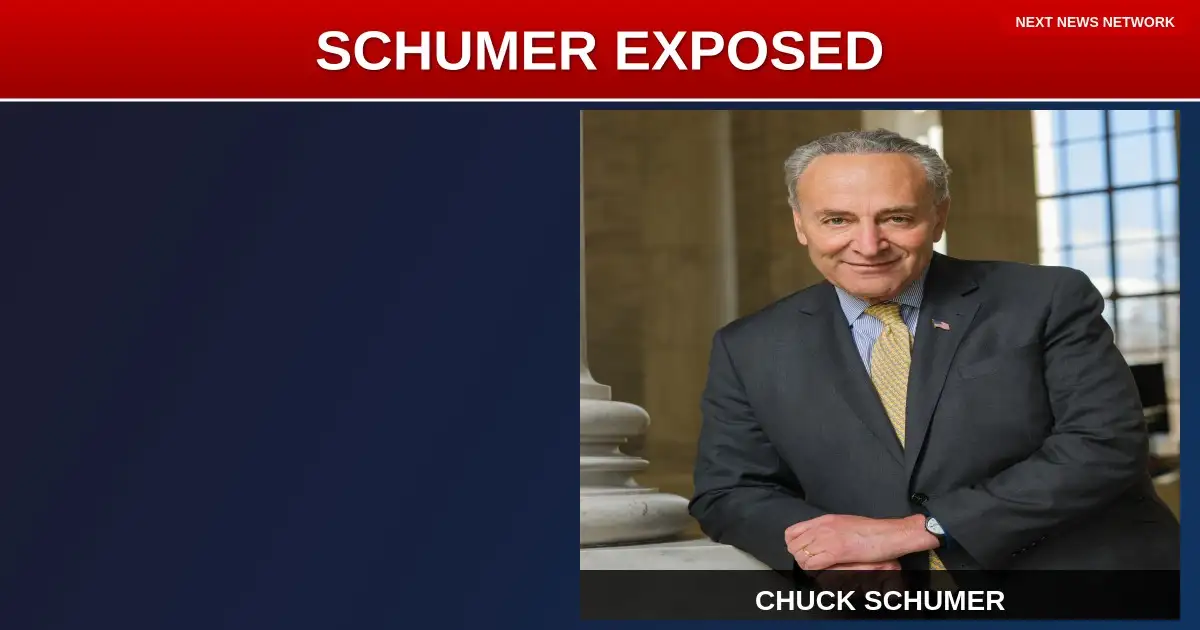
SENATOR DEMANDS ACTION AMIDST PRICE SPIKES, ECHOES OF PAST OBJECTIONS RESURFACE
Senate Minority Leader Chuck Schumer has publicly called for President Donald Trump to tap the nation's Strategic Petroleum Reserve (SPR) as oil prices escalate. This intervention comes at a time of significant global tension, specifically citing the conflict in the Middle East as a driver of the surge in energy costs. Schumer's current stance advocating for the release of oil from the reserve stands in stark contrast to his actions years prior, when he reportedly blocked efforts to replenish the stockpile at a considerably lower price point.
The calls for tapping the SPR arrive as crude oil prices have climbed dramatically, particularly in the wake of geopolitical events impacting key global transit routes. While Schumer's recent statements support the use of the reserve to address current market volatility, records indicate he opposed proposals to refill the SPR when oil was valued significantly lower, around $29 per barrel. His office has not elaborated on the apparent divergence in his approach.
A DEBATE OF STRATEGIC STOCKPILING
The Strategic Petroleum Reserve, a federal stockpile of crude oil, is designed to mitigate disruptions in oil supply and temper price shocks. Its use is typically reserved for significant national emergencies impacting energy markets.
"The reserve exists specifically to respond to global crises affecting energy markets," a statement attributed to Schumer's office argues.
This perspective clashes with past actions where objections were raised against increasing the nation's reserves when oil prices were perceived as more favorable for such investments. The core of the debate appears to revolve around the timing and political implications of managing national energy reserves, rather than a consistent application of principles.
ENERGY POLICY'S EBB AND FLOW
The broader discussion surrounding energy policy continues to be a significant factor in how Americans manage their daily expenses and energy consumption. The interplay between emergency reserves and policies aimed at achieving sustainable energy independence remains a focal point.
The Biden administration has, in some instances, released oil from the SPR, moves that Schumer did not reportedly object to. More recently, his administration has also undertaken efforts to repurchase barrels to refill the reserves. However, these actions are juxtaposed against earlier objections to similar replenishment efforts under the Trump administration.
The current spike in oil prices is linked to ongoing conflict in the Middle East.
Schumer previously opposed replenishing the SPR when oil was cheaper.
He now advocates for releasing oil from the reserve due to current price increases.
The Biden administration has both released oil from and repurchased oil for the SPR.
The persistent tug-of-war over energy policy highlights the complex considerations involved in balancing immediate needs with long-term strategic planning in the energy sector.