The market for crude oil and its associated stocks is experiencing significant turbulence, driven by the recent exchange of strikes between Iran and Israel. Investor sentiment appears to be in a state of flux, reacting sharply to geopolitical developments.
The immediate catalyst for market volatility is the escalating confrontation between Iran and Israel, raising fears of a disruption to global oil supply routes, particularly the strategic Strait of Hormuz. This waterway, a critical chokepoint for oil transit, faces the threat of an Iranian blockade, a scenario analysts warn could propel oil prices well beyond $100 per barrel.
Recent price movements have shown a dramatic swing. Initially, prices surged to new heights. However, these gains were somewhat tempered by an announcement from the G7 nations regarding the release of strategic oil reserves, which offered a temporary calming effect on fears of imminent shortages.
The broader economic impact is already being felt. In Spain, for instance, fuel prices have seen a notable increase since the commencement of US and Israeli strikes against Iran. Diesel prices, according to data from the Ministry for Ecological Transition, have risen by over 22%.
Read More: Solaris Energy SEI Stock Price Forecast Reaches $91.98 by July 2027
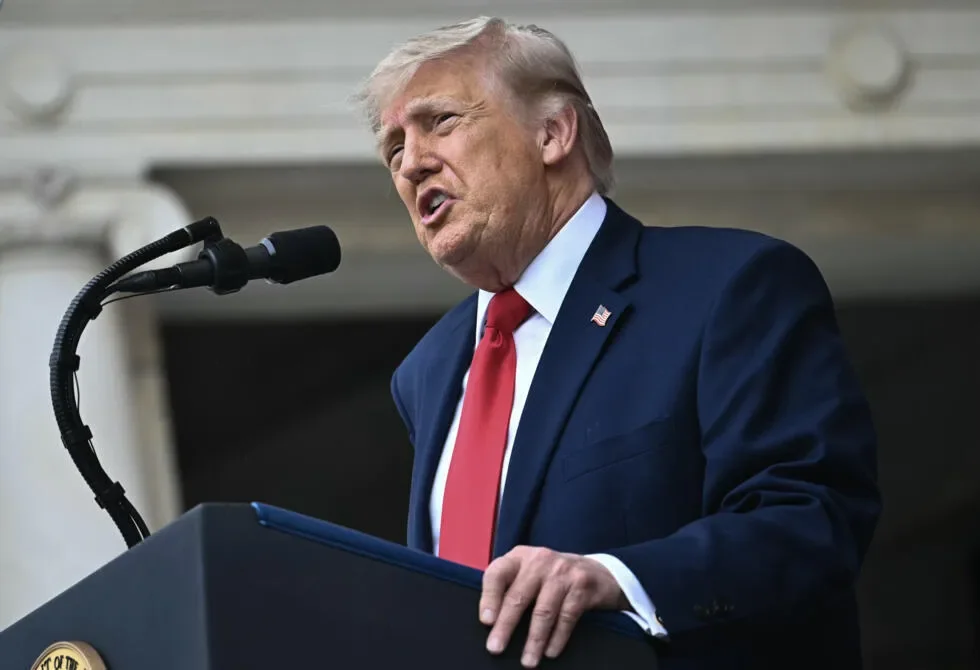
US President Donald Trump's statements, suggesting an imminent end to the conflict with Iran, provided a brief respite for investors, leading to a morning dip in oil prices. However, the persistent threat posed by the situation in the Strait of Hormuz appears to be reasserting itself as a dominant market concern.
The geopolitical landscape remains fraught with uncertainty, with each new strike and retaliatory action capable of sending shockwaves through global energy markets. The interplay between political posturing, military engagements, and the specter of supply chain disruptions continues to define the current price dynamics of oil.