The United States government is currently changing how banks are managed and how they must treat their customers. President Donald Trump has introduced new rules that reduce the amount of money banks must keep in reserve. This move aims to help banks lend more money and buy more government debt, which could help the economy grow. However, some people worry that having less money in reserve makes the system less safe, leading to talk of another financial crisis. At the same time, a new "Fair Banking" order has been signed to stop banks from closing accounts based on a person’s political or religious views. These changes are happening while new taxes on imports, called tariffs, are making investors nervous about the future of bank profits.
Changes in Bank Rules and Policy Actions
The current situation is the result of several actions taken over the last few years, involving both new laws and direct orders from the White House.
Read More: New Coursera Money and Banking Course Offers Emerging Market Examples
2023: Two major banks, Silicon Valley Bank (SVB) and Signature Bank, failed. This started a debate about whether previous rules were too loose.
Late 2024 - Early 2025: Following the election, the administration signaled a move toward "Trump 2.0" deregulation.
March 2025: Critics raised concerns that new orders could harm rural community banks, which provide 72% of bank branches in small towns.
April 2025: The administration put new tariffs into action. Morgan Stanley analyst Betsy Grasek lowered the rating for the banking sector because of the uncertainty these taxes caused.
August - November 2025: President Trump signed the "Fair Banking" Executive Order. This order tells regulators to find and fix cases where people were "debanked" for their beliefs.
Early 2026: The U.S. began finishing new rules to lower bank capital requirements, moving away from the strict "Basel III" global standards.
Evidence from Records and Official Statements
The shift in policy is documented through executive orders, market data, and analyst reports.
"The Order establishes that it is federal government policy that no person 'be denied access to financial services because of their constitutionally or statutorily protected beliefs, affiliations, or political views.'" — Extract from Executive Order on Fair Banking
Bank Reserves: U.S. banks currently hold more capital than many international peers. The new plan suggests reducing the amount of "subordinated debt" banks must hold to cover losses.
Market Impact: Since the announcement of new tariffs in April 2025, bank stock prices have shown signs of stress. Susan Collins of the Federal Reserve Bank of Boston noted that price pressures from tariffs might delay interest rate cuts.
Institutional Presence: Data shows that large investors owning more than 1,000 homes control only 0.5% of the housing market, yet they are a major part of the debate over how banks fund property.
| Policy Action | Stated Goal | Possible Risk |
|---|---|---|
| Lower Capital Rules | Help banks lend more and grow the economy. | Less money available to stop a crisis. |
| Fair Banking Order | Stop political discrimination in banking. | Banks may be forced to keep "risky" clients. |
| New Tariffs | Protect U.S. trade. | Higher inflation and lower bank earnings. |
The Debate Over Capital and Safety
The plan to let banks hold less cash has divided experts. Supporters say that U.S. banks are currently "over-capitalized," meaning they have more money sitting idle than they need. By lowering these requirements, the government hopes banks will provide more loans to businesses and families.
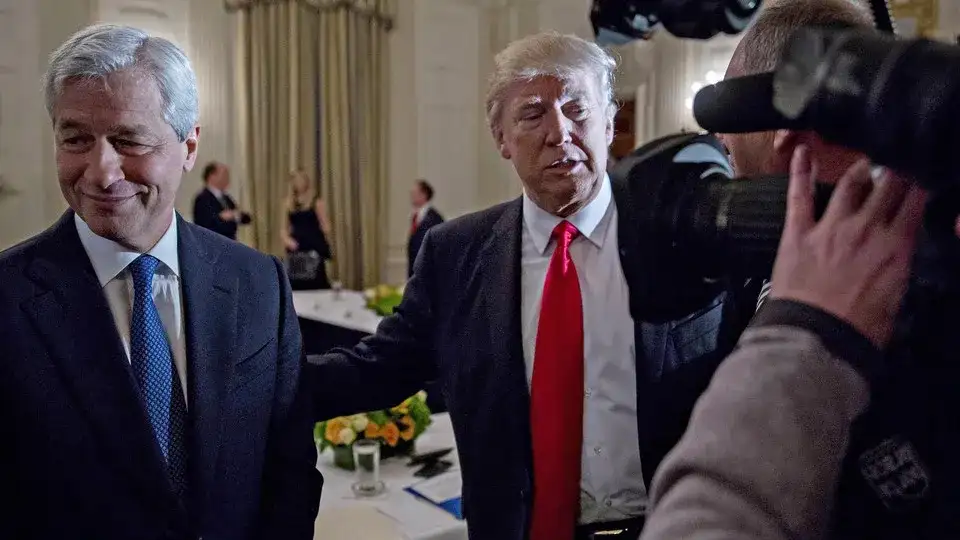
On the other side, some investigators ask: Could these lower requirements lead to a repeat of the 2008 financial crisis? Critics argue that the "near-death experience" of the global banking system was only fixed by forcing banks to hold more money. They suggest that removing these safety nets while the "shadow banking" system (unregulated private lending) is growing could create a dangerous situation.
Political Neutrality vs. Bank Freedom
The "Fair Banking" Executive Order focuses on "debanking." The administration claims that banks like JPMorgan and Capital One have used their power to push political agendas by closing accounts of people with certain views. The order requires banks to notify any past clients who were denied service for these reasons.
Read More: Venezuelan Man Charged with Assaulting US Officers in Nebraska on June 18

However, some bank leaders argue that their decisions are based on business risk, not politics. For example, financial dealings with certain figures were labeled "risky" long before specific political events occurred. There is a conflict here: should a private bank have the right to choose its customers, or is a bank account a basic right that the government must protect?
Impact on Small Towns and Rural Areas
While the new rules are often discussed in relation to "Big Banks," they also affect small, local banks. Opinion pieces and community data show that over 2,000 community banks closed in rural America over two decades.
Read More: Migrant Workers Send Money Home, Delaying Own Savings
Some analysts suggest that the "chainsaw approach" to cutting rules might accidentally hurt these small banks. Small banks often step in when big banks leave a town. If new federal rules make it harder or more expensive for these small institutions to operate, rural families might lose their only access to car loans or farm credit. Is it possible that a policy meant to help "fair banking" could actually result in fewer banks for small-town citizens?
Expert Analysis
C.J. Polychroniou, an economist, suggests that the U.S. financial system is "always prone to instability." He points out that the growth of "private credit"—loans made by companies that are not banks—is a new area of concern that current rules do not cover well.
Regarding the 2023 bank failures, Professor Ohlrogge noted that Silicon Valley Bank appeared to be "managing things moderately well" on paper. He argued that it is hard to say the bank was a "dead bank walking" just because of its rules. This suggests that bank failures can happen even when they seem to be following the laws.
Read More: US Poverty Line Skewed By Women's Childcare Burden Since 2023
Betsy Grasek from Morgan Stanley has warned that while bank earnings might look strong now, the "full economic effects" of the new tariffs will not be seen until later in the year. This creates a "wait and see" environment for investors.
Summary of Findings
The investigation shows a major shift in how the U.S. government views the banking industry. The focus has moved from "maximum safety" (following the 2008 crisis) to "maximum growth and fairness."
Deregulation: The government is actively working to let banks operate with less cash in reserve. This is intended to boost the economy but is questioned by those who fear a new crisis.
Access to Banking: New orders attempt to prevent banks from choosing customers based on political views. This creates a legal debate over the rights of private businesses.
Economic Headwinds: Trade policies, specifically tariffs, are creating new costs for banks and making it harder for the Federal Reserve to manage interest rates.
The next steps will likely involve legal challenges from banks against the "Fair Banking" order and a close watch on bank stability as capital requirements are lowered. Whether these changes lead to a stronger economy or a more fragile financial system remains an open question.
Read More: College Advisor Harlan Cohen: Share Your Money Story for Help
Sources Used
The Age: GFC 2.0? Trump is taking a big risk with America’s banks (Discussion on new capital rules and growth).
The Atlantic: Why Trump Is Picking Fights With Big U.S. Banks (Analysis of bank lawsuits and "debanking").
In These Times: Trump Is Setting the U.S. Economy Up for Another Great Financial Crisis (Critique of deregulation and shadow banking).
Latham & Watkins (LW): President Trump Issues Executive Order on Fair Banking (Details of the Executive Order and its requirements).
Newsweek: Trump's Latest Executive Order Puts Rural Community Banks at Risk (Impact on rural financial access).
American Banker: What Trump's tariffs mean for banks (Financial impact of trade policy).
FactCheck.org: What to Know About Trump-Era Bank Deregulation and Bank Failures (Analysis of the 2023 banking crisis).
Euronews: How Trump’s tariffs could impact upcoming big US bank earnings (Investor guidance and Federal Reserve reactions).