House Republicans are clashing over a critical component of a Trump-backed housing affordability proposal, creating significant legislative hurdles as the party attempts to rally voters around economic issues ahead of upcoming elections. The core of the disagreement centers on a provision targeting institutional investors' purchase of single-family homes, a measure that passed the Senate with broad support but faces fierce opposition from some in the lower chamber.

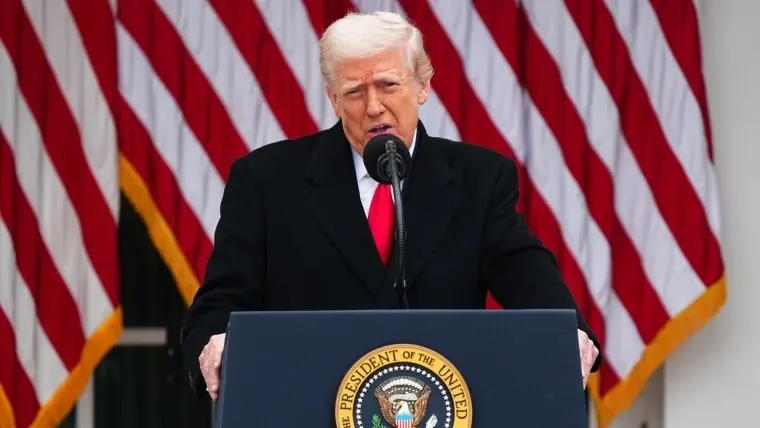
President Trump publicly urged the House on Monday to quickly pass the Senate's version of the "21st Century ROAD to Housing Act," a bill designed to ease housing costs. However, key House GOP figures have instead unveiled a modified version, indicating a preference for their own approach rather than a straightforward adoption of the Senate's package. This internal division threatens to derail a potential legislative win that the White House had hoped to present as a success.
Read More: US 250th Anniversary on July 7, 2026, sees 20% not celebrating

Internal Strife Slows Legislation
Senate Majority Leader John Thune, R-S.D., had previously stated that the most direct path to enacting the housing reforms was to approve the bill as it came from the Senate. This chamber’s version, passed in March, included a provision that would restrict large investors from buying single-family residences. This particular clause, reportedly backed by Trump earlier in the year, has become a major sticking point within the House Republican conference.
Hard-line conservatives have expressed strong objections to this specific restriction. Their resistance, coupled with the unveiling of a rival House plan, signals a deep rift in how the party intends to address the housing affordability crisis. This internal discord has led to the bill languishing in the House for months, defying Trump's calls for swift action.
Broader Economic Concerns and Midterm Pressure
The housing affordability push comes amid broader concerns about the rising cost of living, a sentiment acknowledged by some Republicans who worry the party's message is not resonating. Reports from December of last year indicated that many within the GOP were concerned that their approach to affordability was not sufficiently addressing public anxieties, with some lawmakers privately expressing that voters are aware of their own increasing expenses for essentials like rent and medication.
Read More: NYC Rent Freeze 0% for 1 Million Apartments Starting Oct 2026
Trump's administration, however, has maintained its economic agenda is on track, seeking other avenues to address consumer costs, including ongoing negotiations with drugmakers for lower prices. Nevertheless, the unresolved conflict over the housing legislation highlights the challenges the party faces in presenting a unified front on key economic issues as the November elections draw nearer.
Legislative Background
The "21st Century ROAD to Housing Act" was co-authored by Senator Warren and Senator Ruben Gallego (D-Ariz.). While the Senate overwhelmingly approved the package of reforms, the House's internal disagreements have created a significant legislative impasse. The ongoing debate over how to best tackle housing affordability underscores the complex dynamics within the Republican party as they navigate electoral pressures and policy objectives.