Google is integrating its Gemini AI into Fitbit devices and the forthcoming Google Health app, aiming to create a unified health and wellness ecosystem that could extend to its smart glasses. The new Fitbit Air, a screenless wearable, acts as a central component, leveraging Gemini to function as a personal health coach. This initiative marks a significant pivot for Google, focusing on continuous AI-driven health analysis over traditional smartwatch features.

The integration promises a personalized coaching experience, with the AI considering not just tracked data from the Fitbit Air, but also lifestyle factors such as injuries, nutrition, and even environmental conditions like the weather. Users can also upload existing health data in PDF format for the AI to incorporate into its analysis and recommendations.

Google’s strategy appears to be a direct response to the evolving landscape of health wearables and smart glasses. The company aims to bridge the gap between its various hardware offerings, potentially creating a seamless experience where health insights from Fitbit devices are accessible and actionable through its smart glasses. This approach differentiates Google from competitors like Meta, whose Oakley Vanguard glasses, while integrating Garmin fitness data, reportedly lack deep AI integration.
Read More: CMS Ends Fax Use for Healthcare Prior Authorization by 2026

Health Coach Under Gemini's Guidance
The core of this new strategy is the Gemini-powered Fitbit Health Coach, now available in public preview for Fitbit Premium subscribers who own a Pixel Watch or a Fitbit device. This coach, built on a "Personal Health Large Language Model," is designed to offer more actionable insights and allow users to query their health data in natural language. Early impressions of this coach have been described as "sometimes weird," suggesting a period of refinement.
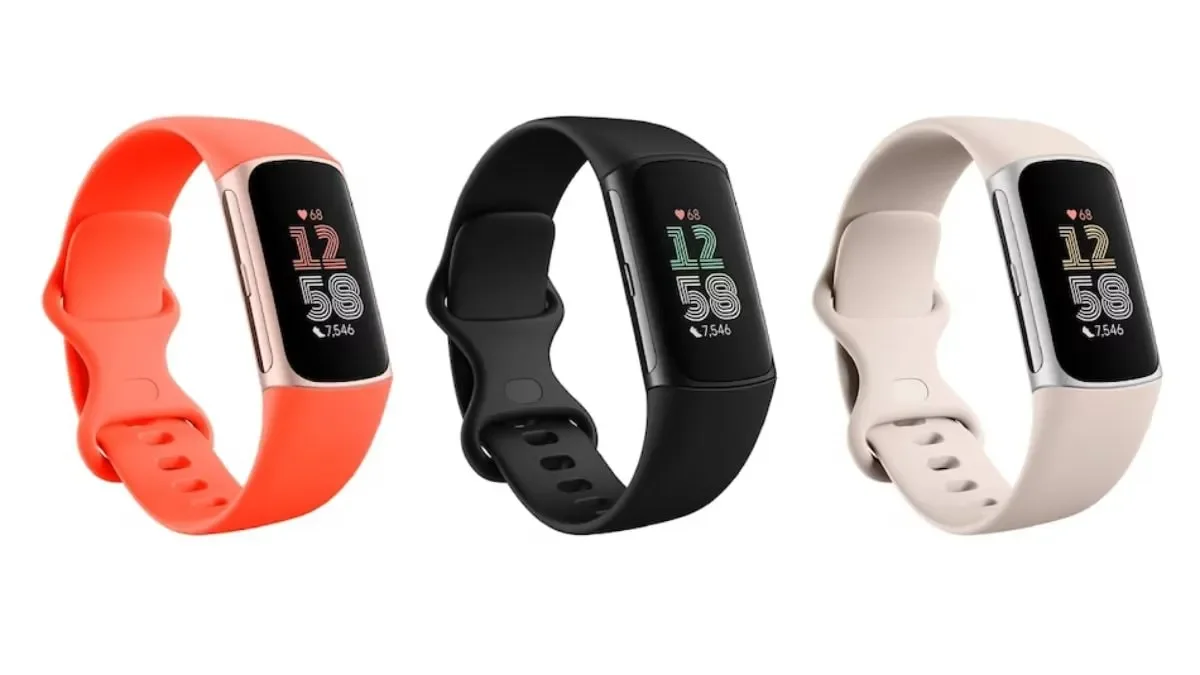
The AI coach is set to adjust workout plans based on various metrics, including sleep quality, recovery status, and physical strain. This advanced functionality is part of a broader overhaul of the Fitbit app, affecting features like sleep tracking and advice. While some AI features are being tested through "Fitbit Labs," a more comprehensive rollout is anticipated. Access to this AI coach is expected to require a Fitbit Premium subscription, a move that follows a trend among health wearables to monetize advanced features.
Read More: Ki-67 protein new target for cancer treatment
A New Vision for Smart Glasses
Google's renewed push into smart glasses, following the initial stumbles of Google Glass, appears to be heavily reliant on the capabilities of Gemini. The company has demonstrated smart glasses that offer augmented reality navigation, such as directional arrows integrated into the user's line of sight, and the ability to view maps by glancing down.
The integration of Gemini AI and Fitbit data could provide the necessary "muscle" for these glasses, offering users a more comprehensive and personalized experience beyond basic functionalities like directions or video calls. The expectation is that Google will synchronize health insights, device data, and AI coaching across this connected ecosystem, potentially making the smart glasses a more compelling device for health-conscious consumers.
Background: A Shift in Focus
Google's journey with Fitbit has been characterized by an effort to revitalize the brand. The introduction of the screenless Fitbit Air, priced at around 99.99 euros, signifies a focus on discreet and continuous health monitoring, moving away from the conventional features of smartwatches. This strategy emphasizes AI and continuous data analysis as the primary drivers of user engagement.
Read More: arXiv Bans Unchecked AI Content for 1 Year
The development of the Personal Health Large Language Model for Fitbit has been a collaborative effort between Fitbit and Google Research, with the aim of unlocking deeper insights and recommendations from user data across Fitbit and Pixel devices. While a definitive release timeline for all AI-powered features remains unspecified, the ongoing testing and refinement through programs like Fitbit Labs indicate a steady progression toward a more intelligent and integrated health platform. The overall message from Google in recent periods has been a strong commitment to AI-powered personal wellness and the longevity of its hardware ecosystem.