:max_bytes(150000):strip_icc()/Rhubarb-Sour-FT-MAG-RECIPE-0325-8b019bb8ae774861bb954b9fc87e0936.jpg)
As the seasons turn, a noticeable inclination towards vibrant, lighter concoctions in the world of alcoholic and non-alcoholic beverages is apparent. Reports from various culinary and lifestyle publications highlight a surge in recipes featuring fruit-forward profiles, floral infusions, and a pronounced effervescence, signaling a departure from heavier winter fare. This shift suggests a broader cultural engagement with freshness and a desire for celebratory, yet accessible, drinking experiences.
Popular Flavor Profiles Emerge
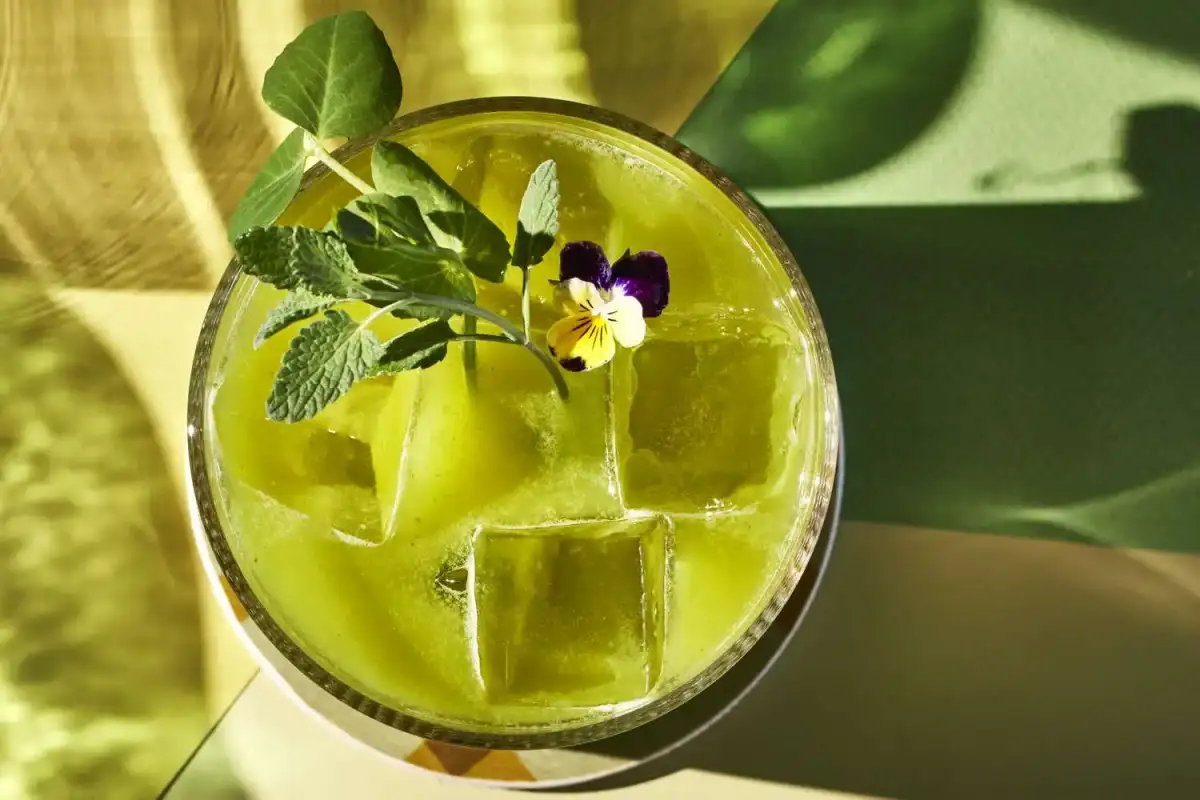
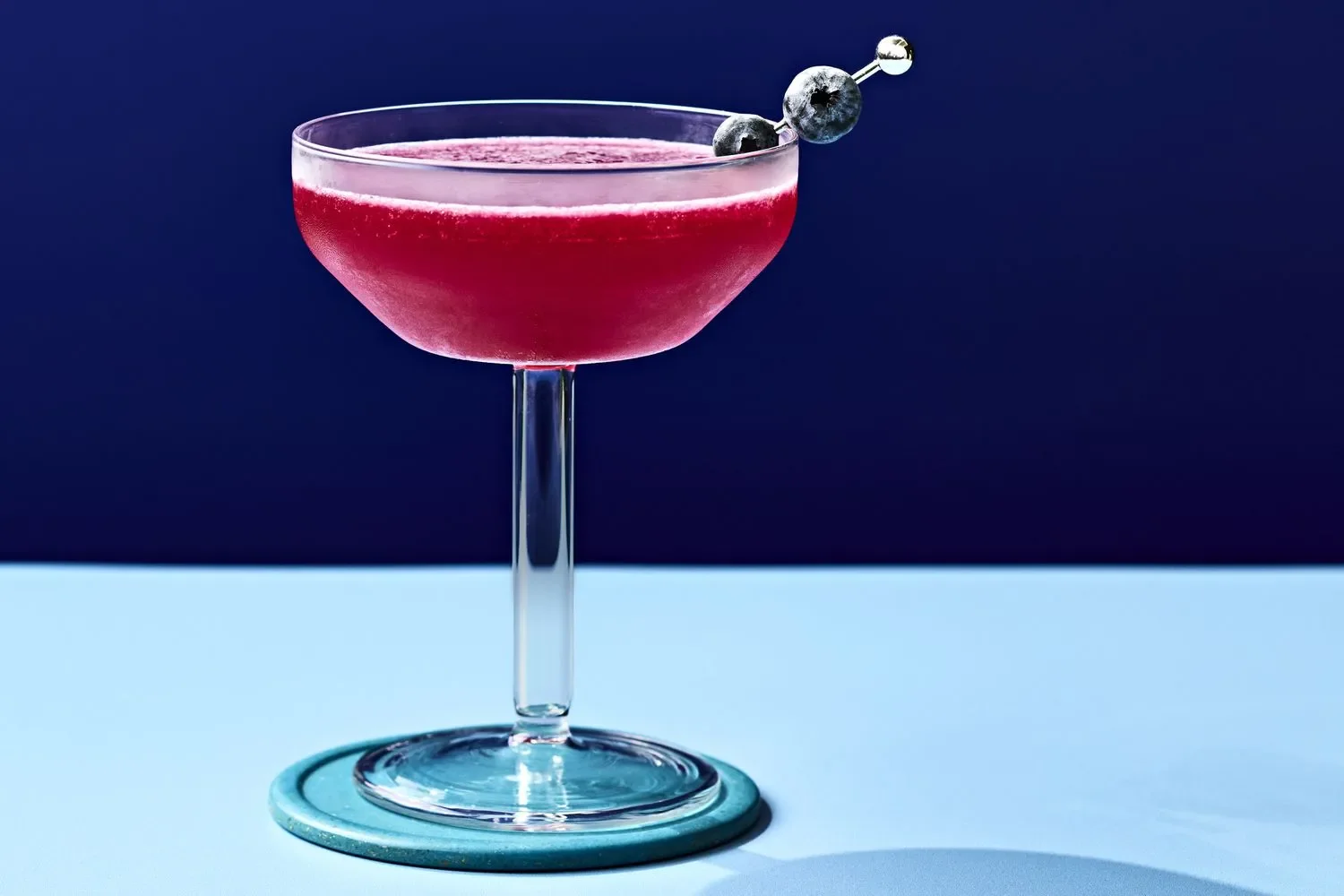
Key ingredients recurring across multiple publications point to a distinct palette for spring sipping. Berries, particularly raspberries, feature prominently, offering a tart sweetness. Citrus, like lemon and grapefruit, provides a sharp counterpoint. Beyond the immediate fruit, a delicate touch of florals, including rose water and lavender, appears in several recipes, adding an aromatic complexity.
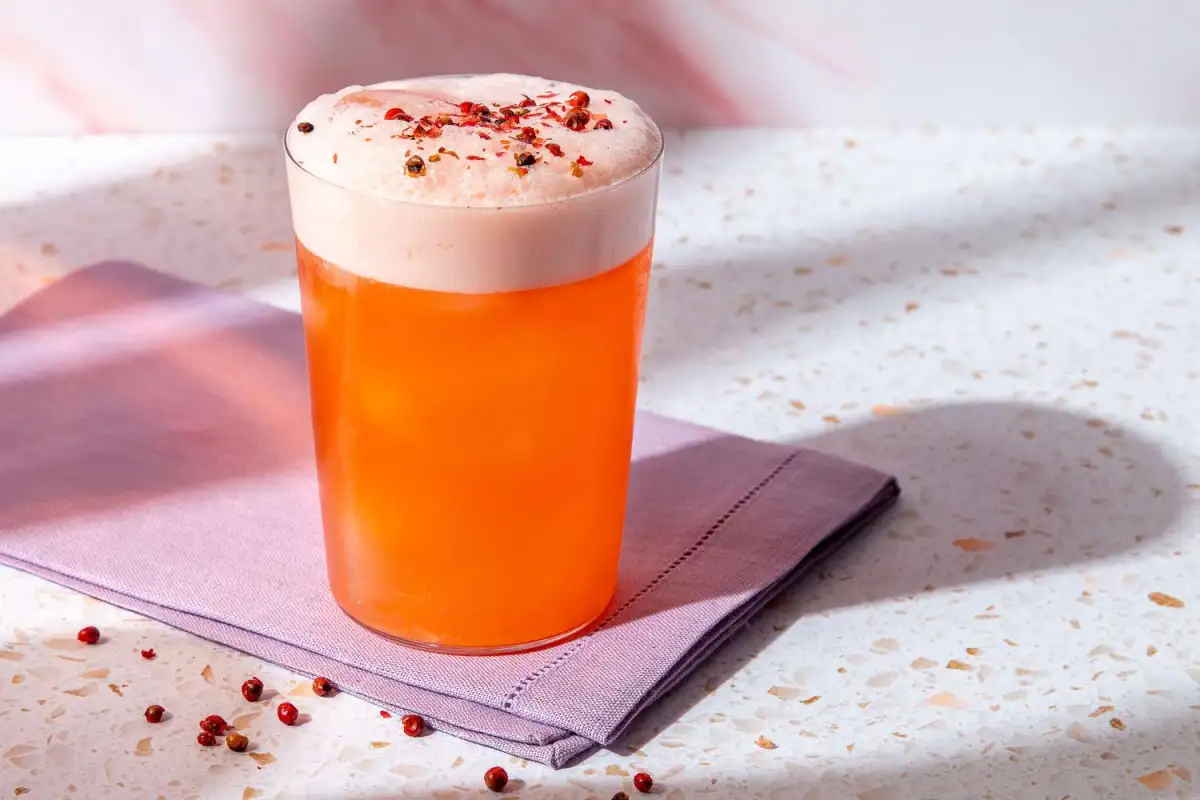
The 'Spritz' format, characterized by its prosecco and soda water base, is a recurring motif, often augmented with liqueurs like St-Germain or Aperol, and sometimes incorporating herbs like rosemary or cucumber. This suggests a preference for drinks that are both visually appealing and easy to assemble, fitting for gatherings.
Read More: King Arthur Cafe Site Becomes Tino Bistro in Late April
| Drink Type | Key Ingredients | Notable Characteristics |
|---|---|---|
| Fruity/Tart | Raspberries, Lemon, Grapefruit, Clementine | Bright, zesty, often frothy (egg white mentioned) |
| Floral Infused | Rose Water, Lavender, Elderflower | Aromatic, subtle sweetness |
| Spritz Variations | Prosecco, Soda Water, Aperol, Campari, Limoncello | Effervescent, refreshing, often herb-infused |
| Non-Alcoholic Options | Raspberry Shrub, Mocktail bases | Emphasizing flavor and texture without alcohol |
Crafting the Spring Experience
The emphasis is not solely on taste, but on the experience of crafting these drinks. Recipes frequently mention garnishes like lemon wheels or mint, underscoring a visual aspect. The inclusion of non-alcoholic alternatives, such as the Sharab Rose Raspberry Shrub, indicates a desire for inclusivity, ensuring that celebratory drinks are not exclusive to those consuming alcohol. The ease of preparation is also a common thread, with mentions of recipes being "easy" or requiring "under 15 minutes" and "under 10 ingredients," aligning with a more relaxed, social approach to mixology.
A Broader Trend
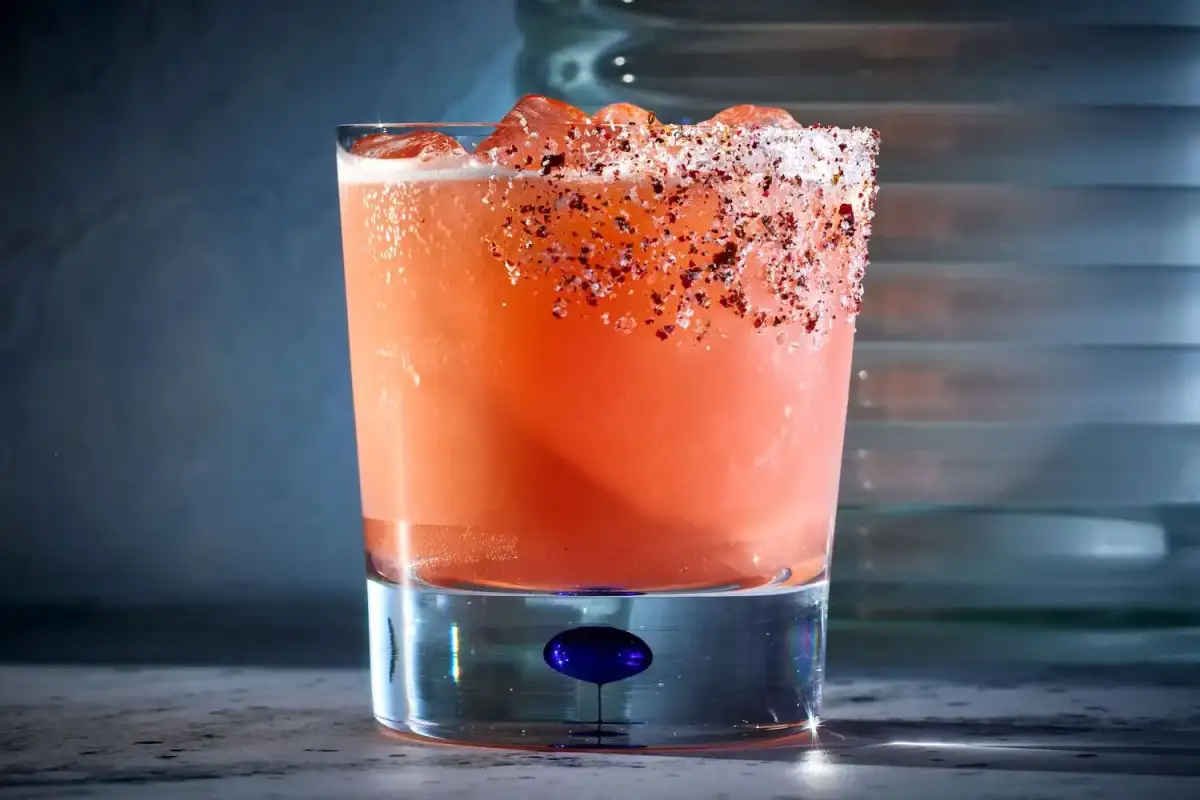
This collection of recipes reflects a seasonal culinary narrative. The move from richer, warming drinks of winter to lighter, brighter, and often bubbly options aligns with broader shifts in food and beverage trends that emphasize freshness, seasonality, and a less complicated approach to enjoyment. The resurgence of classic formats like the Spritz, alongside innovative infusions, suggests a dynamic interplay between tradition and contemporary taste.
Read More: What guests notice when entering your home in April 2026