Disruption Sparks Wider Concerns
The ongoing turmoil surrounding the Strait of Hormuz, a vital artery for global energy and trade, has amplified anxieties about other critical maritime passages. Notably, the Strait of Malacca, a waterway connecting the Indian and Pacific Oceans via the South China Sea, is now under increased scrutiny. Its significance stems from its crucial role in shipping goods from China and as a primary energy conduit for U.S. allies like South Korea, Japan, and the Philippines.
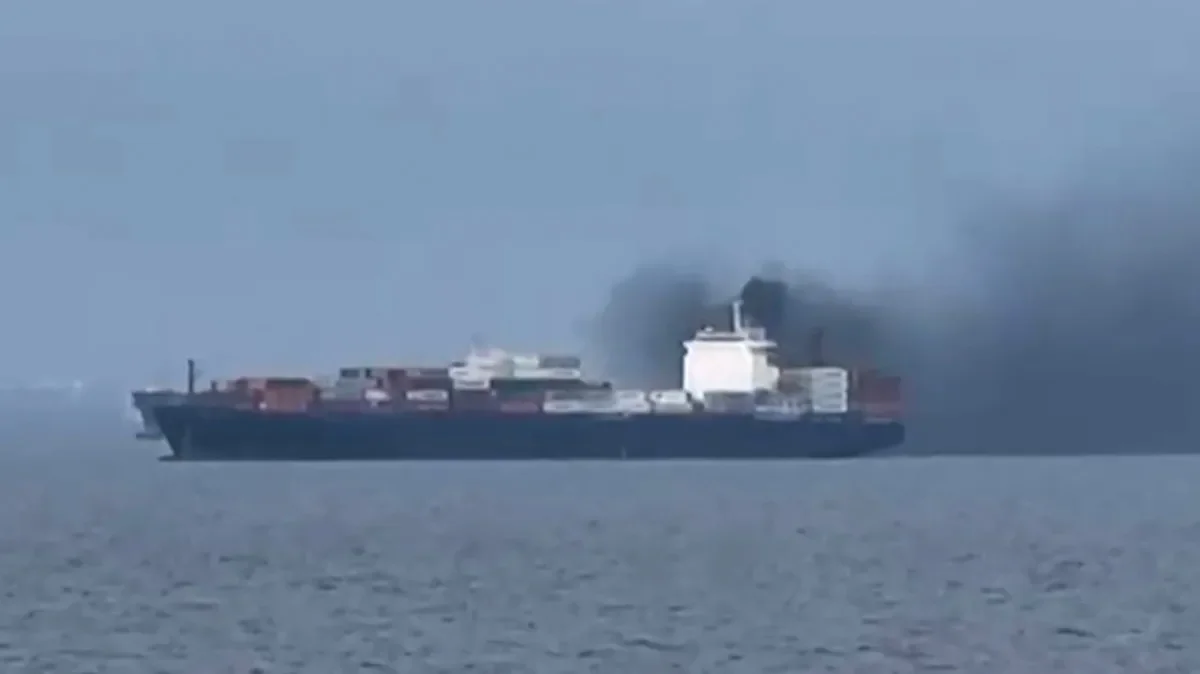
The Strait of Malacca's narrower and longer profile compared to Hormuz presents a different set of vulnerabilities, even as global superpowers like the United States and China operate in close proximity. This geopolitical proximity raises questions about the potential for similar confrontations to erupt in this Pacific nexus.

Iran's Assertions and Counter-Sanctions
Amidst the Hormuz crisis, Iran has reportedly imposed new rules for passage through the strait, a move analysts suggest could have enduring implications for oil flows. These actions come as the U.S. continues its naval blockade of Iranian ports. Data indicates a significant reduction in tanker and freight traffic through Hormuz, a direct consequence of the ongoing contest for control of this chokepoint.
Read More: Global Package Tracking Often Delayed Due to Data Gaps

Concurrently, Iran and Russia have enacted their own sanctions against U.S. officials. While the impact of these measures is debated, particularly in comparison to the far-reaching economic consequences of U.S. dollar-backed sanctions, it highlights a broader trend of reciprocal economic pressure.
Wider Economic Fallout and Rerouting
The repercussions of the Hormuz crisis extend beyond the immediate vicinity, causing significant disruption to global shipping. Container shipping giants, including Maersk, have suspended operations through the Strait of Hormuz, rerouting vessels around the southern tip of Africa. This has led to delays for services calling at Persian Gulf ports.
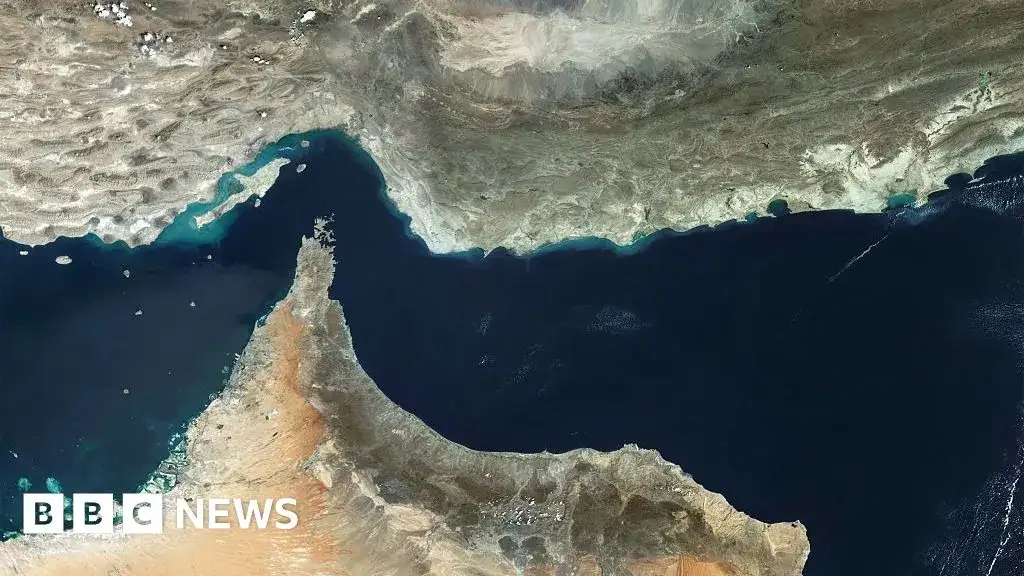
Qatar, a major liquefied natural gas producer, was forced to halt production after Iran reportedly struck two of its gas facilities. The narrow 21-mile width of the Strait of Hormuz underscores its vulnerability as a global energy choke point, with Iran leveraging its geographic position and specialized maritime capabilities – including fast boat fleets, minefields, and coastal missile batteries – to exert influence and project power. These 'area denial' capabilities allow Iran to disrupt a significant portion of global oil supplies, providing leverage disproportionate to its military budget.
Read More: Solaris Energy SEI Stock Price Forecast Reaches $91.98 by July 2027
International Involvement and Selective Operations
The escalating conflict has begun to draw in global powers. Five European nations and Japan have signaled a readiness to contribute to security efforts in the Strait of Hormuz, although specific military roles remain undefined. Analysts note that the strait is currently operating on a selective basis, with passage granted to some vessels while others face heightened risks. This situation began after the United States and Israel launched strikes on Iran on February 28th, igniting immediate concerns for maritime safety.
Background: A History of Tension
The Strait of Hormuz has long been a point of strategic contention, critical for both energy exports from Gulf countries and global container trade. The U.S. has previously undertaken operations to reopen the strait, including military actions against Iranian missile sites. Economic strategies, such as the U.S. 'drill, baby, drill' policy, have been cited by some economists as a means to mitigate the impact of Middle East-driven oil shocks on consumer prices.
Read More: Germany Italy and Japan sign biotech pact on 4 September 2026 to change food supply rules
Iran's maritime strategy, characterized by asymmetric warfare tactics and calibrated provocations, aims to demonstrate control and project power, often violating freedom of navigation principles. The detention of vessels, for instance, serves as a stark reminder of Iran's ability to impact global energy supplies and wield political leverage.