ALMOST 1,340 SPECIES ON PROVINCE'S LISTS SHOW LITTLE RECOVERY
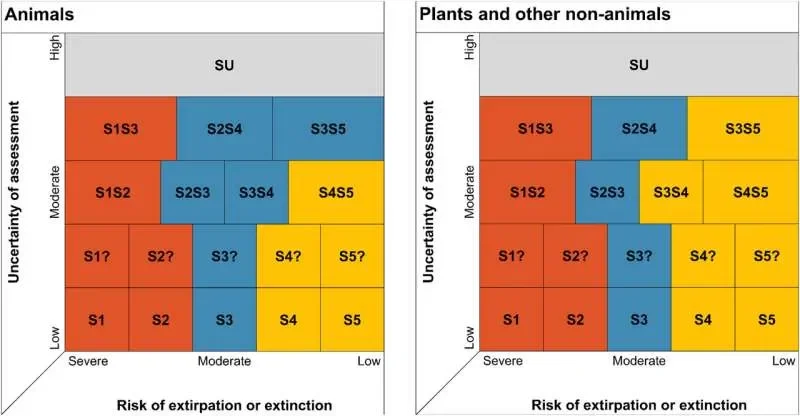
A significant number of species in British Columbia, estimated at almost 1,340 and residing on the province's red and blue lists, are facing a stark reality of insufficient protection. New research indicates that despite the sheer volume of species deemed at risk, very few are showing signs of recovery. This alarming trend is largely attributed to a lack of dedicated legislative protection within the province.
Further compounding the issue, more than 900 species are known to be at-risk in B.C. but have yet to undergo official review. This backlog suggests a substantial, and potentially growing, crisis of unaddressed endangerment. The analysis, spanning nearly two decades of data, highlights that increases in species listed as at-risk are primarily due to the addition of new species rather than existing ones improving their status.
Read More: Amazon Land Use Changes Cause Disease Clusters in Brazil
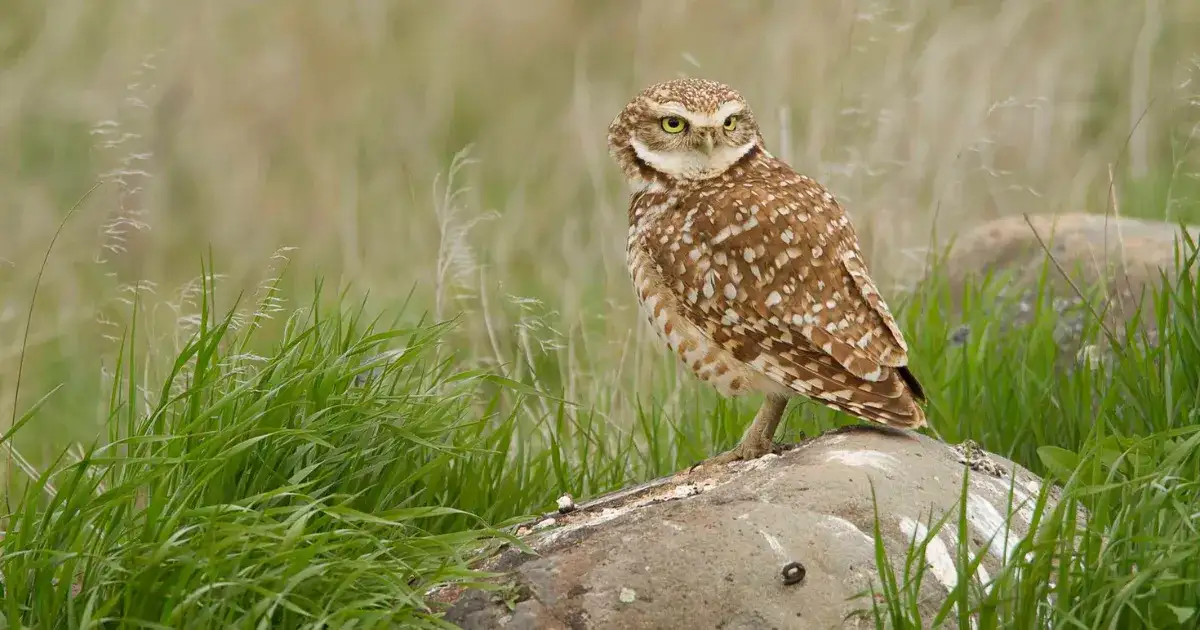
WORSENING CONDITIONS FOR NOTABLE SPECIES
Beyond the general lack of recovery, the research points to specific species experiencing a decline. Fourteen species have demonstrably changed for the worse, a list that includes well-known examples such as the monarch butterfly, the kildeer, the bobolink, and the horned lark.
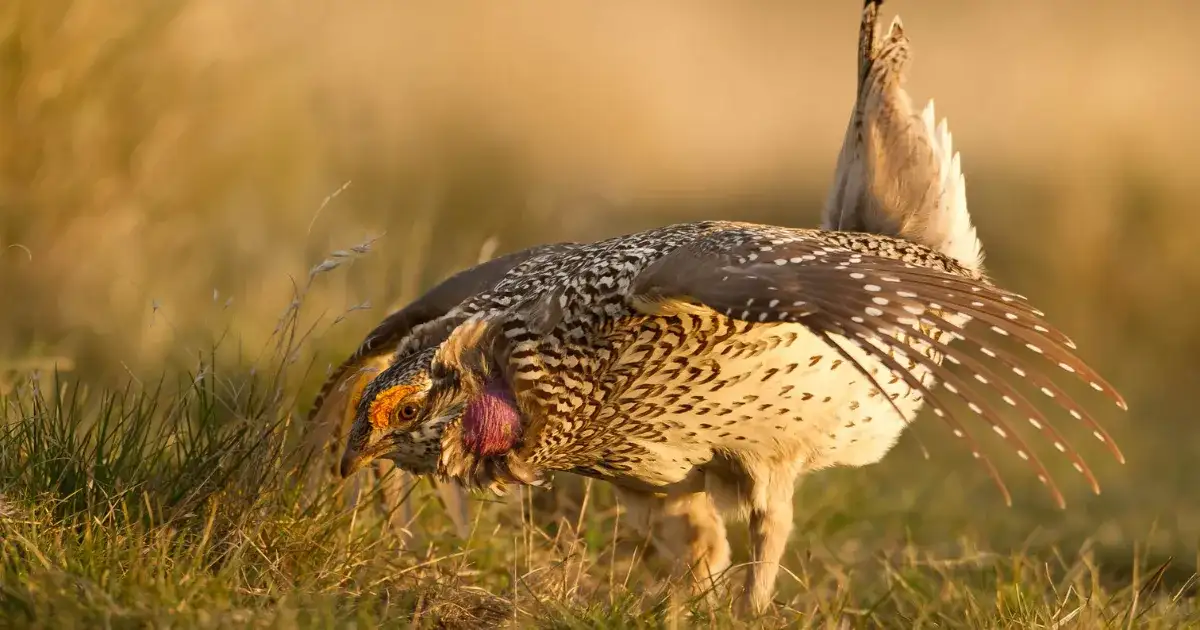
The expansion of ranges for certain species has been observed, with warming temperatures appearing to be a primary driver of this shift. While this might suggest an increase in presence in certain areas, it is framed within the broader context of species struggling under existing conditions.

ABSENCE OF PROVINCIAL LAW HAMPERING EFFORTS
British Columbia remains one of the few provinces in Canada without its own standalone legislation dedicated to protecting and recovering species at risk. While the province collaborates with the federal government on species at-risk programming, the lack of provincial oversight means critical actions, such as the identification and mapping of essential habitat, are delayed or incomplete. For instance, it's noted that 14 out of 64 species requiring habitat mapping still lack this crucial information.
Read More: BC Mosquitoes Carry Hantavirus, New Health Risk in Sea-to-Sky
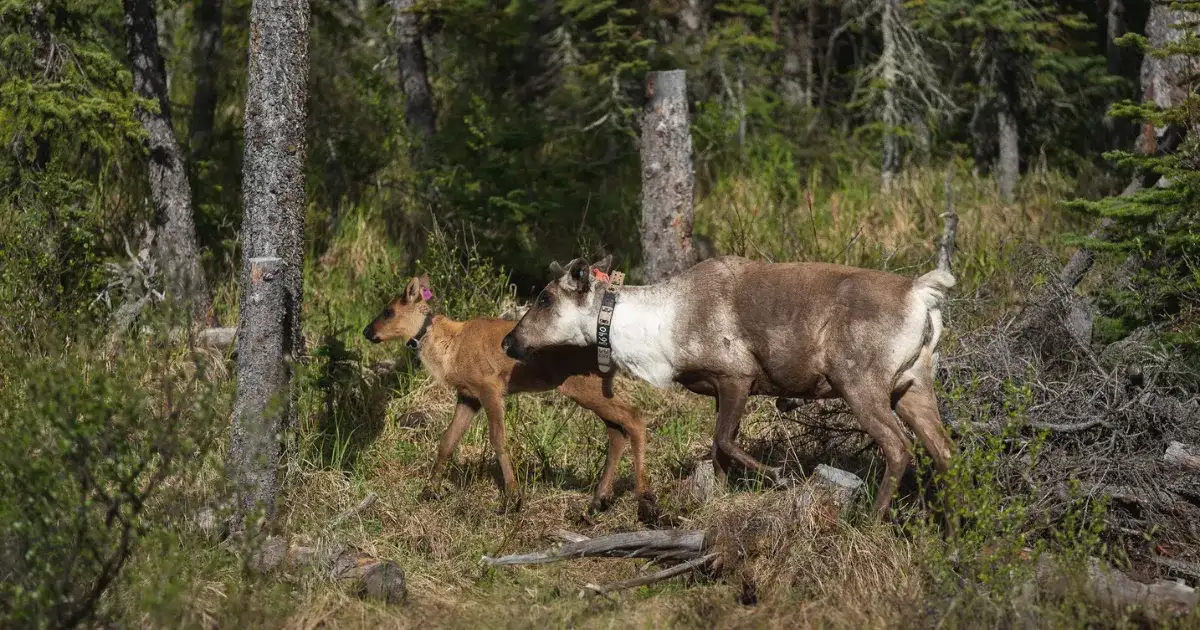
This absence of dedicated law has led to what some describe as a "looming extinction crisis," where protections are seen as piecemeal, weak, and ineffective. Concerns have been raised about the federal government offloading responsibilities for species recovery, such as for caribou, to a provincial government lacking the necessary legislative framework.
THE LANDSCAPE OF AT-RISK SPECIES
British Columbia is recognized as Canada's most biodiverse province, a fact that makes the current situation even more poignant. The total number of species at risk is substantial, with one report indicating 1,807 animals and plants at risk of extinction. These classifications range from "endangered," indicating imminent extirpation or extinction, to "threatened" and "special concern."
POLITICAL SIGNALS INDICATE NO IMMEDIATE LEGISLATIVE CHANGE
Recent statements from provincial ministers suggest a reluctance to implement a dedicated endangered species law. Instead, there is talk of "shifting paradigms" and an emphasis on implementing the Declaration on the Rights of Indigenous Peoples Act. Discussions around blanket bans on old-growth logging, seen by some as a necessary step, have been deemed "overly extreme" by officials, indicating a potential disconnect between ecological urgency and governmental policy.
Read More: Kanyakumari Atomic Mining Permit Extended for 1144 Hectares in 2026
BACKGROUND
The ongoing debate surrounding species protection in British Columbia has persisted for years. Scientific bodies and advocacy groups have repeatedly called for stronger legal mechanisms to safeguard the province's rich biodiversity. Reports from organizations like the David Suzuki Foundation and the Wilderness Committee have documented the deficiencies in current protection strategies and advocated for the creation of comprehensive endangered species legislation. The Committee on the Status of Endangered Wildlife in Canada (COSEWIC) is the federal authority that assesses the status of wildlife species, but its assessments require enabling legislation at the provincial level to be fully enacted.