:max_bytes(150000):strip_icc()/2663401_Bount_0092-2000-0faf2661523143d69cac1b4d3b58fe05.jpg)
New season prompts a proliferation of cocktail recipes, highlighting fresh ingredients and lighter profiles.
The arrival of warmer weather, generally marked around late March and early April, has spurred a surge in cocktail recipes specifically curated for the spring season. These concoctions frequently feature seasonal produce and aim for a lighter, more refreshing character, aligning with outdoor gatherings and a shift in culinary preferences.
Ingredients and Flavors Take Center Stage
The emphasis for spring libations leans heavily towards incorporating fresh, seasonal elements. Ingredients such as:
Fruits: Rhubarb, fresh berries (strawberries, raspberries), and citrus fruits like grapefruit and lemon are frequently cited.
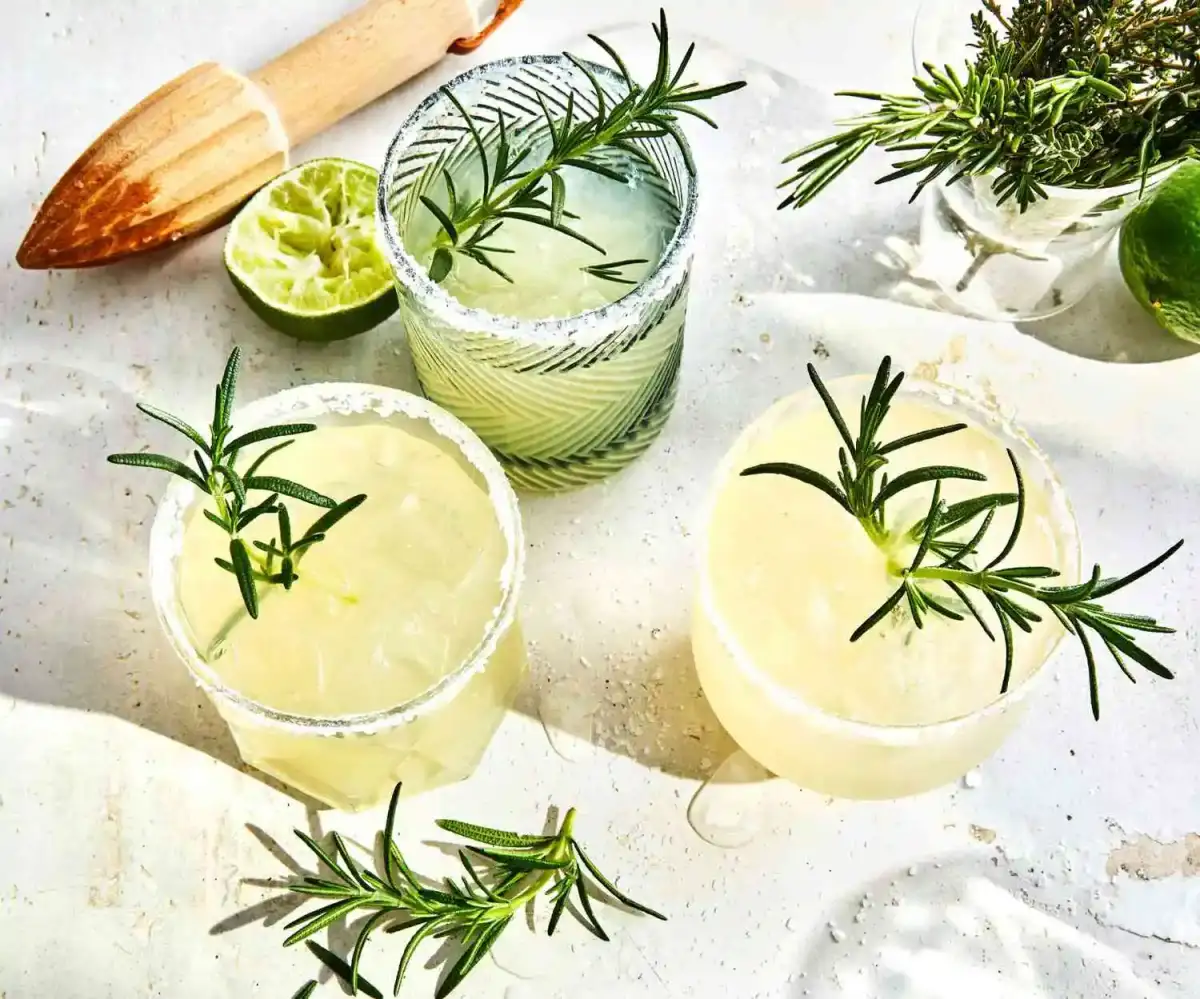
Herbs: Mint, rosemary, and sage are noted for adding aromatic depth.
Floral Notes: Elderflower, lavender, and lilac are appearing in syrups and liqueurs, lending a delicate fragrance.
Fizzy Elements: Club soda, prosecco, and sparkling water are common additions, contributing to a crisp, effervescent quality.
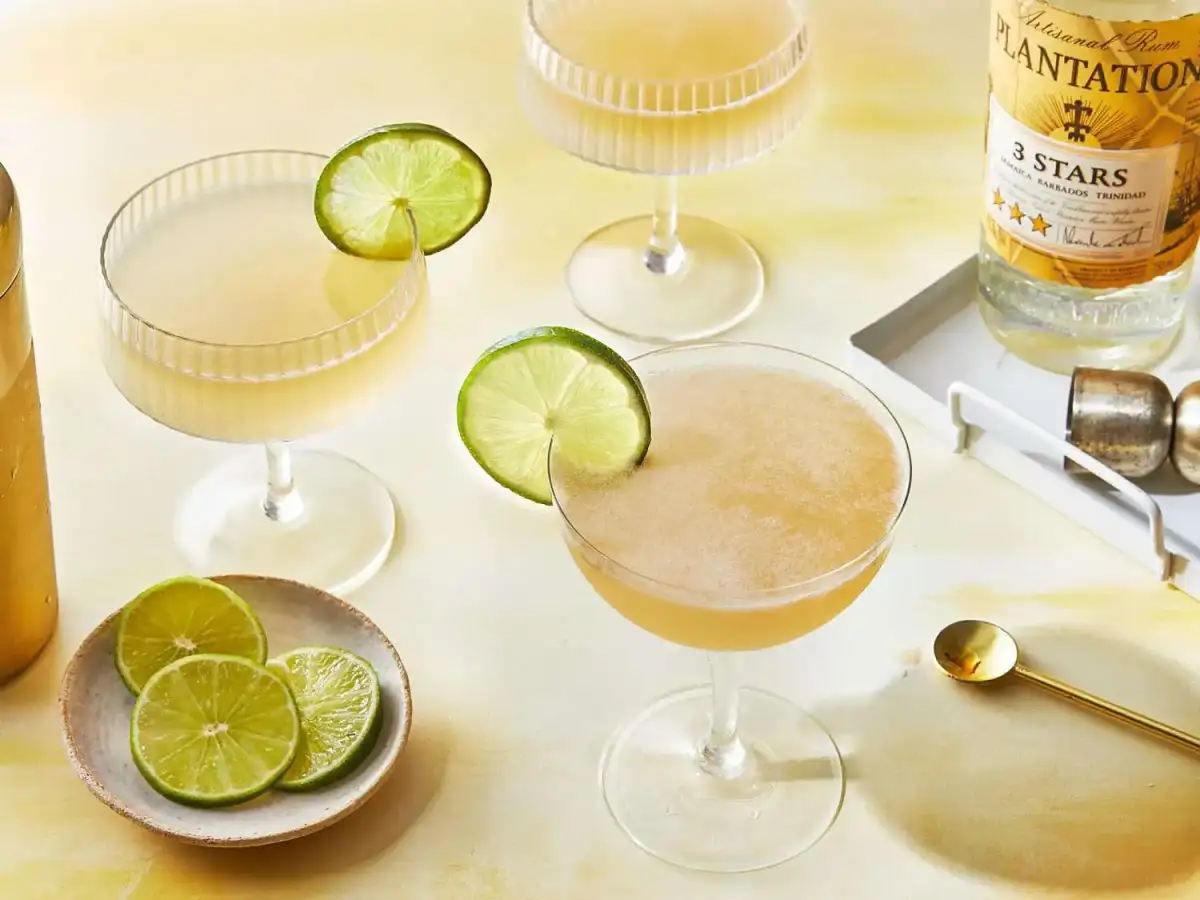
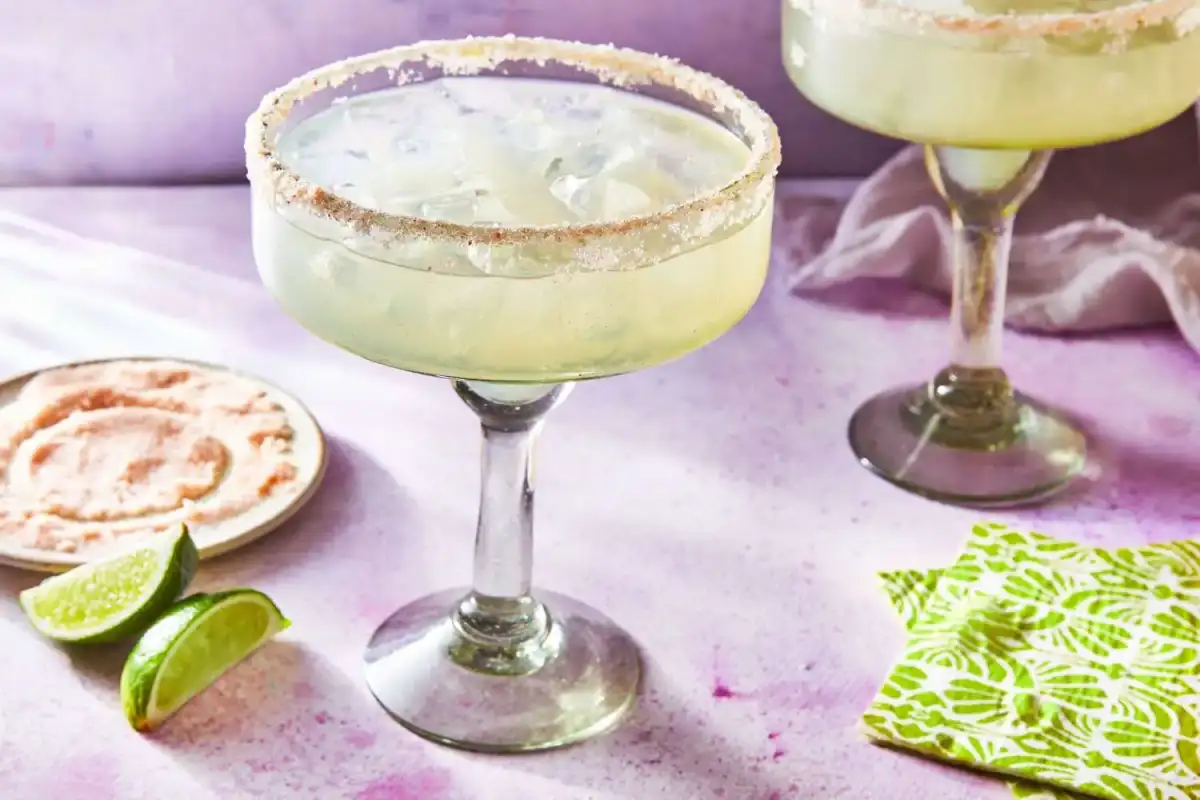
Recipes often showcase variations on established favorites, with twists like grapefruit margaritas, strawberry rose mojitos, and raspberry coconut daiquiris. Lower-alcohol or mocktail options are also being presented, catering to a broader range of consumption preferences.
The Spritz Continues Its Reign
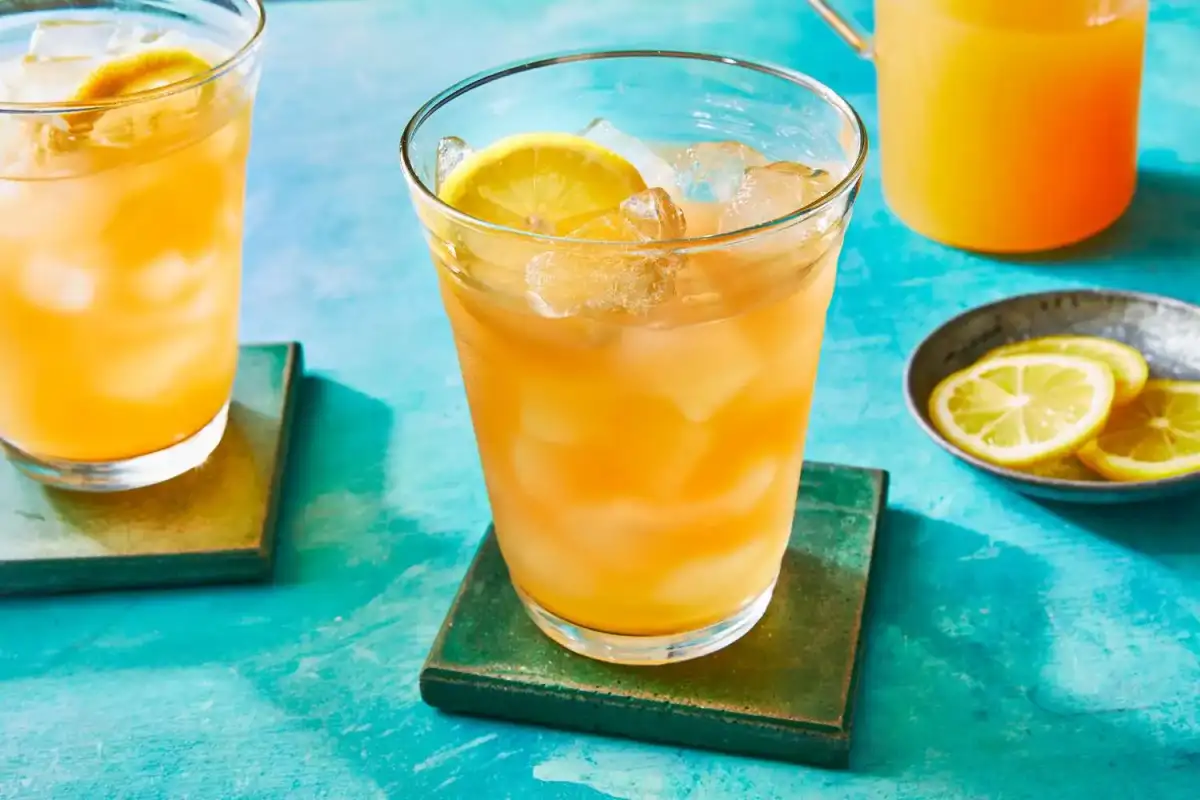
The spritz, particularly those featuring Aperol or Campari, remains a prominent fixture. Its historical roots, dating back to 19th-century Italy, are sometimes referenced, highlighting its enduring appeal as an aperitif. Variations now include elderflower liqueur, limoncello, and amari like Ramazzotti and Cynar, suggesting a continued exploration of complex, bitter, and sweet profiles within the spritz framework.
Read More: King Arthur Cafe Site Becomes Tino Bistro in Late April
Home Bartenders Encouraged
A recurring theme across various publications is the accessibility of these spring cocktails for home preparation. Many recipes are presented as straightforward, requiring minimal specialized equipment. Suggestions for creating "spritz bars" at home indicate a trend towards interactive and personalized entertaining, where guests can customize their drinks.
Contextual Background
The annual resurgence of spring-themed cocktail recipes typically begins in late February and early March, as publications anticipate the shift in seasons and consumer interest. These articles serve to guide readers in adopting seasonal beverage trends, often tying into broader lifestyle themes of outdoor entertaining and fresh eating. The inclusion of mocktail options reflects a growing market segment seeking non-alcoholic alternatives that still offer complex flavors and sophisticated presentation.