:max_bytes(150000):strip_icc()/Rhubarb-Sour-FT-MAG-RECIPE-0325-8b019bb8ae774861bb954b9fc87e0936.jpg)
Familiar Flavors, Evolving Forms Define Spring's Cocktail Landscape
This spring, the act of preparing drinks for warmer weather appears to be less about radical invention and more about a refined appreciation for established profiles, with certain spirits and flavor combinations repeatedly surfacing across diverse culinary publications. The trend leans towards refreshing, often citrus-forward profiles, with an emphasis on ingredients that evoke seasonality, such as elderflower, rhubarb, and various fruit essences. Ready-to-drink options also continue to hold a significant space, suggesting a persistent demand for convenience alongside artisanal preparation.
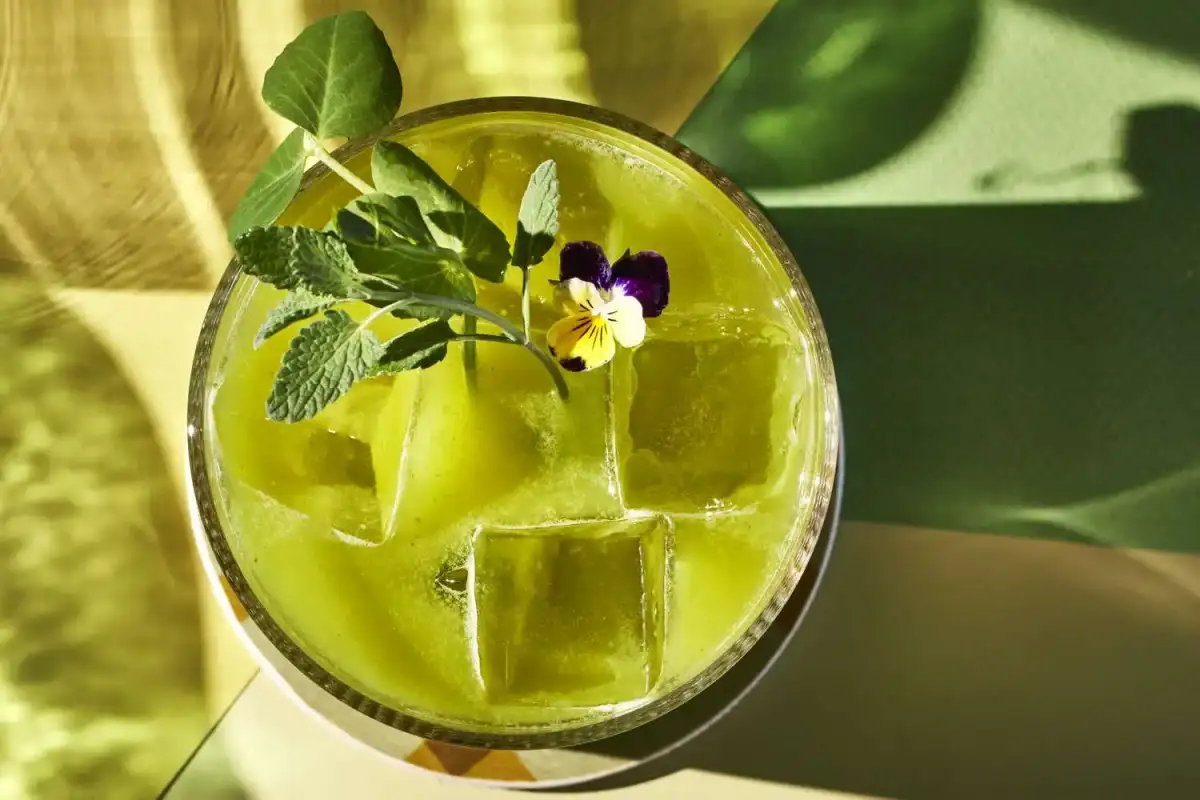
A noticeable pattern in the discussions surrounding spring beverages involves the integration of gin and elderflower liqueur, frequently paired with citrus elements like grapefruit and lemon. This combination surfaces in multiple recipes, hinting at a widespread appeal for its light, floral, and slightly tart character. For instance, one compilation details a drink featuring Bombay Sapphire gin, St-Germain elderflower liqueur, Lillet Blanc, and grapefruit juice, while another suggests a simple build with Bombay Sapphire and elderflower. Similarly, Dewar's 12 Year Old is noted in recipes that combine it with elderflower and citrus, indicating a preference for its profile in these lighter spring applications.
Read More: King Arthur Cafe Site Becomes Tino Bistro in Late April
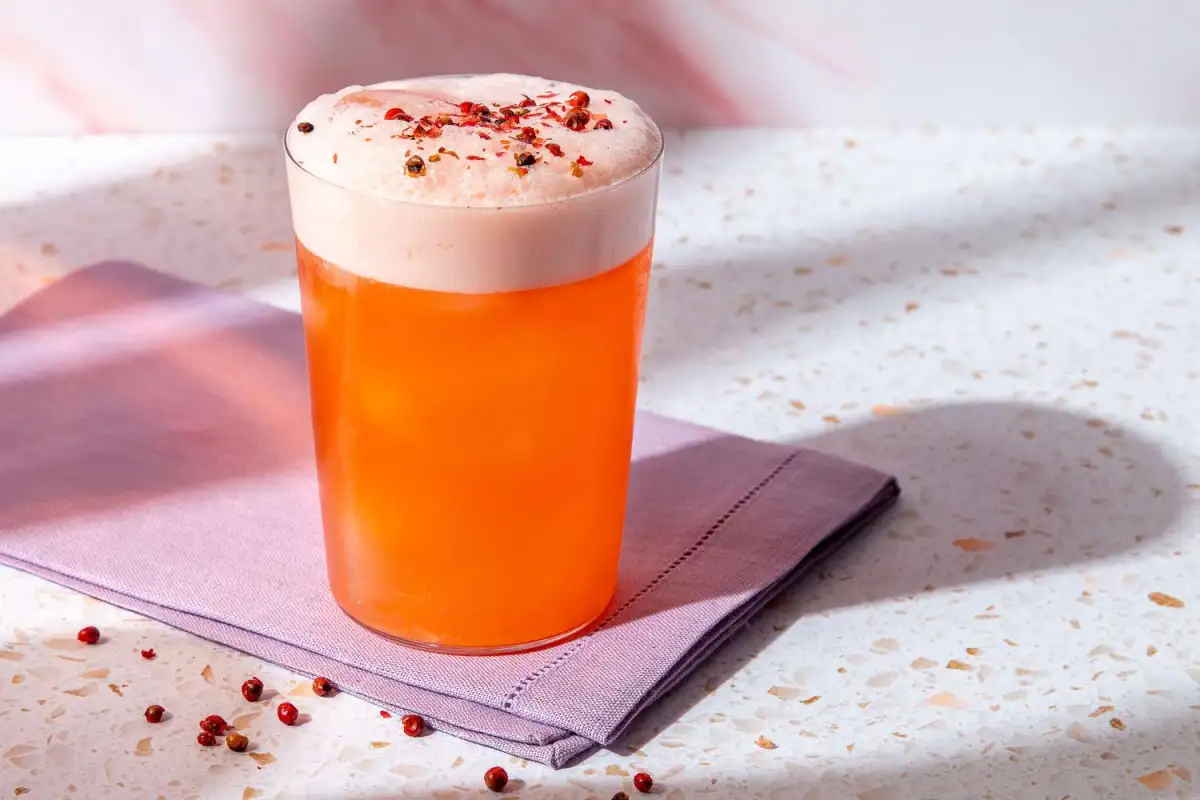
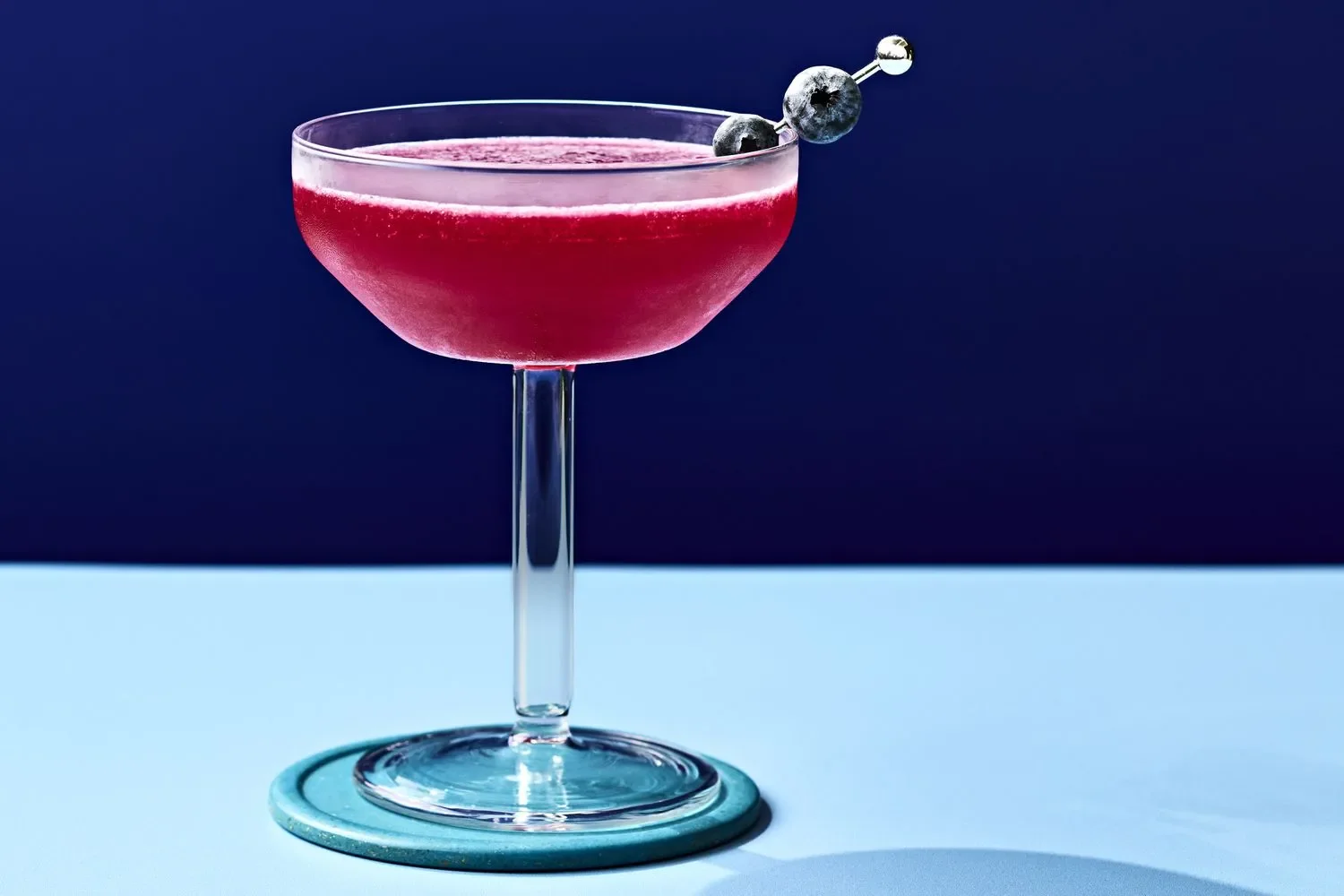
Beyond the elderflower-gin nexus, rhubarb emerges as a distinct seasonal highlight, appearing in a rhubarb gin sour. This recipe, described as tart, bittersweet, and herbaceous, incorporates a rhubarb-infused simple syrup and an egg white for texture, presenting a more complex, craft-oriented approach. This contrasts with simpler, yet equally seasonal, concepts like shrub cocktails, such as the Sharab Rose Raspberry Shrub, which offers a non-alcoholic option with bright, floral notes.
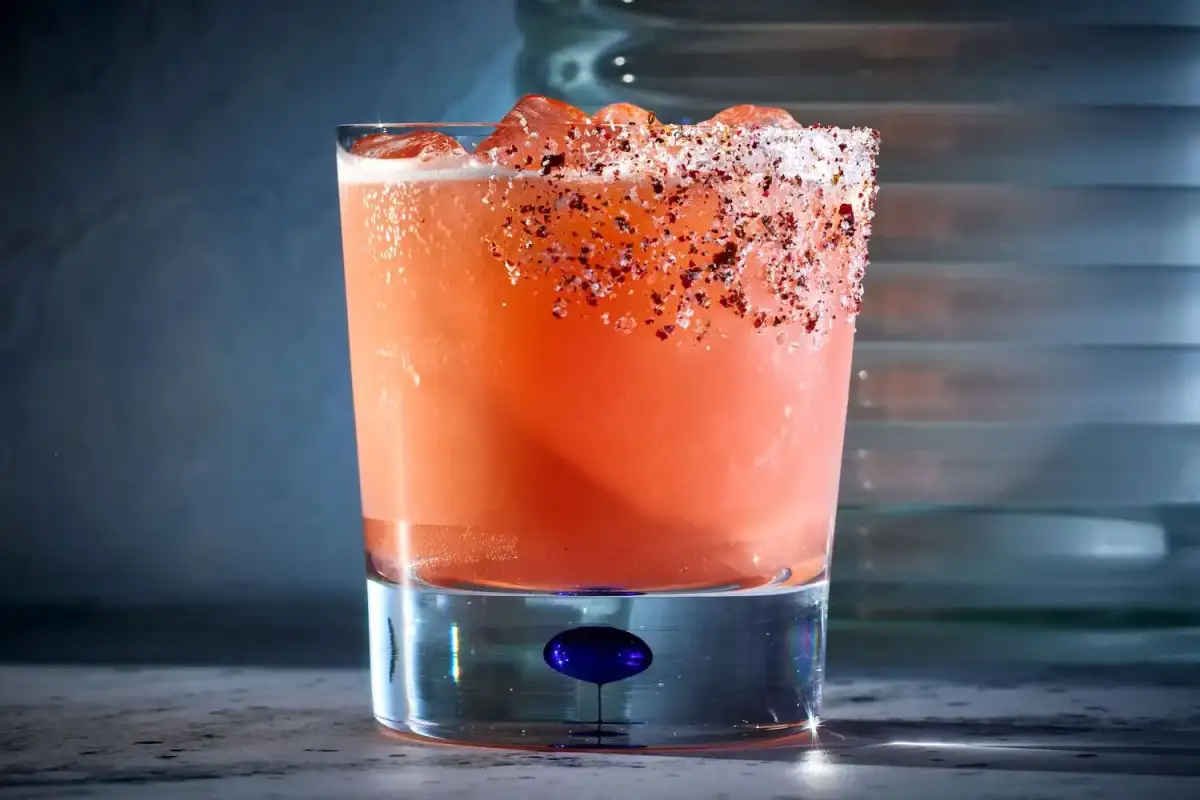
The recurring mention of grapefruit is also noteworthy. It appears in variations of margaritas and palomas, often paired with chili salt or sugar for a spicy counterpoint. This suggests an appetite for drinks that balance sweetness with a kick, a characteristic that aligns with the anticipated shift towards outdoor dining and more robust flavor experiences.
Read More: What guests notice when entering your home in April 2026
A Look at Specific Trends and Ingredients
The recurring ingredients and styles across various publications paint a picture of a season characterized by:
Citrus Dominance: Lemon, grapefruit, and lime are foundational, appearing in numerous recipes, from sours to margaritas.
Floral Accents: Elderflower and rose water are employed to impart a distinctly spring-like aroma and taste.
Fruit Integration: Berries (raspberry, blackberry) and tropical fruits (mango, pineapple) are used, often in conjunction with herbs like basil.
Lower-ABV Options: There's a noticeable inclusion of cocktails and mocktails designed for lighter enjoyment, suitable for extended outdoor gatherings.
Ready-to-Drink and Batch Preparations: The convenience of pre-made or easily scalable drinks is acknowledged, catering to larger social events.
Spirit Versatility: While gin and whisky appear frequently, tequila also finds a place, particularly in variations of popular classics.
Contextualizing the Seasonal Shift
The articles, predominantly published in early to mid-April 2026, with a few outliers from March 2023 and January 2024, reflect an immediate preoccupation with seasonal beverage choices. The timing suggests these discussions are closely tied to the arrival of warmer weather and the cultural anticipation of outdoor social activities. The explicit mention of "warmer days ahead" and "opening the windows on that first warm April day" in one piece [Epicurious] grounds these cocktail recommendations in a direct response to environmental and temporal cues. The prevalence of these themes indicates that, for many, the transition into spring is marked by a distinct recalibration of their drinking habits, favoring lighter, brighter, and often more fruit-forward or floral concoctions. The inclusion of mocktail options also signals a broader trend toward inclusive entertaining, accommodating a wider range of preferences and abstinent choices.