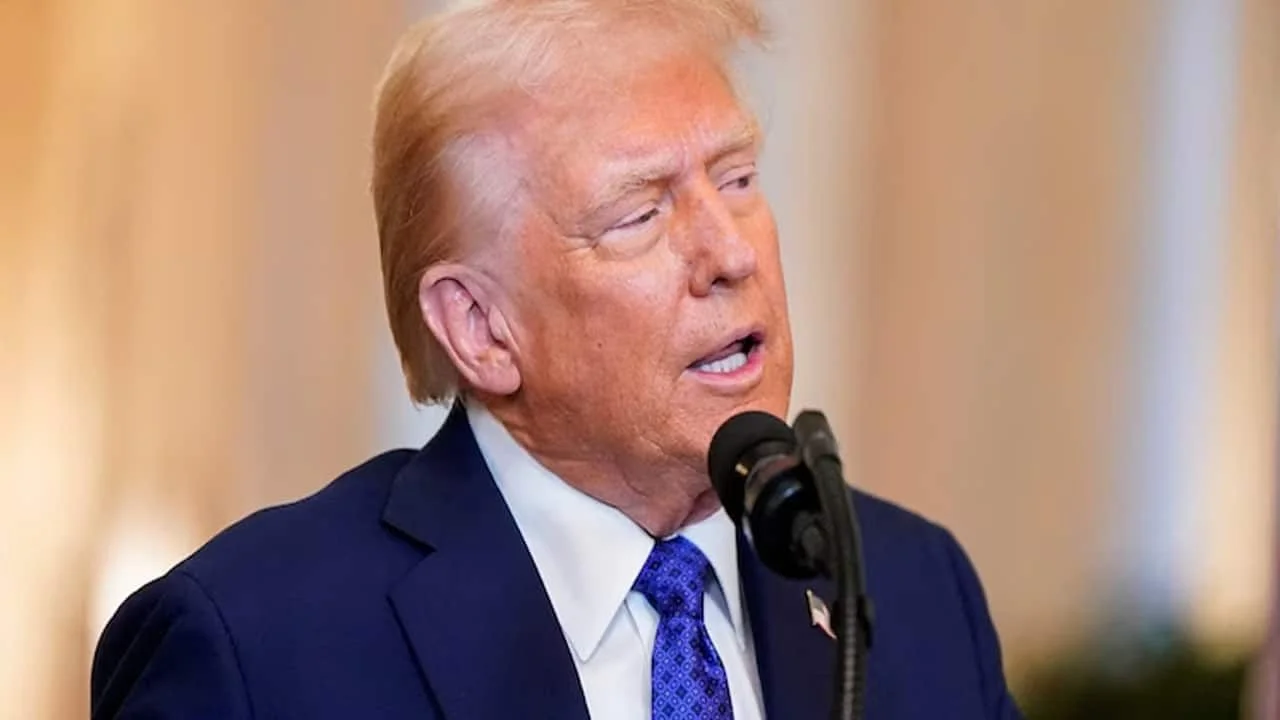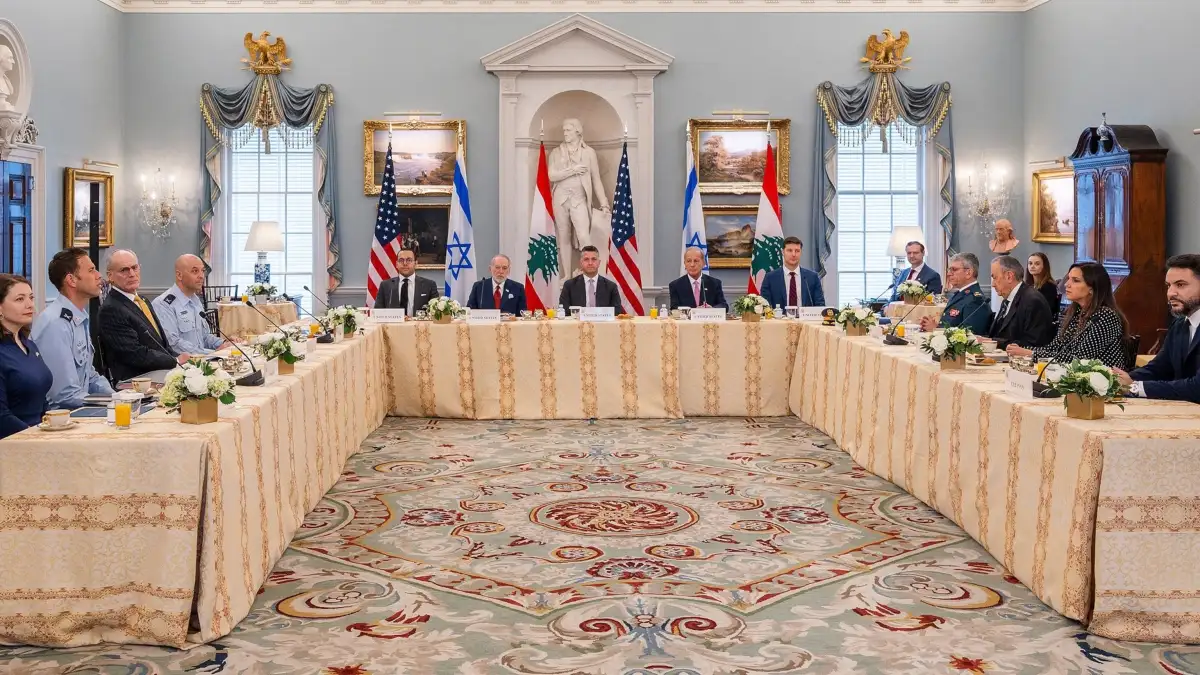
President Donald Trump has asserted that negotiations with Iran are progressing in a constructive and orderly manner, aiming to finalize an agreement. This declaration comes despite a history of conflicting statements from both Washington and Tehran regarding the status of these discussions. Trump stated on Sunday, May 24, 2026, that while progress is being made, there is no need to rush the process to ensure the deal's soundness.

Trump's recent pronouncements suggest a shift from earlier, more forceful rhetoric. He has previously warned Iran, stating they "better get moving, FAST, or there won’t be anything left of them," and that "TIME IS OF THE ESSENCE!". These strong warnings contrasted with his expressed openness to dialogue, even as he questioned who he was dealing with.

Iran, meanwhile, has on multiple occasions denied any direct engagement with Washington concerning peace talks or a proposed ceasefire plan. Reports from late March 2026 indicated that while the U.S. claimed talks were underway, Iran disputed these assertions, highlighting a persistent disconnect in public messaging.
Read More: Trump Iran MOU: Trust and Skepticism Explained for US Citizens
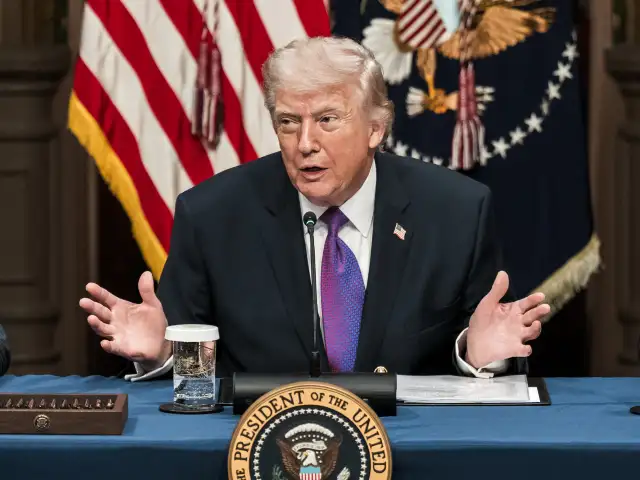
The core of the negotiations appears to center on Iran's nuclear ambitions and its regional activities. Trump has stressed that Iran "must comprehend it cannot have a nuclear weapon," indicating that the current discussions are fundamentally different from the prior Joint Comprehensive Plan of Action (JCPOA). Reports suggest U.S. negotiators believe a broader peace deal would involve Iran relinquishing its nuclear aspirations and enriched uranium.
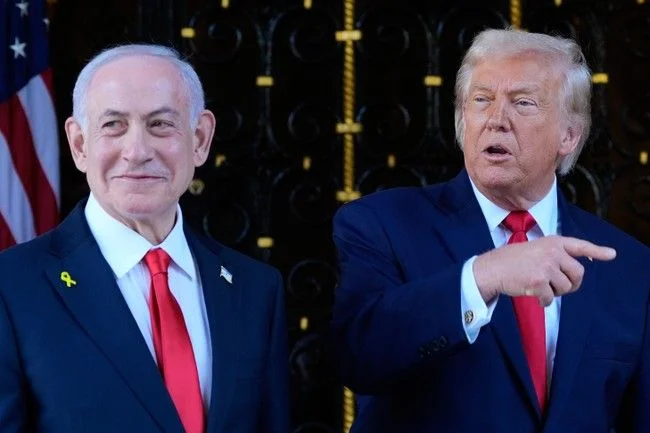
Shifting Stances and Demands
President Trump's administration has put forth a 15-point ceasefire plan delivered to Iran through Pakistan. Initially, U.S. and Israeli focus during a prior conflict was on Iran's nuclear program. However, during the current war, the stated U.S. objective has shifted towards advocating for regime change in Iran. Iran’s own demands, as part of ending hostilities, reportedly include the cessation of its support for regional proxies.
Read More: Spencer Pratt's political moves show anger, not party loyalty
Regional Dynamics and Past Warnings
The diplomatic maneuvering unfolds against a backdrop of regional unease. Iran's Gulf neighbors are reportedly losing patience with the Islamic Republic, particularly following attacks on their energy infrastructure. Military analysts have considered various attack scenarios, with U.S. troop deployments suggesting a potentially time-limited operation rather than a protracted ground campaign.
Earlier in May 2026, Trump’s tone was notably sharper. He publicly criticized a prior ceasefire as "unbelievably weak" and "a piece of garbage" after disagreeing with Iran's response to a peace deal proposal. This intensified language echoed previous threats, such as warnings of Iran’s potential “annihilation” if a deal was not reached.
Trump has also acknowledged partners in the Middle East for their support in pursuing an agreement and has alluded to the possibility of additional countries joining the Abraham Accords. His recent comments on Truth Social indicate a belief in rapid progress toward a deal, emphasizing a more "professional and productive" relationship between the U.S. and Iran.