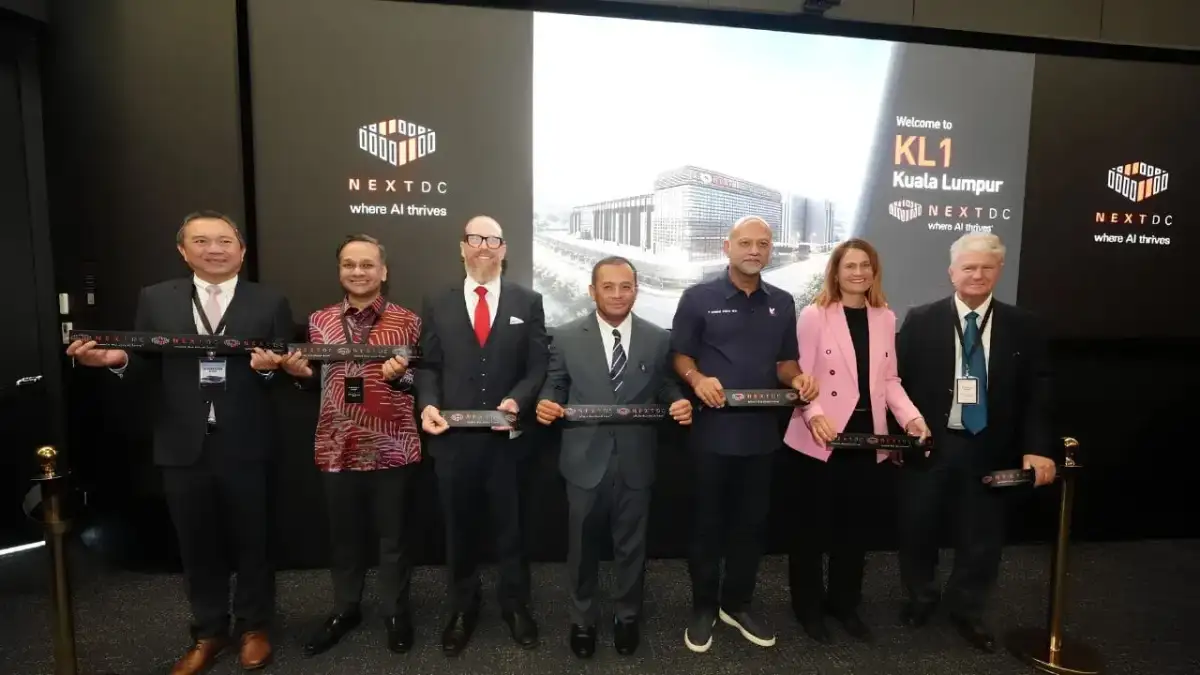
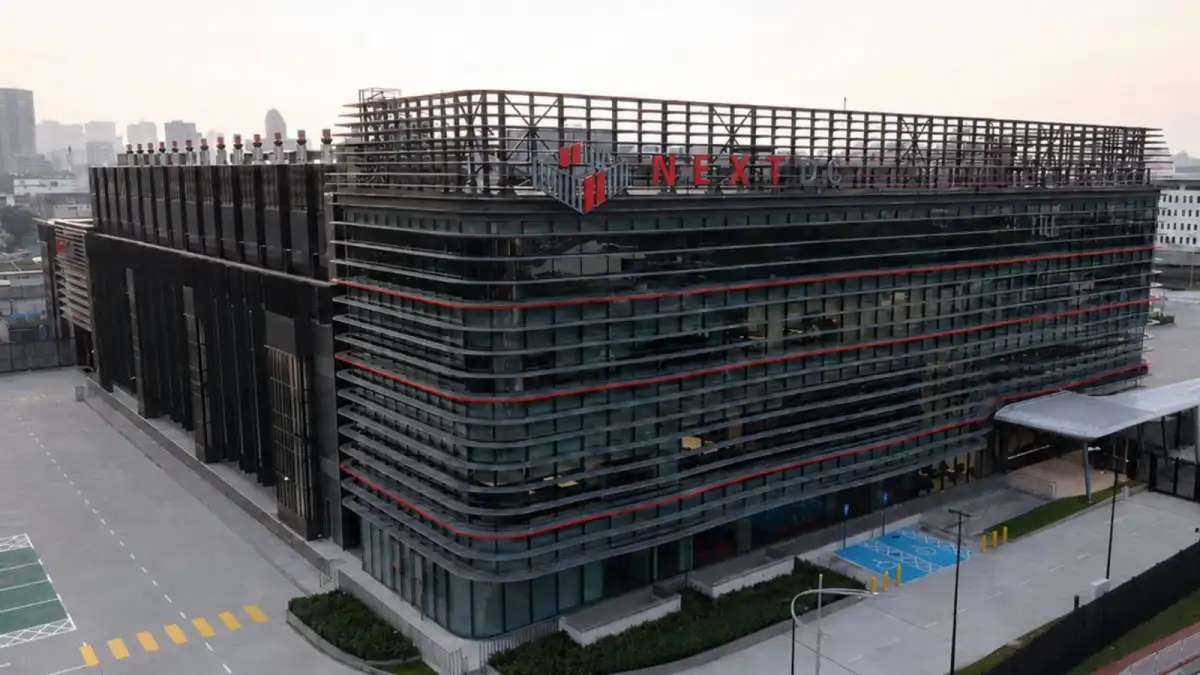
NEXTDC Limited, an Australian digital infrastructure provider, has officially launched its first international data centre, KL1 Kuala Lumpur. The facility, situated in the Klang Valley, represents a A$1 billion (RM2.8 billion) investment and is positioned as a strategic hub for artificial intelligence (AI) and high-performance computing in Southeast Asia.
The KL1 facility boasts a capacity of 65MW and is engineered to meet Tier IV design requirements, aiming to become the first Uptime Institute Tier IV-certified data centre in Peninsular Malaysia. This move signals NEXTDC's transition from a domestic Australian operator to a regional player, extending its "ecosystem-led model" into new markets.
The launch is framed as a boost for Malaysia's ambition to become a regional digital and AI hub, strengthening the "Australia-Asia digital corridor." Australian High Commissioner to Malaysia, Danielle Heinecke, noted NEXTDC's commitment as a "long-term investor" supporting Malaysia's digital economy. The facility is intended to enable customers to access a network of cloud providers, carriers, and technology alliances.
Read More: Chrome mimeHandler API lets extensions handle file types
NEXTDC’s expansion into Malaysia comes amid a growing data centre market in the region, with other operators also announcing investments. The company stated that the KL1 facility is purpose-built to support "next-generation AI and high-performance computing workloads" and that engagement with federal and state agencies preceded its construction. Concerns regarding the use of potable drinking water in digital infrastructure development were also mentioned by a NEXTDC representative.
The company, which describes itself as where "the cloud lives®," is reportedly planning further data centre developments in New Zealand and Japan. The KL1 launch is presented as a response to increasing demand from regional customers requiring infrastructure across multiple jurisdictions, with a particular emphasis on the long-term demand for AI infrastructure, which is heavily reliant on energy availability.
Read More: TNG eWallet Changes to Financial Platform in Malaysia