Washington D.C. - A significant legislative snag has emerged regarding proposed federal funding for a highly anticipated, privately funded ballroom project associated with President Trump's administration. The Senate's parliamentarian, interpreting Senate rules, has blocked the inclusion of roughly $1 billion earmarked for White House security upgrades within an immigration and security spending package.
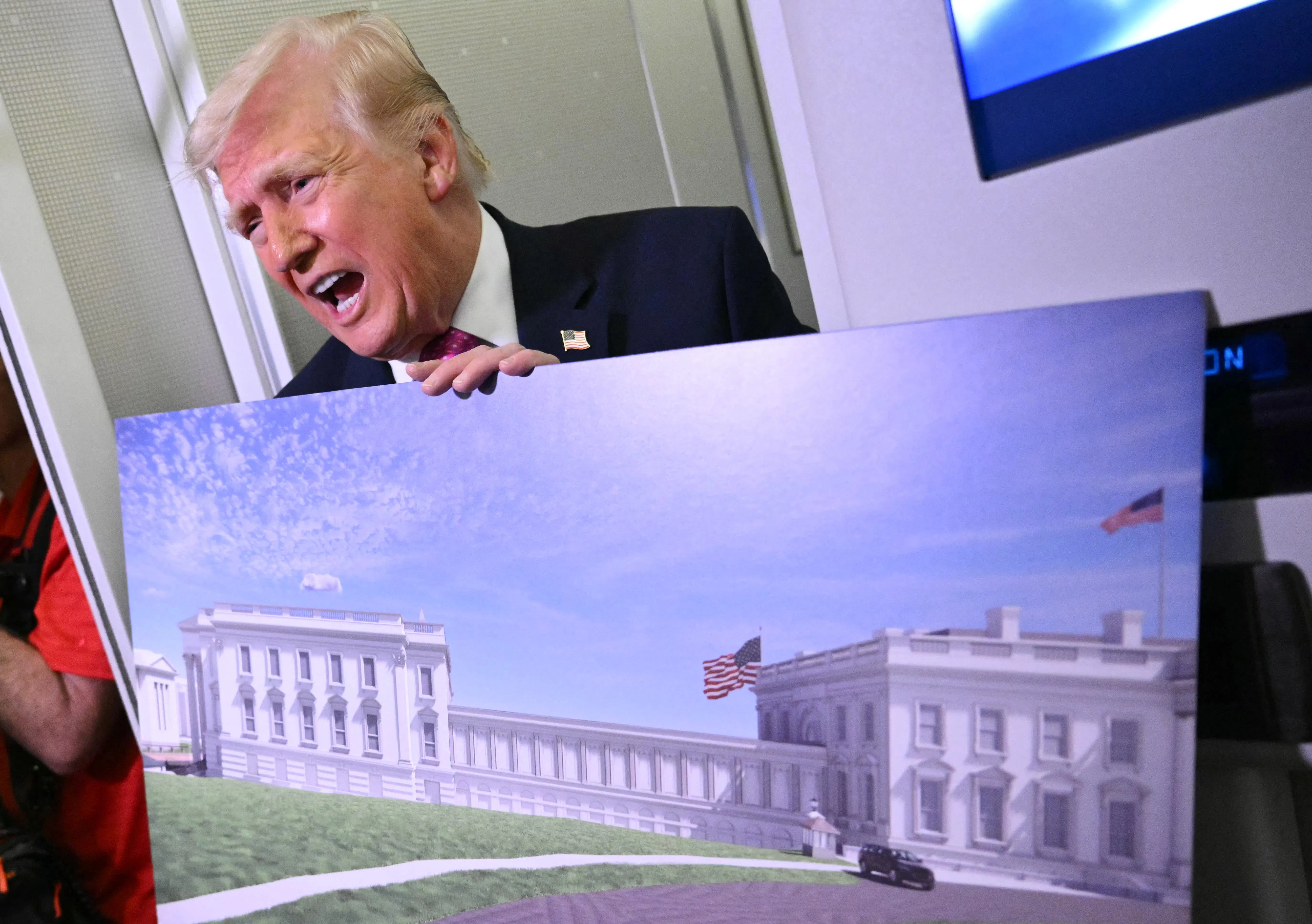
The ruling specifically targets provisions that would divert federal money towards security enhancements directly linked to the planned ballroom. While proponents, including Senate Republicans, have argued the funds are critical for modernizing infrastructure, bolstering security, and easing strain on existing White House facilities, the parliamentarian's interpretation found these provisions to be outside the scope of the approved immigration and security package.
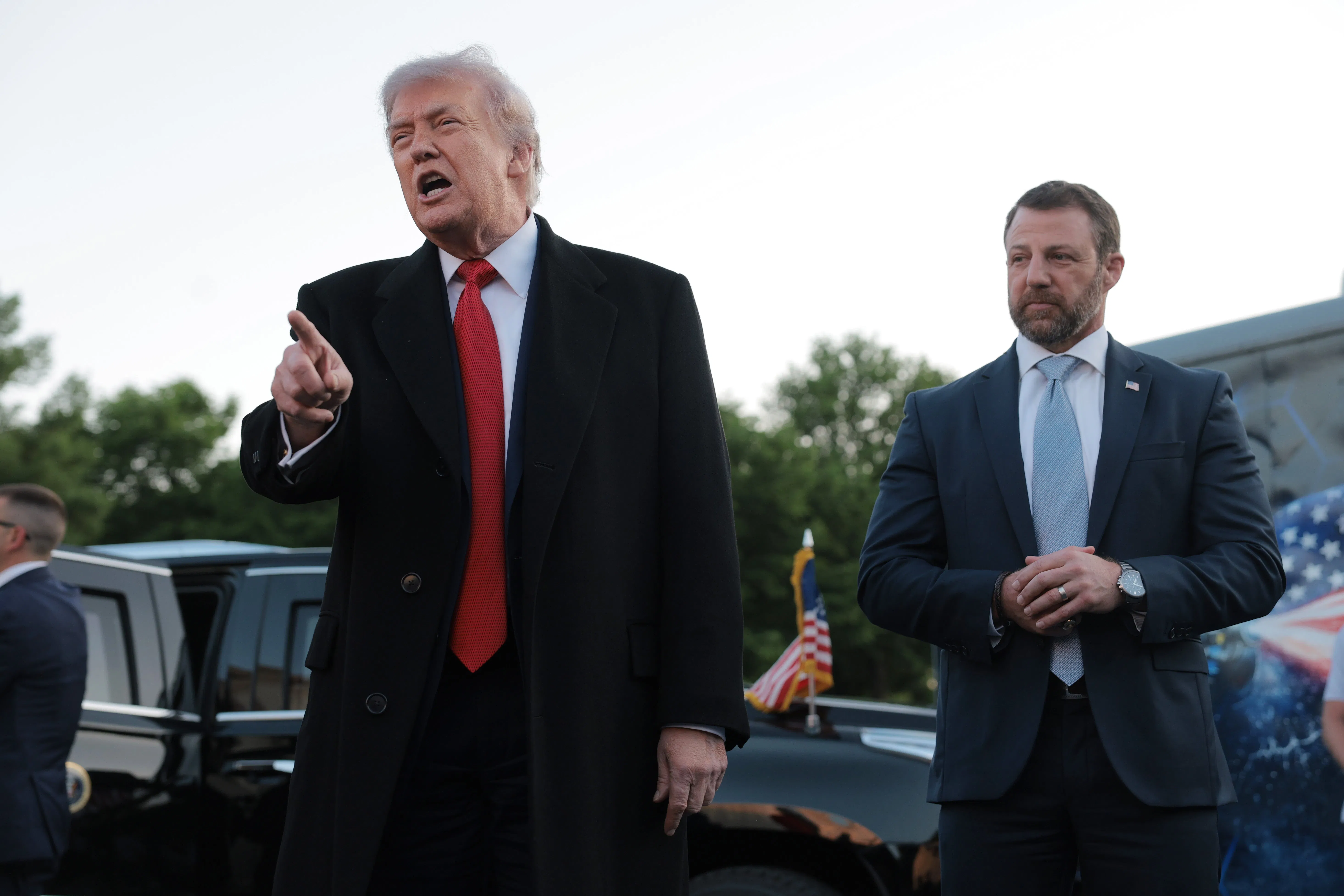
Security vs. Vanity Project
Republicans have championed the funding, framing it as a necessary measure for presidential safety. They cite recent events, such as an April incident involving a gunman at a black-tie media gala attended by the President, and a broader concern over potential cyberattacks or drone threats. The administration maintains that the ballroom itself is being funded privately, with hundreds of millions of dollars already secured through anonymous donations. This initiative, initially unveiled in July 2025 as the "East Wing Modernization Project," aims to provide a large, secure indoor venue for significant events like state dinners and press gatherings.
Read More: Wes Streeting wants UK back in EU customs union
However, Democrats have vehemently opposed the measure, viewing the ballroom as a politically charged "vanity project." Senate Minority Leader Chuck Schumer has criticized the allocation, stating, "Republicans looked at families drowning in bills and decided what they really needed was more raids and a Trump ballroom." The dispute intensified following Democrats' earlier obstruction of funding for Immigration and Customs Enforcement (ICE) due to concerns over federal immigration agents' conduct, particularly after the deaths of two protestors, Renee Good and Alex Pretti, in Minnesota earlier this year.
Legislative Maneuvering
Despite the setback, Senate Republicans, who hold a majority, retain the option to revise the legislation in an attempt to circumvent the parliamentarian's ruling. The proposed security funding was included in a resolution by Chuck Grassley, the Republican chair of the Senate judiciary committee, outlining the party's plan for the immigration enforcement spending bill. This bill is a central component of a larger Republican strategy that recently saw Congress reopen the Department of Homeland Security after a 75-day funding impasse. Democrats had previously withheld approval for the department's appropriations unless the Trump administration agreed to new restrictions on immigration enforcement operations, a compromise that failed to materialize. The committee is slated to review this resolution in an upcoming hearing. The parliamentary decision means any ballroom-related funding may not reach the Senate floor for several weeks.
Read More: Kamala Harris leads polls after Biden quits election race