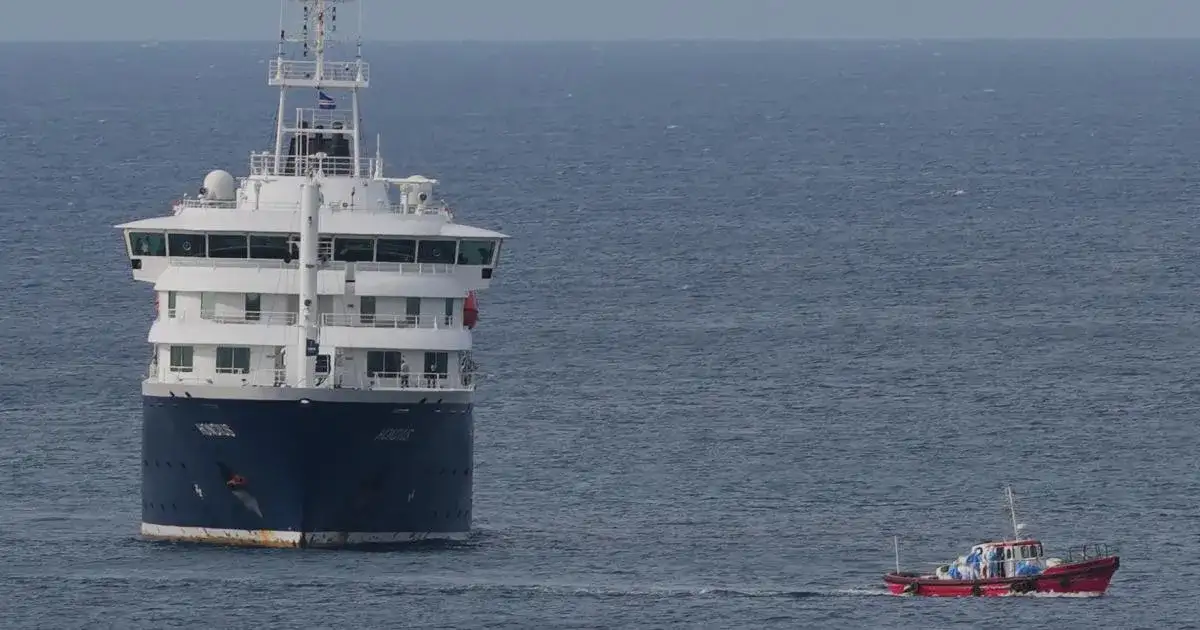
Three passengers have died and others evacuated as health authorities grapple with a suspected hantavirus outbreak aboard the MV Hondius cruise ship. The vessel, operated by Oceanwide Expeditions, carries close to 150 individuals from 23 nationalities. The World Health Organization (WHO) is investigating, with initial reports suggesting a possible rare human-to-human transmission of the virus.
A British crew member and two seriously ill individuals, evacuated earlier, are receiving treatment in the Netherlands. Three suspected cases were evacuated from the ship and are en route to the Netherlands for medical care. Another individual, a UK national, was evacuated to South Africa and is critically ill. The first confirmed case is a Dutch woman, who died; her husband also died on board but is not a confirmed case. A German national also died on May 2nd.
Read More: Two Britons Self-Isolate After Hantavirus Cruise Exposure
Tracing and Evacuation Efforts Underway
Authorities are working to trace passengers and crew, including efforts to identify those who may have traveled with victims before disembarkation. The WHO is investigating the origins of the virus on the ship, with the first reported symptoms appearing on April 6th. Medical evacuation plans were in motion, and the Spanish government has agreed to allow the ship to dock in the Canary Islands.
The Dutch operator, Oceanwide Expeditions, stated the first report of hantavirus came "after disembarkation at St Helena." The company maintains it acted promptly following the first identified case on May 4th.
Background on Hantavirus
Hantaviruses are a group of viruses that can cause two types of illness in humans: hantavirus pulmonary syndrome (HPS) and hemorrhagic fever with renal syndrome (HFRS). HPS is a rare but serious respiratory disease caused by inhaling infectious particles, often from rodent droppings, urine, or saliva. While transmission is typically through rodents, the WHO has indicated the possibility of rare human-to-human transmission in this cruise ship scenario. There is no specific vaccine or treatment for hantavirus, and management focuses on supportive care. Symptoms can include fever, severe headache, chills, and gastrointestinal problems, progressing to respiratory distress in severe cases.
Read More: Lewis Moody diagnosed with Motor Neurone Disease, seeks to raise awareness