

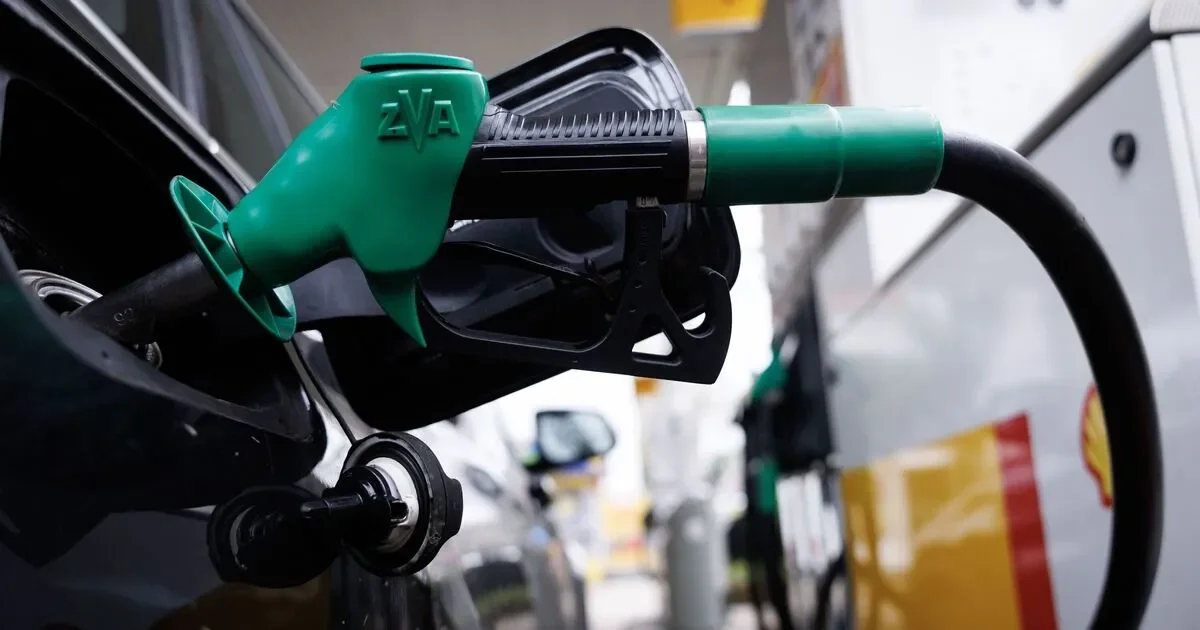
Energy Giant's Earnings Exceed Expectations, Fueled by Geopolitical Upheaval
Shell announced a substantial increase in profits for the first three months of the year, reporting $6.92 billion (£5.1 billion). This figure surpassed analyst expectations, which had hovered around $6.1 billion according to LSEG data. The rise is directly linked to the sharp escalation in oil prices following the commencement of the war involving Iran.

The conflict, particularly its impact on the strategically vital Strait of Hormuz, has been described by the International Energy Agency as the most significant energy security threat in history. This disruption has widened the gap between the buying and selling prices of oil, a scenario that typically benefits oil traders and contributes to larger profit margins.

Profit Boost Echoes Across Sector
Rival energy firm BP also reported significantly improved profits for the same period, indicating a broader trend within the sector. BP's earnings for the first quarter of the year more than doubled. This suggests that the market conditions created by the ongoing conflict are broadly advantageous for major energy corporations.
Read More: Tokyo Stocks Rise Over 5% on U.S.-Iran Deal Hopes

Operational Disruptions and Market Impact
Shell's performance was further influenced by an attack on its Pearl gas facility in Qatar in March, which halted production and is expected to take about a year to repair. Despite this, the company's oil trading operations saw a notable surge, capitalizing on the chaotic global energy markets. Long-term LNG contracts, however, experienced a pricing lag.
The international crude oil price climbed dramatically, moving from approximately $61 a barrel in January to highs of $119 by the end of March, and again in late April. At one point last week, crude prices reached $126 a barrel, the highest in four years, before a brief dip amid tentative hopes for a peace deal, though prices remain above $100 a barrel.
Campaigner Criticism Mounts
The "windfall" profits have drawn sharp criticism from climate campaigners. They argue that energy companies are profiting from a crisis that is simultaneously pushing millions towards hunger and hardship. This sentiment echoes concerns raised about BP, which faced accusations of profiting at the expense of households facing soaring fuel costs and potential increases in energy bills.
Read More: IS Families Return to Australia Today at Melbourne Airport
Background: The Iran War and Energy Markets
The conflict involving Iran, which began in February, has been the primary catalyst for the dramatic shifts in global energy prices. The disruption to oil and gas flows through the Strait of Hormuz, a critical chokepoint for global energy trade, has created an unprecedented energy security challenge. This geopolitical event has directly translated into increased revenue for major oil and gas producers and traders.' Shell ' ' Iran War ' ' Oil Prices '


