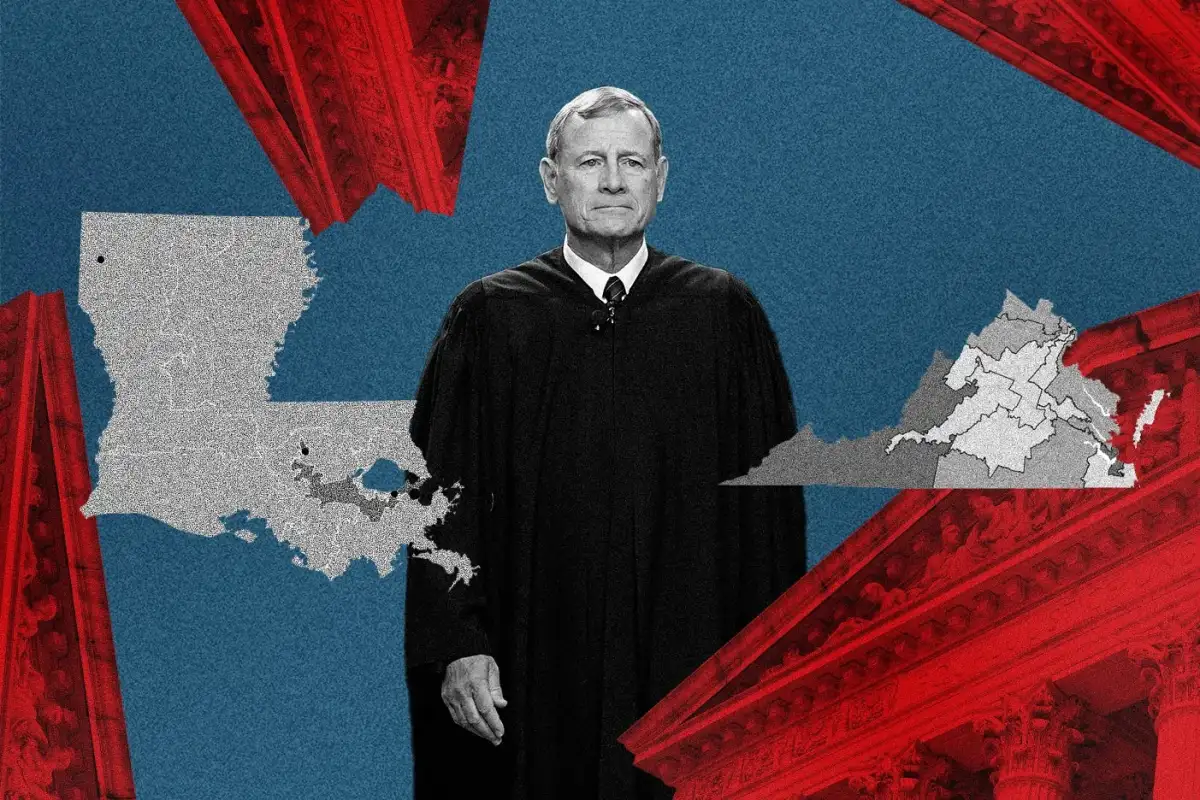
The ongoing shifts in how electoral maps are drawn, particularly following recent state-level decisions and legislative maneuvers, are poised to significantly influence the balance of power in the United States Congress by 2026. These redistricting efforts, some occurring mid-decade and others reflecting partisan directives, are already generating measurable impacts on the potential for party gains and losses in upcoming elections.

GOP Edges Ahead in Mapmaking Maneuvers
Republicans appear to be gaining traction in the intricate process of redrawing congressional districts. Recent developments suggest a tactical advantage for the party in shaping maps that could translate into more seats.

In Ohio, a new map, while not guaranteeing an immediate large windfall, could add two Republican seats. Crucially, it means Democrats likely won't achieve the four-seat gain they might have otherwise secured. This alters the calculus for Democrats aiming to break the Republican Speaker's narrow majority, potentially requiring them to flip over ten seats instead of the initial three.
A study prior to a key court decision indicated that a highly favorable ruling could grant Republicans well over a dozen seats.
In Indiana, lawmakers recently passed a new map that observers suggest could help the GOP secure two additional seats.
A ruling in Texas followed directives from Donald Trump earlier in the summer, aimed at tilting five seats toward the Republican party.
A Florida House committee has begun its redistricting discussions, signaling similar efforts are underway in other key states.
Mid-Decade Redistricting Sparks Partisan Conflicts
The practice of redistricting mid-decade, an unusual move, has ignited a developing partisan conflict over House seats, with both Democrat-led and Republican-led states redrawing their maps.

The battle over congressional maps commenced over the summer in Texas.
California is also engaged in its own redistricting processes, with Governor Gavin Newsom reportedly involved.
The redistricting actions have consequences beyond just the immediate election cycle. As seen in the context of Donald Trump's previous term, shifts in House representation occurred, with Republicans losing 40 seats and Democrats eventually taking the majority.
Potential Impact of Related Legislation
Separately, the proposed Safeguard American Voter Eligibility Act (SAVE Act), or SAVE America Act, could indirectly affect electoral outcomes.
Read More: Trump Beijing Summit: Sanctions on Iran Oil Buyers May Lift

This legislation aims to alter voter registration requirements nationwide by mandating documentary proof of citizenship, replacing current sworn-attestation systems and eliminating federal-only voting options in states like Arizona.
The bill faces a significant hurdle in the Senate, as current indications suggest a lack of sufficient Republican support to overcome the filibuster, requiring 60 votes for advancement.
Background on Redistricting
Redistricting, the process of redrawing electoral constituency boundaries, is typically undertaken every ten years following the U.S. Census. The Census Bureau reports population changes, which guide the reapportionment of the 435 seats in the House of Representatives among states. This reapportionment ensures that each state's representation in the House reflects its population size. The current mid-decade adjustments represent a departure from the standard decennial cycle, introducing a layer of flux into the political landscape.