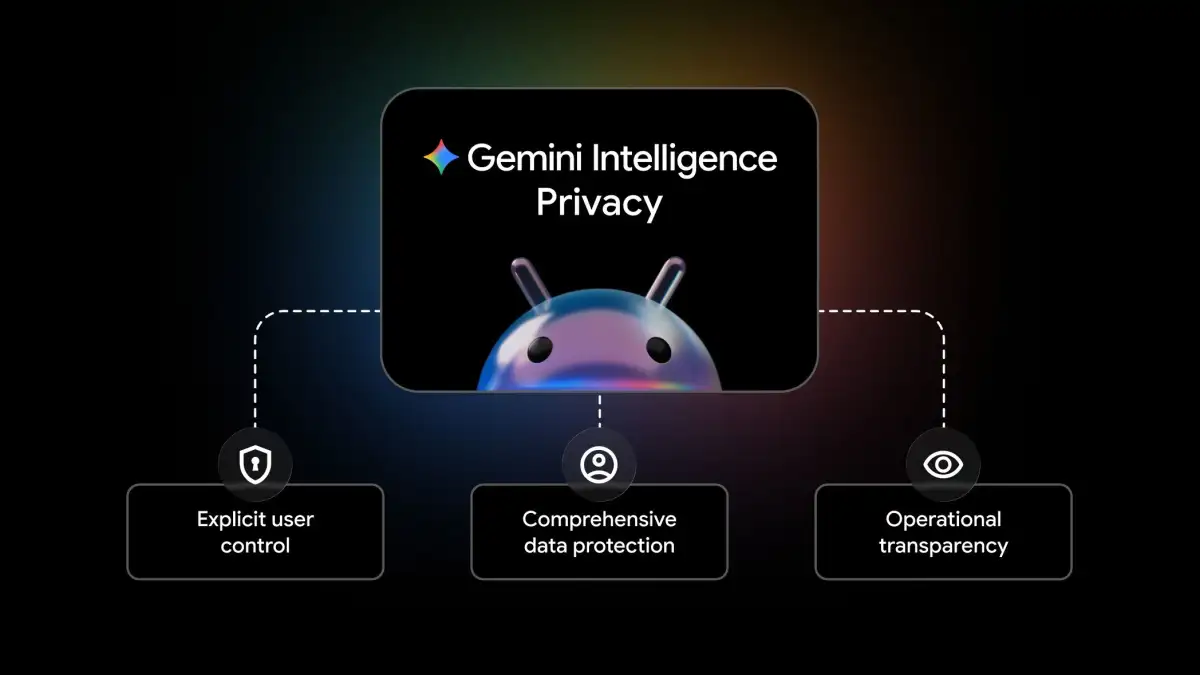
Google's annual developer conference, Google I/O 2026, is set to unfold with a profound emphasis on artificial intelligence, particularly its Gemini suite of models. The event is anticipated to showcase substantial advancements and broader integration of AI across Google's diverse product landscape, from the foundational Android operating system to emerging hardware initiatives. The company appears poised to deepen its commitment to AI-driven automation and contextual understanding, aiming to weave these capabilities more intrinsically into the user experience across its platforms.

This year's I/O is expected to move beyond theoretical applications, presenting concrete demonstrations of Gemini's capabilities. Recent previews at events like "The Android Show" have already offered glimpses of Gemini Intelligence, a system designed to bring more automation and contextual awareness to Android. One particularly highlighted feature allows users to describe a desired widget, with Gemini then tasked to generate it, signaling a shift towards more intuitive and user-driven customization within the OS. Beyond this, Gemini is slated for further development, with speculation pointing towards advancements like Gemini 4.0 and potentially new agents, such as one referred to as "Remy."
Read More: Chrome mimeHandler API lets extensions handle file types
Android's AI Infusion and XR Ambitions
The Android operating system, a core component of Google's strategy, is expected to receive significant AI enhancements with the anticipated arrival of 'Android 17'. The integration of Gemini Intelligence is a key focus, promising improved performance, enhanced multitasking features, and new AI-powered tools directly embedded within the Android experience. This integration is not confined to mobile devices; it is also expected to touch other platforms, including Android Auto, ChromeOS, and the yet-to-be-fully-realized 'Aluminum OS', Google's desktop operating system built on Android, which is slated for a significant presence on 'Googlebooks'.

Google's foray into extended reality (XR) is also a prominent theme, with significant attention anticipated for 'Android XR'. This platform, designed for smart glasses and headsets, received a preview last year, but I/O 2026 may finally offer details on potential hardware releases. The company's broader hardware ecosystem is also under scrutiny, with potential updates on 'Google Home' devices, including the long-awaited 'Google Home Speaker', which has been officially announced but not yet available for purchase. Google is also expected to outline its long-term AI hardware strategy, suggesting a more cohesive vision for future device development.
Read More: Great American State Fair on National Mall faces low turnout July 2026
Broader AI and Ecosystem Developments
Beyond the immediate focus on Gemini and Android, Google I/O 2026 is also expected to delve into other AI advancements. This includes updates on other AI models, such as 'Nano Banana Lyria' and 'Veo', and potential upgrades to AI-powered search functionalities. The company's health-tracking initiatives, recently consolidated under 'Google Health' with the introduction of the displayless 'Fitbit Air' fitness tracker, are also expected to feature, with further details on how Gemini will be integrated into these health-monitoring products.
The conference will also provide a platform for updates on Google's broader software ecosystem. This includes Wear OS, Google TV, and ChromeOS. Google has already provided some insights into Android Auto updates, focusing on screen adaptations and improved in-car navigation experiences. The event, set to begin on May 19th, will serve as a critical juncture for Google to articulate its vision for the future, consolidating its advancements in AI and hardware while further shaping the trajectory of its software platforms. The context of these announcements is also framed by competitors, with Apple's WWDC lineup being revealed just prior to Google's developer showcase.
Read More: BEREC Asks for Mobile Network API Ideas from Developers
Background
Google I/O is the company's annual developer conference, typically held in the spring. It serves as a platform for Google to unveil new software, hardware, and strategic directions, directly engaging with developers who build applications and services on its platforms. The event has increasingly become a focal point for showcasing Google's advancements in artificial intelligence, a field where the company has invested heavily in recent years. The current iteration in 2026 follows a pattern of increasing AI integration, building upon previous announcements such as the launch of Gemini 2.5 Pro at last year's event. The timing of I/O, with major tech announcements from competitors like Apple often preceding it, shapes the narrative and competitive landscape of these reveals.