MOUNTAIN VIEW, CA — Google's annual developer conference, Google I/O 2026, kicked off today, May 19th, with a central focus on the pervasive integration of Artificial Intelligence (AI) across its product landscape. The company is expected to provide updates on its Gemini AI models, detailing new capabilities and potential pricing adjustments, alongside a push into more "agentic" AI endeavors. Furthermore, advancements in Android XR glasses and a unified operating system platform, tentatively named Googlebooks, are anticipated to feature prominently.
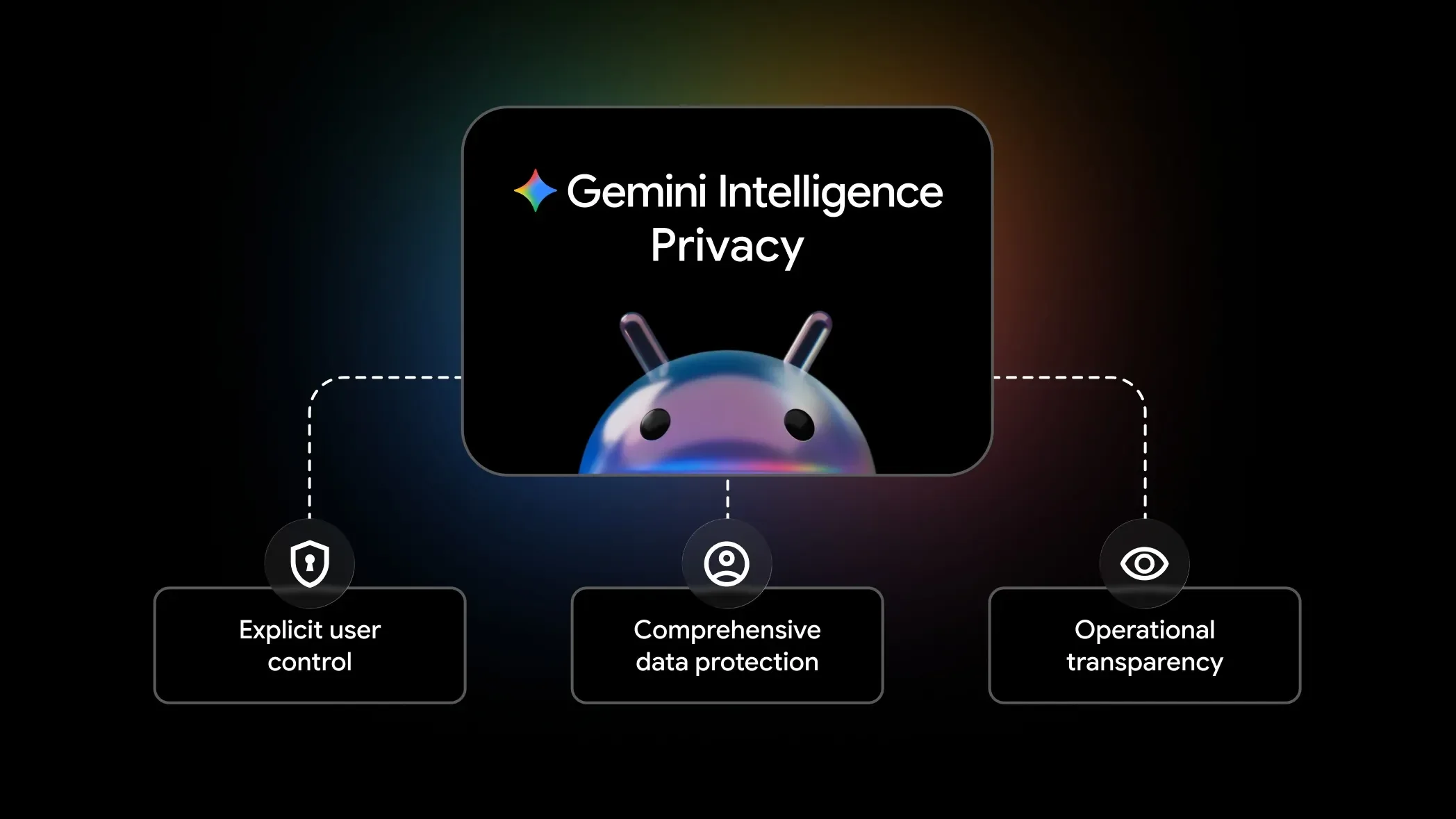
The event's keynote commenced at 10:00 am PT, marking the beginning of a two-day livestream of keynotes and sessions, with on-demand content, codelabs, and further announcements scheduled for May 21st. This year's I/O follows closely on the heels of the "Android Show," where Google previewed native Android app execution on Googlebooks and highlighted upcoming Android features, including what's described as "Gemini Intelligence."
Read More: NIST Draft API Security Rules For Businesses
AI at the Forefront: Gemini and Beyond
Google's strategic directive to weave AI into its core offerings is expected to be a dominant theme. Significant announcements concerning the evolution of Gemini are on the horizon. This includes:

New AI features being integrated more deeply into existing products.
Potential unveiling of a new pricing tier for Gemini services.
Enhanced Gemini capabilities within Android Studio, aiming to streamline Android development.
Demos of new user experiences for Search powered by AI.
Details on "agentic" AI efforts, suggesting AI systems capable of performing tasks more autonomously.
Further exploration of Gemini's agentic capabilities on Android devices.
XR Ambitions and a Unified OS
The realm of extended reality (XR) is also poised for a significant showing. Following last year's demonstrations of the Android XR platform and its associated partnerships, Google I/O 2026 is anticipated to present a more polished, consumer-oriented iteration of its smart glasses. This could include:
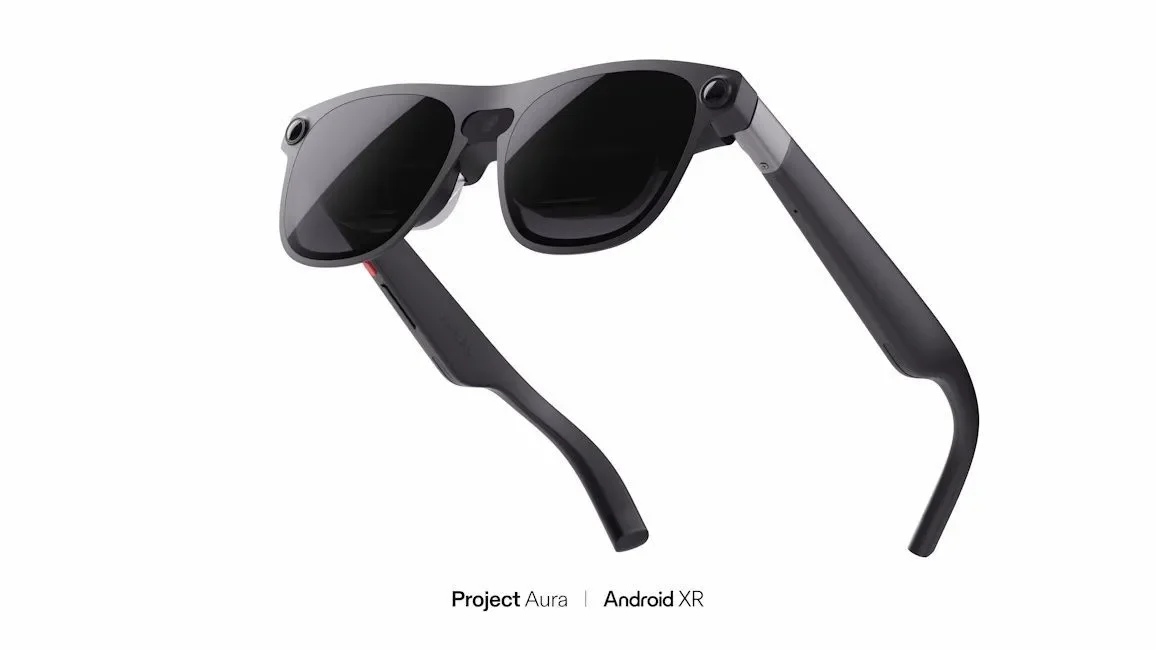
Final hardware details and a potential release date for Android XR glasses.
More extensive demonstrations of the XR technology.
Adding to the technological outlook is the recent announcement of Googlebooks, a new laptop platform featuring a merged operating system derived from Android and ChromeOS. This development hints at a more unified software ecosystem for Google's hardware ambitions.
Connecting Developers and Consumers
Google I/O 2026 serves as a crucial platform for connecting with developers, offering sessions and resources to foster innovation. The event is being livestreamed via the official Google I/O microsite and likely on YouTube, allowing a broad audience to follow the proceedings. Post-event, supplementary content including codelabs and on-demand sessions will become available.
Read More: Chelsea Flower Show Allows Gnomes After 99 Years
Background
Google I/O is the company's annual developer conference, typically held in the spring. Historically, it's been the venue for major product announcements, software updates, and strategic shifts. The conference aims to engage the developer community, showcase new technologies, and outline Google's future direction across its diverse range of products and services. This year's event is taking place against a backdrop of intense competition in the AI space, with tech giants globally vying for dominance in artificial intelligence research and application.