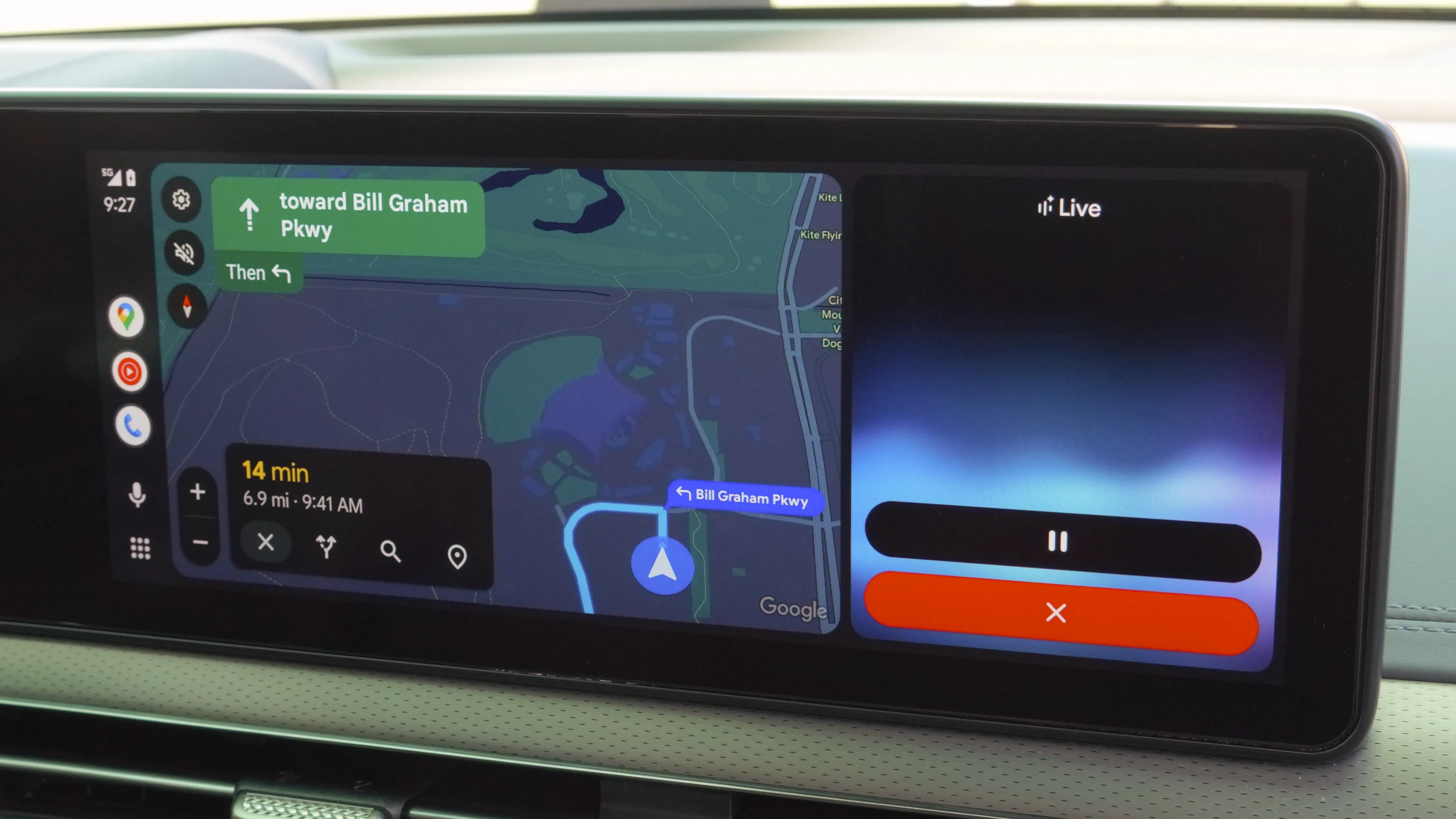
As of 21/05/2026, Google has finalized the transition of its in-car digital interface from the legacy Google Assistant to the generative model Gemini. This shift replaces command-based interactions with conversational AI across both Android Auto and vehicles featuring Google Built-in operating systems.
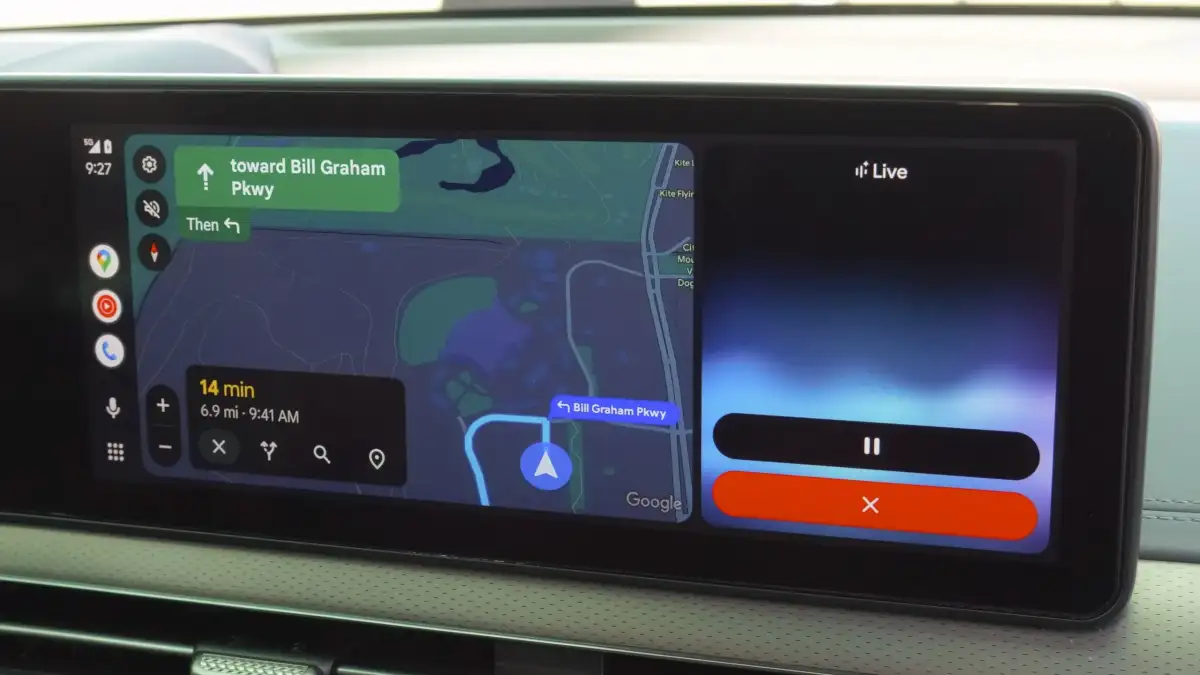
The system now exercises control over vehicle hardware—such as sunroofs and climate settings—while concurrently managing external logistics like food orders and real-time navigation inquiries.
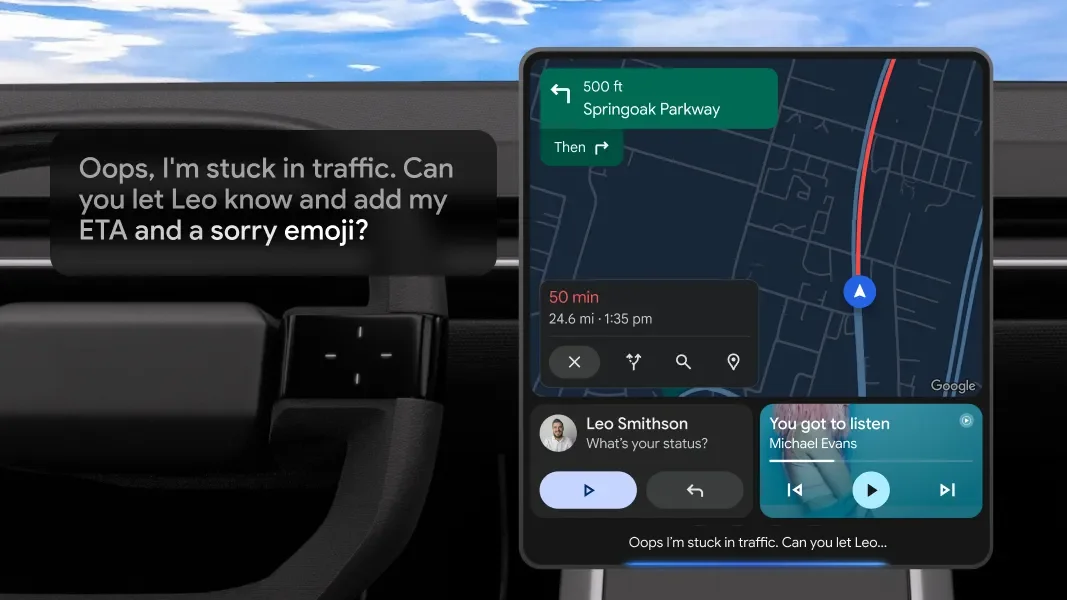
Operational Shifts in Human-Machine Interaction
The integration, which began its phased rollout in late 2025, changes how drivers interact with their vehicle's infotainment stack:
| Capability | Legacy Assistant | Gemini (Current) |
|---|---|---|
| Command Style | Fixed syntax/triggers | Natural language processing |
| Context | Single-task execution | Multi-step reasoning |
| Hardware Access | Limited/System-level | Integrated vehicle controls |
| Language Support | Fixed inventory | 40+ languages |
Vehicle Control: In cars with Google Built-in (such as select Volvo models), the model interacts with the car’s native operating system to adjust cabin physical parameters.
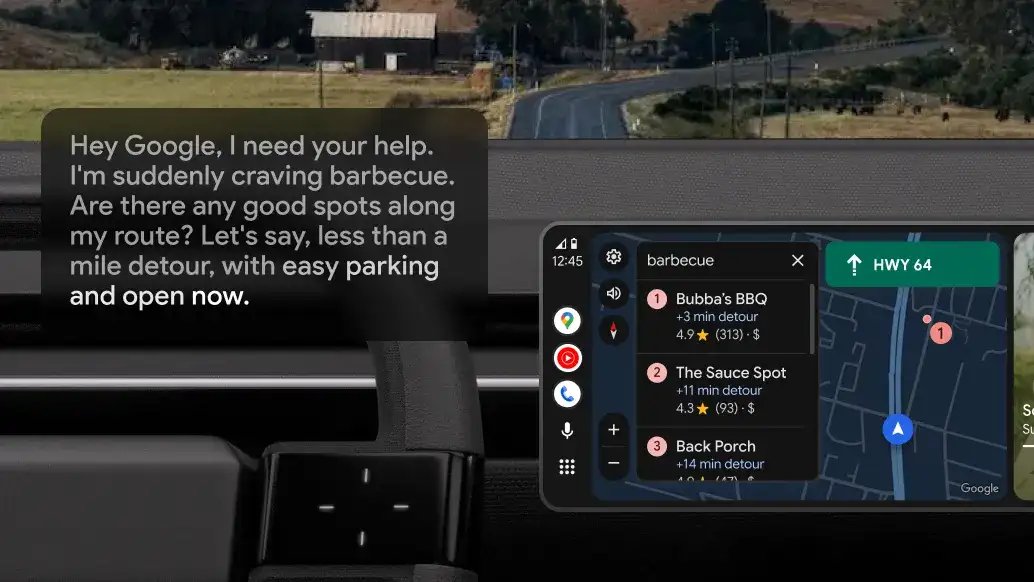
Contextual Assistance: The interface now provides real-time EV battery insights, location-based tourist information, and dynamic route planning that accommodates specific user requests.
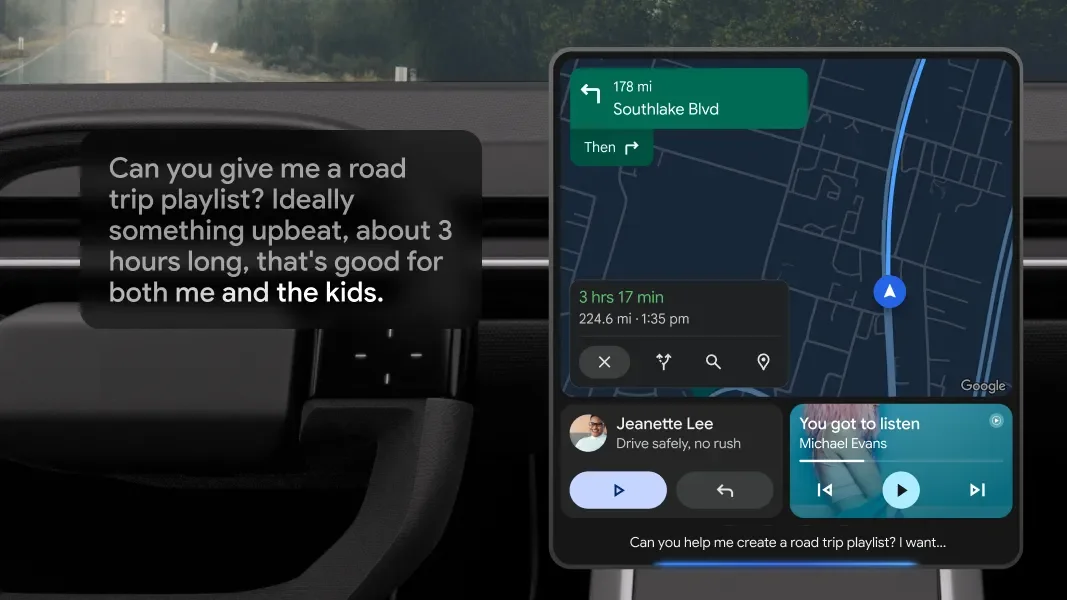
Data Scope: The model functions as a generalized assistant capable of summarizing information or managing third-party app transactions (e.g., meal delivery) during operation.
Infrastructure and Deployment
The shift marks a strategic move by the corporation to deepen the presence of its generative models in everyday transit. While initially introduced to Android Auto via beta testing cycles (versions 15.6 and 15.7) throughout late 2025, the tool is now standard for users in regions supporting the Google generative suite.
Read More: Chrome mimeHandler API lets extensions handle file types
The system does not currently utilize voice-matching to distinguish between individual occupants, meaning access is tethered to the device currently hosting the connection. This design choice maintains a "shared" authority model within the cabin, allowing any passenger with access to the interface to query or modify vehicle states.
Background: The Obsolescence of Command-Based AI
For years, automotive voice interfaces relied on Intent Recognition, which required users to memorize specific phrases to execute simple functions. The move toward Gemini reflects a broader industry transition toward "agentic" software—systems designed not just to fetch data, but to perform sequences of actions on behalf of the user. By migrating these capabilities into the dashboard, the corporation aims to reduce the "monotonous tasks" of navigation and climate management, though it simultaneously expands the depth of personal data integrated into the driving experience.
Read More: Tesla Model Y L 6-Seater US Launch Date and Price Details