
Data gathered through paleoclimatology suggests the Atlantic Ocean acts as a vast, long-term reservoir for thermal energy, capable of trapping heat at intermediate depths for centuries. Recent findings highlight an unprecedented warming of equatorial Atlantic waters during the mid-to-late Holocene, indicating that the ocean's internal structure is fundamentally reshaped by wind patterns.
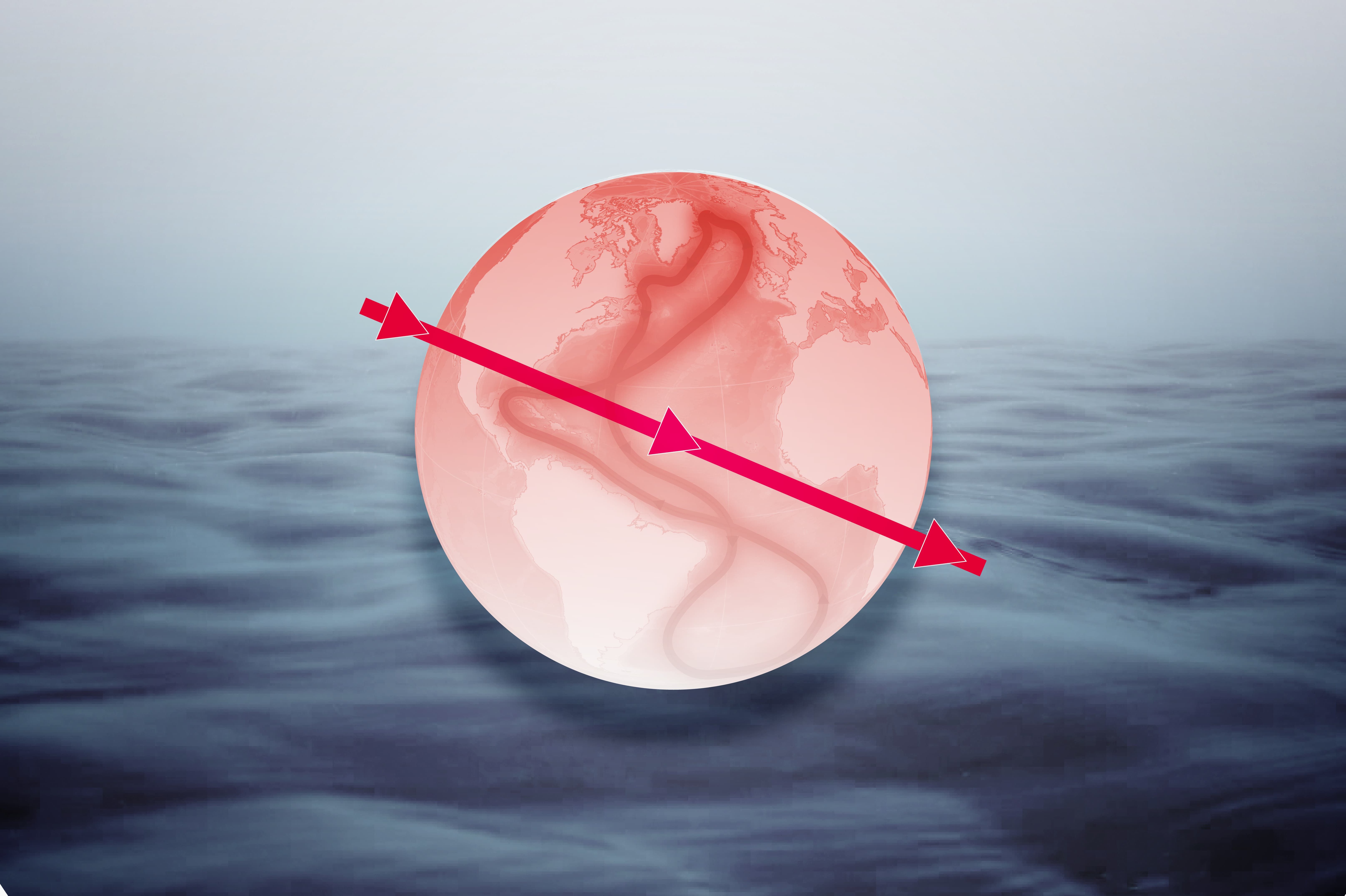
As Southern Hemisphere westerly winds shift and intensify, they drive surface waters downward, forcing heat into the interior ocean. This mechanism suggests that current atmospheric changes are effectively "burying" heat that may remain sequestered, yet active, within the system for generations.
The AMOC Tipping Point
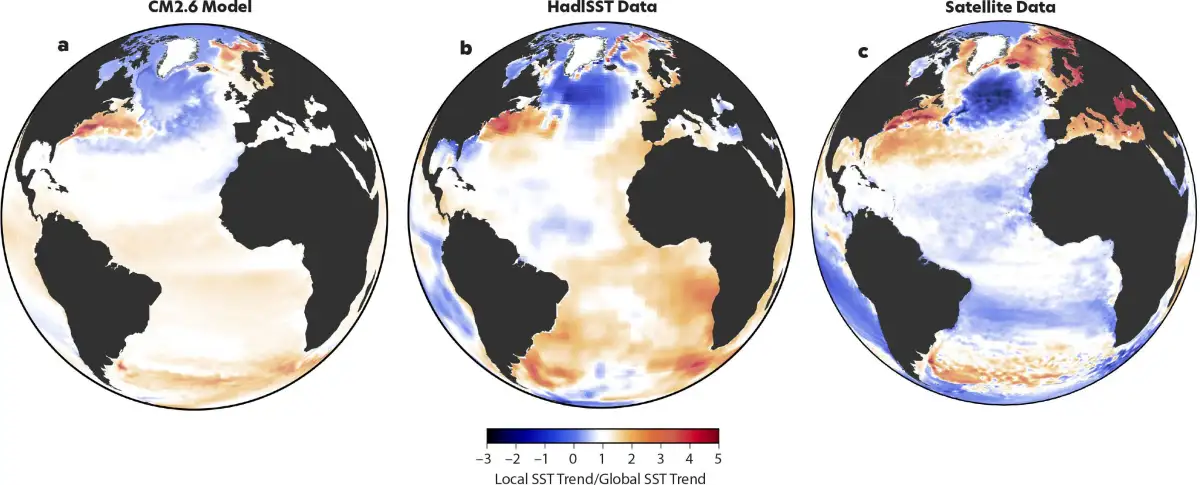
While research confirms that the Atlantic Meridional Overturning Circulation (AMOC)—a vital heat-distribution "conveyor belt"—is weakening, the trajectory toward a complete cessation remains a point of intense friction among researchers.
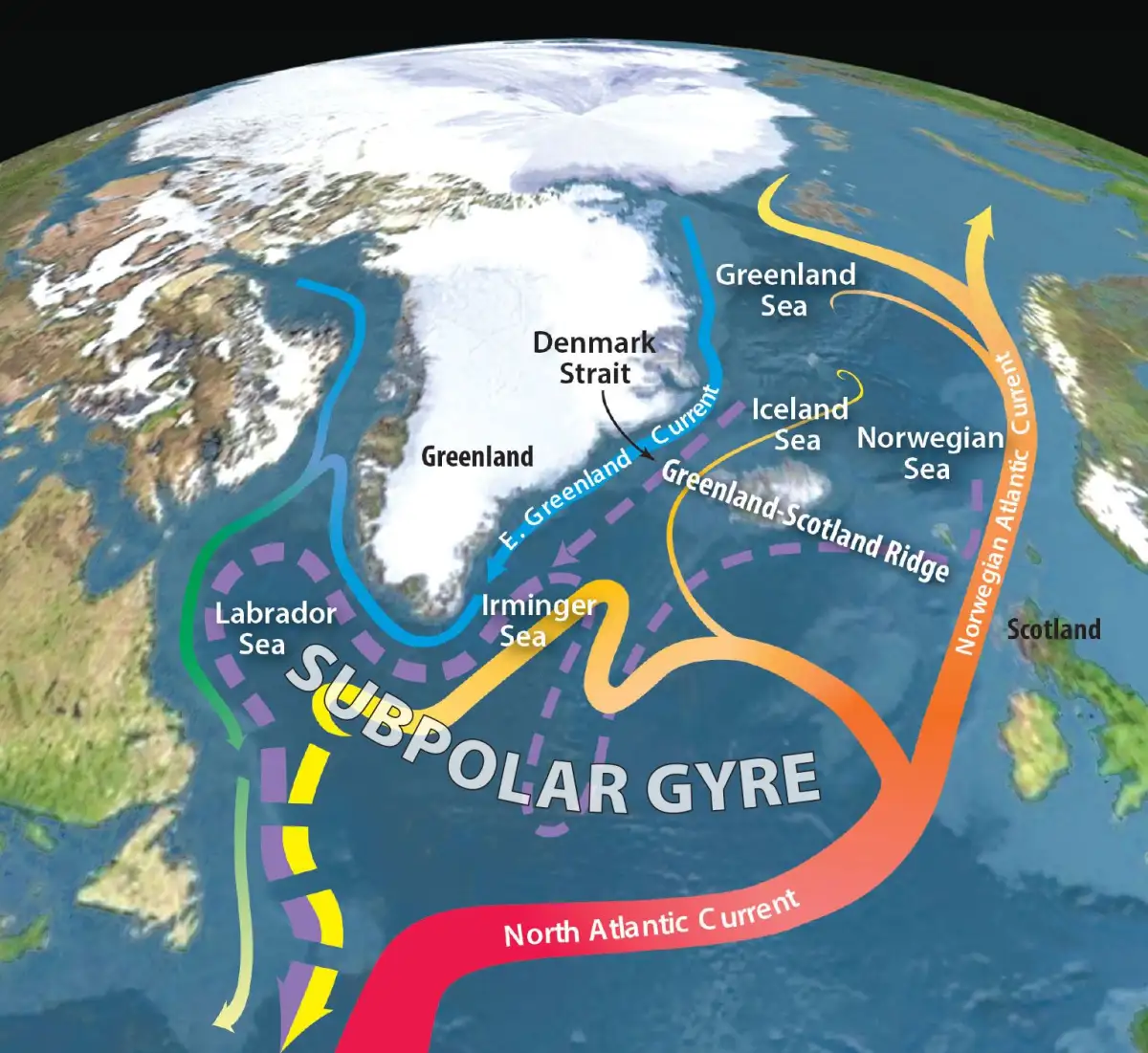
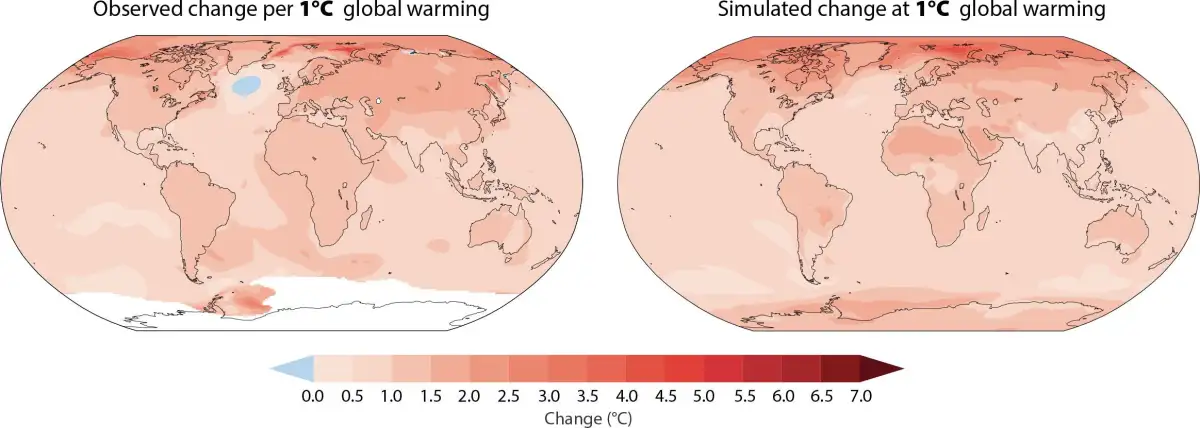
Evidence of Weakening: A century of temperature and salinity data points to a systemic slowdown, evidenced by a persistent "warming hole" in the North Atlantic.
The Tipping Threshold: Some models propose a critical point of no return—a Stommel Bifurcation—could trigger an collapse as early as 2055.
Modeling Discrepancies: Not all simulations align. Certain models predict a far-future collapse or total resilience, leading to skepticism regarding the speed at which these tipping points arrive.
"The AMOC is like a campfire with a dwindling amount of fuel," researchers noted, emphasizing that while the mechanism is failing, the environmental consequences may not manifest instantly, complicating early detection.
Geopolitical and Scientific Stakes
The uncertainty surrounding these ocean dynamics has transitioned from academic inquiry to state-level concern. In November, Iceland officially classified the risk of an AMOC shutdown as a national security threat.
Read More: Biologists Need New Ways to Study Climate Change Effects
| Perspective | Status of AMOC | Primary Concern |
|---|---|---|
| Historical Data | Clear, observed weakening | North Atlantic cold anomaly |
| Model Projections | Divergent (2055 vs. never) | Tipping point uncertainty |
| Geopolitics | Escalating risk awareness | Food supply and security |
Investigating the Ocean Interior
The divergence in current research stems from the limitation of direct observations, which only span the last two decades. To understand the future of heat distribution, scientists are increasingly turning to the Holocene record. By examining how the ocean responded to past deglaciations, investigators hope to determine whether the current observed slowdown is a temporary adjustment or a structural transition toward a stagnant state.
Current debates continue to circle the reliability of global climate models, with critics arguing that some simulations fail to account for long-term freshwater influx, potentially underestimating the instability of the circulation system. As the Atlantic continues to store surface heat in its intermediate depths, the structural integrity of the AMOC remains the primary variable in predicting regional climate shifts for the remainder of this century.
Read More: Cows Can Recognize Human Faces, New Study Suggests