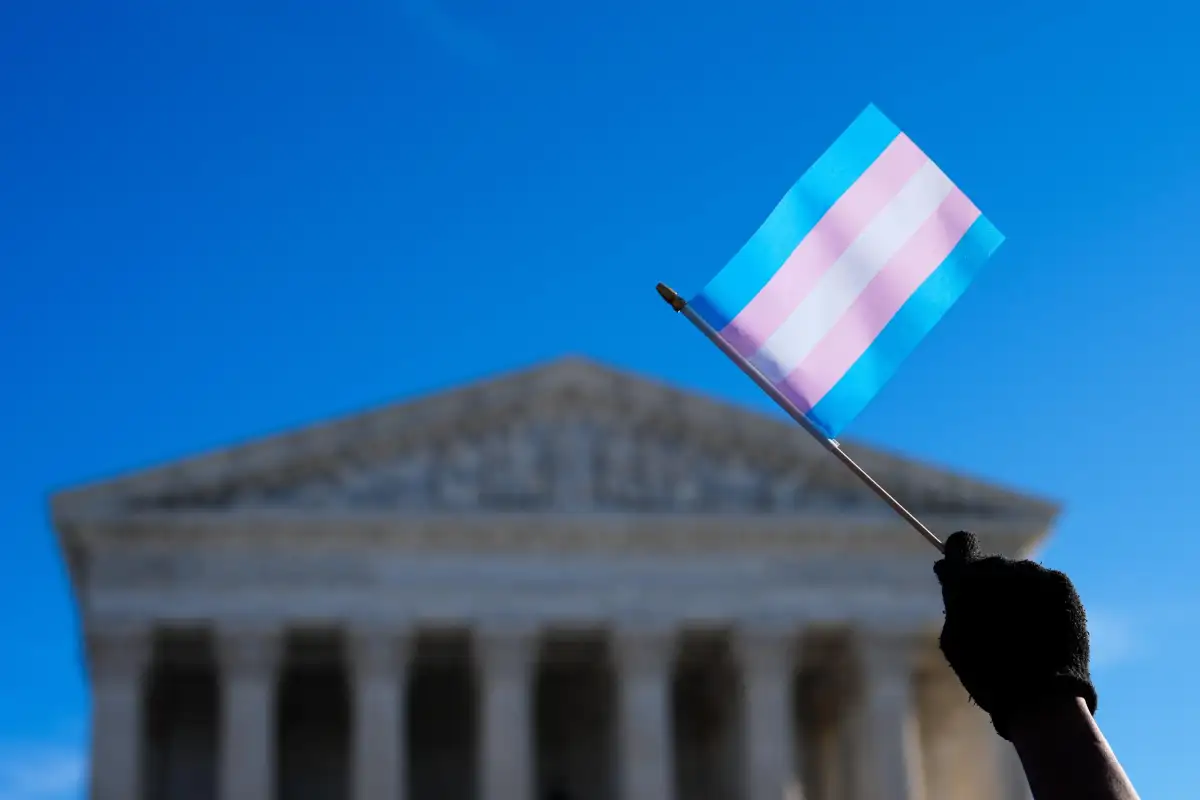
Across continents, gatherings are taking place to advance the cause of gender equality. From academic campuses to public parks, citizens are raising their voices, underscoring a persistent global focus on fairness and equal standing for all. These events, often linked to observances like International Women's Day, reveal both progress and persistent challenges.
The movement for gender equality is a multifaceted effort, drawing participants from various backgrounds. Rallies, marches, and awareness campaigns form a significant part of this global dialogue. These actions serve to highlight achievements, but more importantly, to draw attention to areas where further progress is needed.

Historical Context of Women's Rights Demonstrations
Public demonstrations in support of women's rights have a long history, often serving as crucial moments for social and political change.
Early 20th Century: The origins of International Women's Day trace back to early 20th-century labor movements in North America and Europe, where women fought for better working conditions and voting rights.
Mid-20th Century: The second-wave feminist movement of the 1960s and 70s brought women's rights issues to the forefront globally, addressing broader concerns like reproductive rights and workplace discrimination.
Late 20th and Early 21st Centuries: The focus has broadened to encompass a wider array of issues, including gender-based violence, LGBTQ+ rights, and representation in fields like science and technology.
Thematic Focus of Recent Gatherings
Recent events indicate a strong emphasis on several key areas within the broader scope of gender equality.
Read More: WNBA Players Face Online Harassment Increases in April 2026
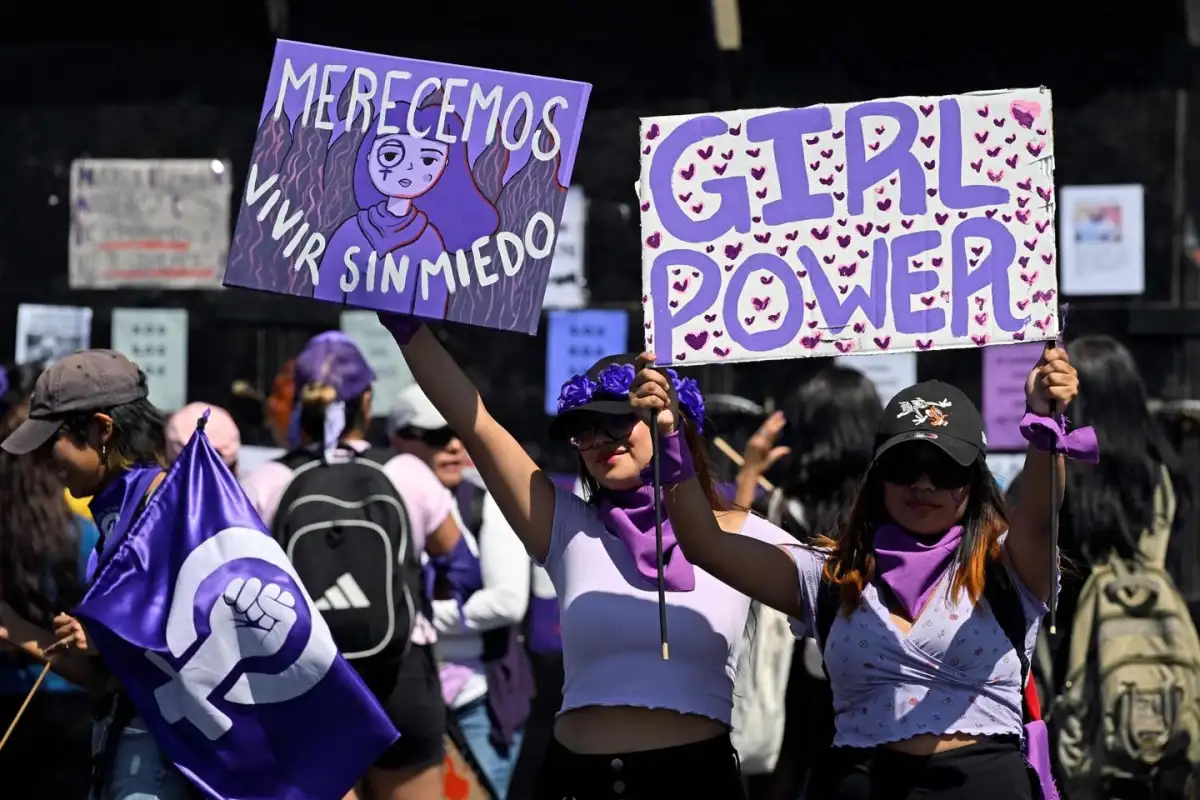
Reproductive Rights and Healthcare: A recurring theme is the defense and advancement of reproductive freedoms, particularly in light of recent legal changes in some regions. This includes access to abortion and gender-affirming care.
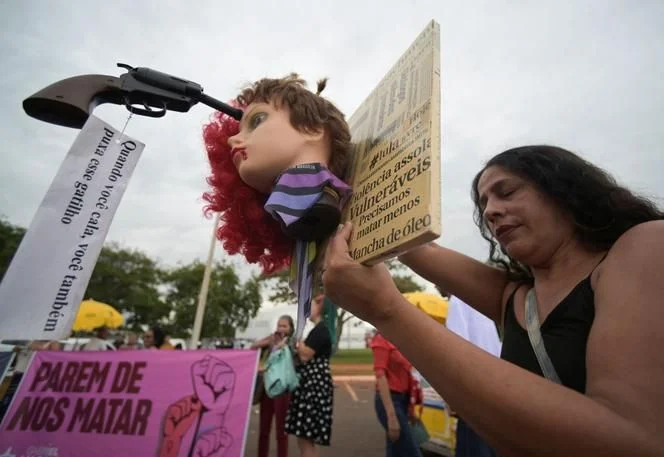
Combating Gender-Based Violence: Protests have also addressed the pervasive issue of violence against women, with groups tracking and protesting femicide rates.
STEM Education and Representation: Efforts are underway to encourage greater female participation in Science, Technology, Engineering, and Mathematics (STEM) fields, recognizing the importance of diverse perspectives in these critical areas.
Key Actors and Organizing Bodies
The momentum behind gender equality rallies is driven by a diverse network of individuals and groups.
Student Activists: Educational institutions are emerging as hubs for activism, with students organizing rallies to raise awareness and advocate for change.
Non-Governmental Organizations (NGOs): Groups like Avtar Human Capital Trust and various women's coalitions play a vital role in organizing events and bringing attention to specific issues.
International Bodies: Organizations such as UNESCO work to promote gender equality, particularly in education and scientific fields, often through awareness campaigns and educational initiatives.
Specific Incidents and Locations
Events spanning different dates and locations illustrate the global nature of this movement.
Chennai, India: A rally was held at TIDEL Park to build awareness and accountability in advancing gender equality, flagged off by industry leaders.
Washington Square Park, USA: Over a thousand activists gathered to advocate for gender equality, citing concerns over reproductive rights, gender-affirming healthcare, and equal employment policies.
Global Observances: Protests have been noted in multiple countries around International Women's Day, with specific mentions of demonstrations in Spain, Turkey, and across Asia and Europe.
Evidence of Global Engagement
Data and reports indicate a widespread and ongoing engagement with issues of gender equality.
International Women's Day Protests: News reports from March 2025 detail demonstrations held in multiple countries focusing on gender-based violence and reproductive rights. Similar large-scale gatherings occurred in March 2023 and March 2018, highlighting a consistent pattern of activism.
Academic Initiatives: The UNESCO article from February 2026 underscores efforts to advance gender equality in STEM education, indicating a focus beyond immediate protests towards long-term educational change.
Leadership Support: The Chennai rally, for example, was supported by prominent figures like Saundarya Rajesh, MD of Avtar, suggesting institutional backing for these awareness campaigns.
Analysis of Themes and Trends
The recurring themes across these events paint a picture of a dynamic and evolving movement.
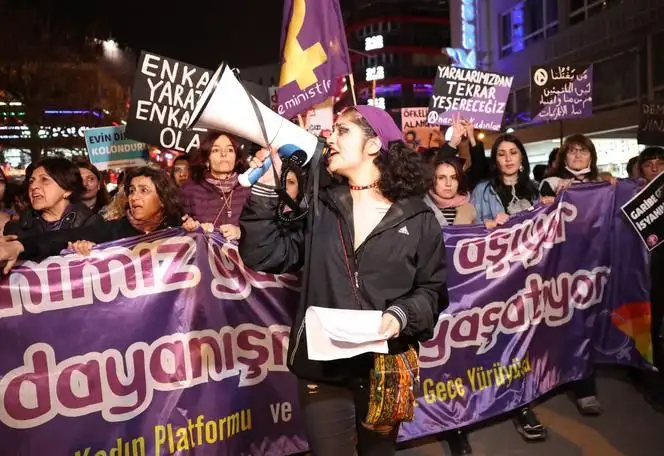
Intersectional Concerns: Rallies increasingly address the intersection of gender equality with other rights, such as LGBTQ+ rights and economic justice.
Global Policy Impact: Activism is often a direct response to perceived policy shifts, whether concerning reproductive rights or workplace regulations.
Sustained Awareness: The regularity of these events, particularly around International Women's Day, suggests a sustained effort to keep gender equality issues in the public consciousness.
Expert Perspectives on Gender Equality Movements
Scholars and leaders in the field of gender studies offer insights into the significance and dynamics of these global actions.
"International Women’s Day is an opportunity to raise awareness of these issues." - UNESCO
This statement, from a UNESCO article concerning gender equality in STEM, reflects the role of designated days in amplifying awareness campaigns.
The involvement of figures like Saundarya Rajesh and Sam Paul in flagging off the Chennai rally suggests that industry leaders are increasingly recognizing their role in promoting gender equality.
Current Landscape and Future Outlook
The consistent occurrence of rallies and advocacy efforts points to a persistent global commitment to gender equality. While specific issues may shift in prominence, the underlying drive for equitable treatment and opportunity remains a strong force. The diverse nature of the participants and the broad range of issues addressed indicate that gender equality is viewed not as a singular goal, but as an interconnected aspect of broader social justice.
Read More: FIFA 2026 World Cup Allows Plastic Bottles After Public Pushback
The use of academic settings and industry partnerships, as seen in Chennai and through UNESCO's work, suggests a growing recognition of the need for comprehensive strategies that extend beyond public demonstrations to encompass educational and professional spheres.
Sources Used:
The Hindu: https://www.thehindu.com/news/cities/chennai/students-take-out-rally-on-advancing-gender-equality/article70632416.ece
Council on Foreign Relations: https://www.cfr.org/blog/women-week-protests-held-multiple-countries-international-womens-day
Washington Square News: https://nyunews.com/news/2025/03/10/international-womens-day-protest
Le Monde: https://www.lemonde.fr/en/international/article/2023/03/08/women-march-as-their-rights-are-under-attack-across-the-world60186534.html
PBS NewsHour: https://www.pbs.org/newshour/world/women-take-to-the-streets-as-the-world-marks-international-womens-day
UNESCO: https://www.unesco.org/en/articles/advancing-gender-equality-stem-education-inspiring-girls-pursue-science