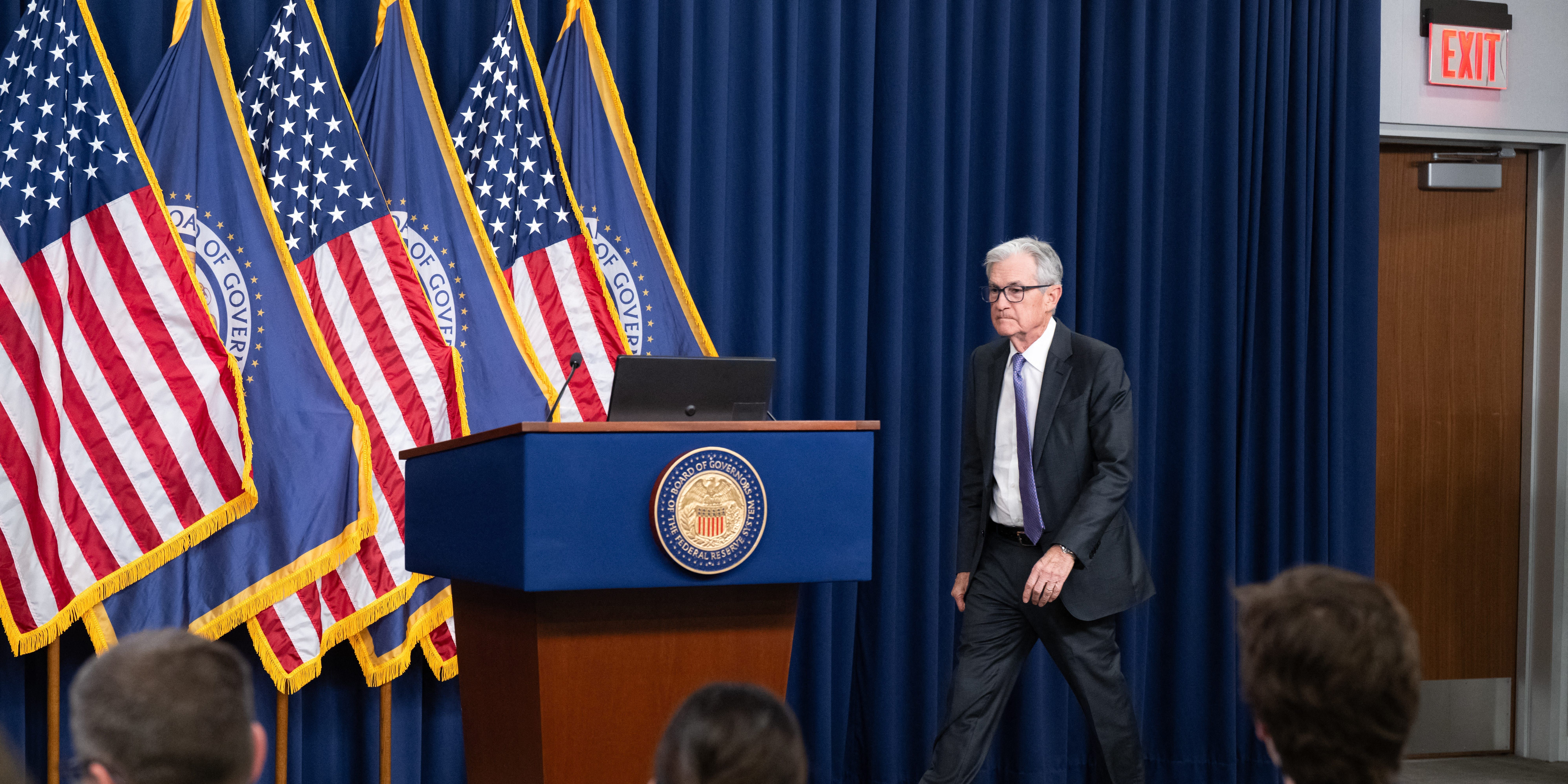
Fuel costs are climbing across the geography of the American pump, pushing the national average to $3.54 per gallon for gasoline and $4.72 for diesel. This friction in the energy market follows the start of Operation Epic Fury in February, a military intervention in Iran directed by the executive branch. The sudden tightness in global supply has forced a rhetorical pivot among House Republicans; lawmakers who previously labeled high fuel costs as a "war" on the consumer are now framing the surge as a necessary burden for national security.

"A small price to pay," has become the unofficial refrain for the same legislative body that once centered its platform on the affordability of life.
The Legislative Stall
The friction in the Middle East is not merely a matter of tankers and Strait of Hormuz transit; it has effectively choked the domestic economic agenda.

House Republicans are finding it nearly impossible to gather votes for Trump’s major tax bills.
Focus has shifted from tax cuts to the immediate inflationary pressure caused by idling tankers.
Analysts suggest gas could breach the $5 mark if the stalemate with Iran persists and the shipping lanes remain choked by military presence.
| Fuel Type | Current Avg | Direction | Sentiment |
|---|---|---|---|
| Gasoline | $3.54 | Upward | "Necessary Cost" |
| Diesel | $4.72 | Sharp Rise | "Security Fee" |
| Target | $5.00+ | Predicted | "Volatility" |
Fragile Narratives
The shifting language reveals a deep asymmetry in political logic. The pivot from blaming the White House to defending the cost of war indicates that gas prices are treated as a political weapon rather than a fixed economic reality. When the fuel lines were strained under previous management, it was an "attack" on the working class. Now, under the shadow of Operation Epic Fury, the same empty wallets are described as participants in a grander geopolitical sacrifice.
Read More: Pound Sterling Faces New Risks Due to UK Fiscal Policy and Politics
Background: The Echoes of Epic Fury
The current instability began in early February with the launch of military strikes. The oil markets, which loathe uncertainty, reacted by adding a premium to every barrel.
Tankers remain stationary or are rerouting, adding weeks to delivery times.
Market analysts warn that a "quick resolution" is unlikely as the outlook for a ceasefire dims.
This creates a jagged economic landscape where the GOP must decide if they will continue to prioritize their tax-and-growth agenda or remain bogged down in the high-cost mechanics of an overseas conflict.
The messaging has morphed from a demand for low prices to a vow to secure supply routes, even as the price of that security continues to leak from the pockets of motorists and the budgets of airline passengers.