Formula 1's 2026 season is shadowed by a brewing controversy surrounding Mercedes' new engine technology. Rival teams are questioning the legality of the engine's compression ratio, a detail that has ignited sharp responses from Mercedes team principal Toto Wolff. The situation highlights a delicate balance between innovation and regulation in the sport, with the integrity of the upcoming season potentially at stake.
The heart of the dispute lies in the interpretation of new engine regulations for 2026, which mandate an engine compression ratio of 16:1. Reports suggest that several manufacturers have raised concerns with the FIA (Fédération Internationale de l'Automobile), Formula 1's governing body, believing Mercedes may have found a way to operate at a higher compression ratio, potentially closer to the previous 18:1, under certain conditions, such as when the engine is running hot.
Read More: George Russell Struggles: 43 Points Behind Teammate Antonelli

These concerns have led to discussions and meetings between engine manufacturers and the FIA, with further talks anticipated before the season opener in Australia in early March. Toto Wolff has been a vocal defender of Mercedes' engine, asserting its compliance with the written regulations and suggesting that rivals are using the controversy as a tactic to mask their own performance shortcomings. The debate raises fundamental questions about how technical regulations are policed and the potential for strategic interpretations of the rules.
Key actors: Mercedes (Toto Wolff), FIA, and rival F1 engine manufacturers (including Honda, Audi, Ferrari, Red Bull, and others).
Central issue: The legality of Mercedes' new F1 engine's compression ratio under the 2026 regulations.
Timeline: Discussions have intensified leading up to the 2026 season opener, with meetings held in advance of the Barcelona shakedown and further discussions planned.
Technical Interpretations and Regulatory Scrutiny
The 2026 Formula 1 engine regulations stipulate a maximum compression ratio of 16:1. However, the crux of the current debate appears to revolve around the measurement of this ratio. Several sources suggest that rivals are pushing for the compression ratio to be measured while the engine is operating at high temperatures, a condition under which Mercedes' engine is suspected to achieve a higher effective ratio.
Read More: FIFA World Cup 2026 Revenue Reaches $15 Billion With New Ticket Prices

"The power unit corresponds to how the regulations are written." - Mercedes (as reported)
Mercedes, and specifically Toto Wolff, maintain that their engine is fully compliant with the existing rules as they are written. Wolff has stated that the FIA was kept informed throughout the engine development process. The discrepancy arises from whether the rules implicitly account for operational temperatures, or if a specific testing protocol is required to address these potential variations.
The 16:1 Compression Ratio: This is the mandated limit under the new 2026 regulations.
Rival Concerns: Allegations that Mercedes is exploiting a "grey area" to achieve higher compression ratios when the engine is hot.
Mercedes' Stance: The engine is legal and adheres to the written regulations. The FIA was involved in the development process.
Wolff's Assertions: Excuses or Justified Outrage?
Toto Wolff has strongly defended Mercedes' position, expressing frustration with rival teams for focusing on this issue rather than their own performance. He has publicly urged his competitors to "get their s* together" and suggested that the complaints may be an attempt to find excuses for potential underperformance.
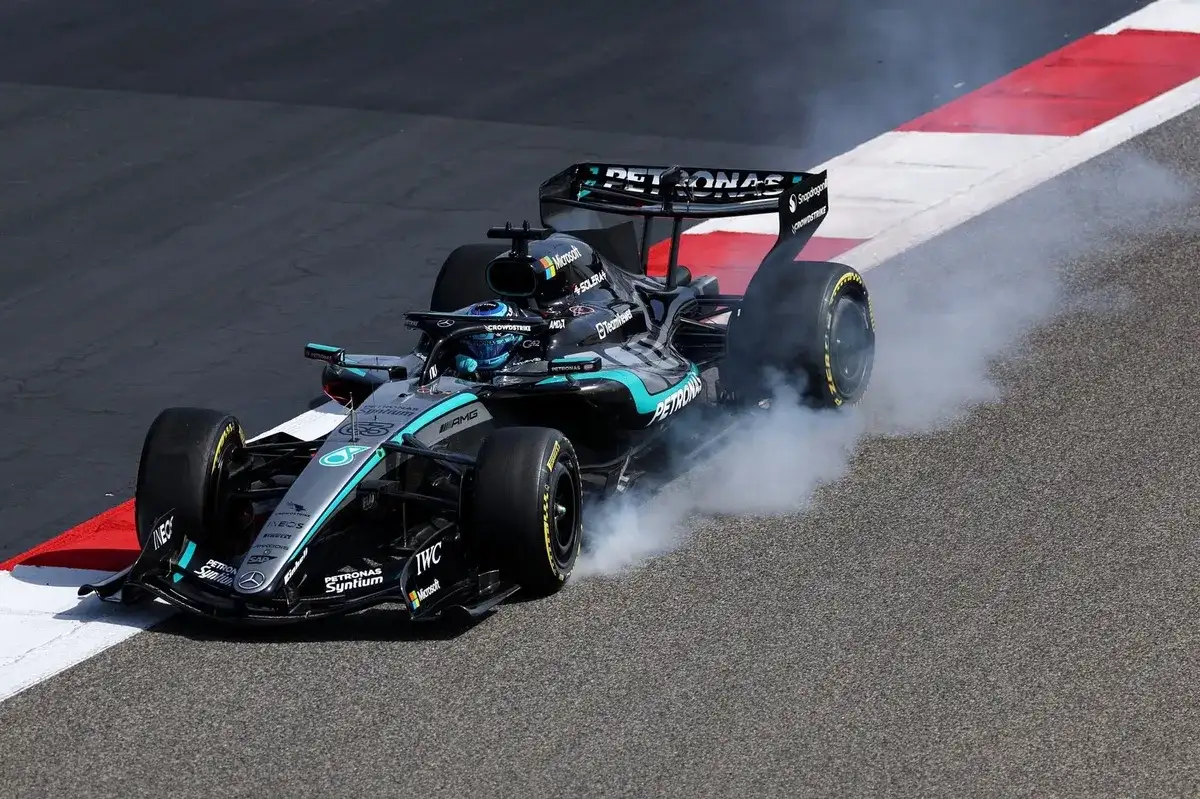
"Maybe you want to find excuses before you’ve even started when things are not good." - Toto Wolff (as reported)
Wolff's commentary suggests that the technical regulations, as currently formulated, permit Mercedes' interpretation. He has indicated that intervention from the FIA at this stage, especially if it leads to rule changes close to the season, would be unfair to Mercedes. The sentiment is echoed by some observers who argue that if a team develops a clever, legal solution, they should not be penalized for it.
Read More: Kimi Antonelli Takes Pole for 2026 Monaco Grand Prix
Wolff's Message to Rivals: Focus on improving your own performance rather than lobbying the FIA.
Allegations of Excuses: Wolff believes rivals are using this engine issue to pre-emptively explain poor results.
Fairness: Penalizing Mercedes for a clever, legal interpretation of the rules would be unfair.
The FIA's Role and Potential Intervention
The FIA finds itself in a crucial mediating position, tasked with ensuring fair competition and upholding the integrity of the regulations. The governing body has reportedly received complaints and has been engaged in discussions with the engine manufacturers. The question remains whether the FIA will interpret the existing rules strictly as written or if they will introduce clarifications or modifications to address the concerns raised by rival teams.
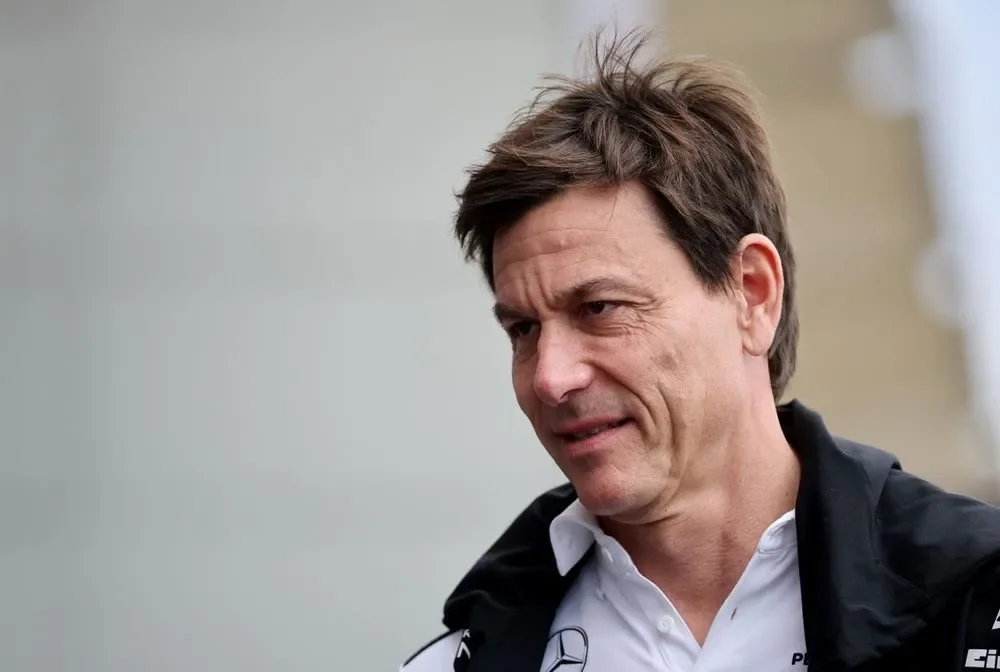
"FIA warned not to ban Mercedes engines so close to the new F1 season. And if they have come up with a smart, clever idea, good on them." - Johnny Herbert (as reported)
The possibility of rule changes or a specific testing mandate being introduced before the season opener presents a complex scenario. Any such intervention could significantly impact Mercedes' preparations and competitiveness. The FIA's decision will set a precedent for how technological innovation is handled within Formula 1's regulatory framework.
FIA's Position: Investigating complaints and facilitating discussions.
Potential Outcomes:
Upholding the current interpretation of the rules.
Introducing clarification or amendments to the regulations.
Mandating specific testing protocols for compression ratios.
Impact of Intervention: Rule changes could disadvantage Mercedes if implemented late in the development cycle.
Expert Opinions and Sportsmanship
While the direct input from experts on the technical specifics of the Mercedes engine is limited in the provided data, former F1 driver Johnny Herbert has offered an opinion. He suggests that banning Mercedes' new engine technology close to the season would be unfair and that teams have the opportunity to develop similar innovations.
Read More: England World Cup Match: Pubs Open Until 5 AM Monday
"I don't think it's fair if they kick out that technology that Mercedes have been very, very clever at coming up with. Everybody has that opportunity to come up with something clever." - Johnny Herbert (as reported)
This perspective aligns with Wolff's argument that teams should focus on their own engineering capabilities rather than seeking to disqualify rivals. The situation raises questions about the spirit of competition and whether rival teams are engaging in legitimate technical scrutiny or pursuing a less sporting approach.
Johnny Herbert's View: Penalizing Mercedes for innovation would be unfair; other teams can also be clever.
Sportsmanship Question: Are rivals engaging in fair technical debate or seeking an unfair advantage?
Conclusion: An Uncertain Season Start
The debate over Mercedes' 2026 F1 engine highlights a recurring tension in motorsport between technological advancement and regulatory control. Mercedes, through Toto Wolff, asserts that its engine is legal and compliant, while rivals question its interpretation of the rules, particularly regarding the compression ratio. The FIA's role is pivotal, and its decision on whether to intervene or uphold the current regulations will shape the early narrative of the 2026 season.
The core of the issue rests on the precise definition and measurement of the engine compression ratio under operational conditions. If the FIA clarifies or amends the rules, Mercedes could be disadvantaged. Conversely, if the current interpretation stands, it could lead to lingering resentment and questions about the fairness of the competitive landscape.
Read More: Lewis Hamilton Tops Monaco Practice, Faces Dual Team Support Questions
Key Takeaway: The legality of Mercedes' new engine remains a point of contention, with potential for FIA intervention.
Implications: The outcome could influence the competitive balance of the 2026 Formula 1 season.
Next Steps: Close monitoring of FIA communications and any official rulings regarding the engine regulations is expected.
*
Sources:
Express Sport: FIA warned not to ban Mercedes engines as Toto Wolff foul-mouthed rant justified
Link: https://www.express.co.uk/sport/f1-autosport/2170576/mercedes-engines-banned-fia-f1-2026
Context: Published ~1 day ago, provides expert opinion (Johnny Herbert) and discussion on fairness.
Autoweek: Toto Wolff Slams Rivals over 2026 Engine Debate
Context: Published Feb 2, 2026, focuses on Wolff's criticism of rivals and the technical debate (compression ratio, ambient vs. hot operation).
Motorsport.com: Toto Wolff on F1 engine row: “Until Friday, I had the impression that things wouldn't change”
Context: Provides Wolff's perspective on the development process with the FIA and potential consequences of rule changes.
ESPN: Mercedes' Toto Wolff tells rival F1 teams on engine row: Get your s—- together
Context: Published Feb 2, 2026, features Wolff's strong remarks and reiterates the FIA's awareness of Mercedes' approach.
Speedcafe: ‘Get your shit together’: Wolff shreds F1 cheating accusations
Context: Details the 16:1 regulation and suggestions for measuring compression ratio when the engine is running.
Sky Sports: Toto Wolff says Mercedes' F1 rivals questioning new engine legality need to get own houses in order ahead of 2026 F1 season
Context: Published Feb 3, 2026, highlights Wolff's "get your s* together" quote and the timing of the season opener.
Motorsport Week: Toto Wolff tells F1 rivals to ‘get your s together’ amid Mercedes engine suspicions*
Context: Published Feb 2, 2026, emphasizes Wolff's view that rivals are seeking excuses and that the regulations and FIA's stance are clear.
The Mirror: Toto Wolff backed amid F1 fury over Mercedes engines and ban threat
Link: https://www.mirror.co.uk/sport/formula-1/mercedes-f1-engines-banned-fia-36733895
Context: Published ~9 hours ago, the summary was too short to extract specific details.