:max_bytes(150000):strip_icc()/F_2025-07-31_10-13-41-cc6cf7b83ff5441799a41d207e119a2a.png)
Ford Motor Company has announced a significant uptick in its financial performance, projecting a brighter full-year outlook largely bolstered by an expected $1.3 billion refund stemming from tariffs. This financial maneuver, coupled with sustained strength in its internal combustion engine (ICE) and commercial vehicle divisions, has pushed the automaker's adjusted earnings per share to 66 cents for the recent quarter, a figure that considerably outpaced analyst expectations.
The core of Ford's recent financial rebound appears intrinsically linked to a substantial tariff refund, allowing the company to present a rosier picture of its profitability and leading to a revision of its full-year guidance.
While the specifics of the tariff refund mechanism remain somewhat opaque, it is understood that the Trump administration initiated the acceptance of refund claims recently, with recipients anticipating these funds within a 90-day window. This influx of capital provides a critical financial cushion, allowing Ford to navigate existing market pressures.
Read More: FIFA World Cup 2026 Revenue Reaches $15 Billion With New Ticket Prices
Model e Division Struggles Continue
Contrasting with the broader financial gains, Ford's electric vehicle segment, branded as Model e, continues to exhibit financial strain. Reports indicate a sharply declining performance within this division, marked by lower sales volumes and a widening operating loss. This downturn is attributed, in part, to the ongoing pressures of tariffs, inflation, and the significant capital expenditures associated with EV development.
Core Businesses Show Resilience
Ford's traditional strengths, specifically the Ford Blue (internal combustion engine vehicles) and Ford Pro (commercial vehicles) segments, are serving as the bedrock of its current financial stability. The Ford Pro unit, in particular, demonstrates consistent growth and robust margins through its integrated approach to software, services, and fleet vehicle sales. This division's success highlights a shifting profitability model and evolving dealer-customer interactions within the commercial sector.
Tariff Headwinds Persist
Despite the immediate relief provided by the tariff refund, the broader impact of tariffs remains a significant concern. Ford's reliance on imported components, particularly for its EV and hybrid offerings, continues to present a considerable cost burden. Analysts and industry observers alike are watching closely to see if these cost pressures will translate into reduced consumer incentives or potential price increases on certain vehicle lines.
Read More: Tesla Model Y L 6-Seater US Launch Date and Price Details
Production Disruptions and Outlook Adjustments
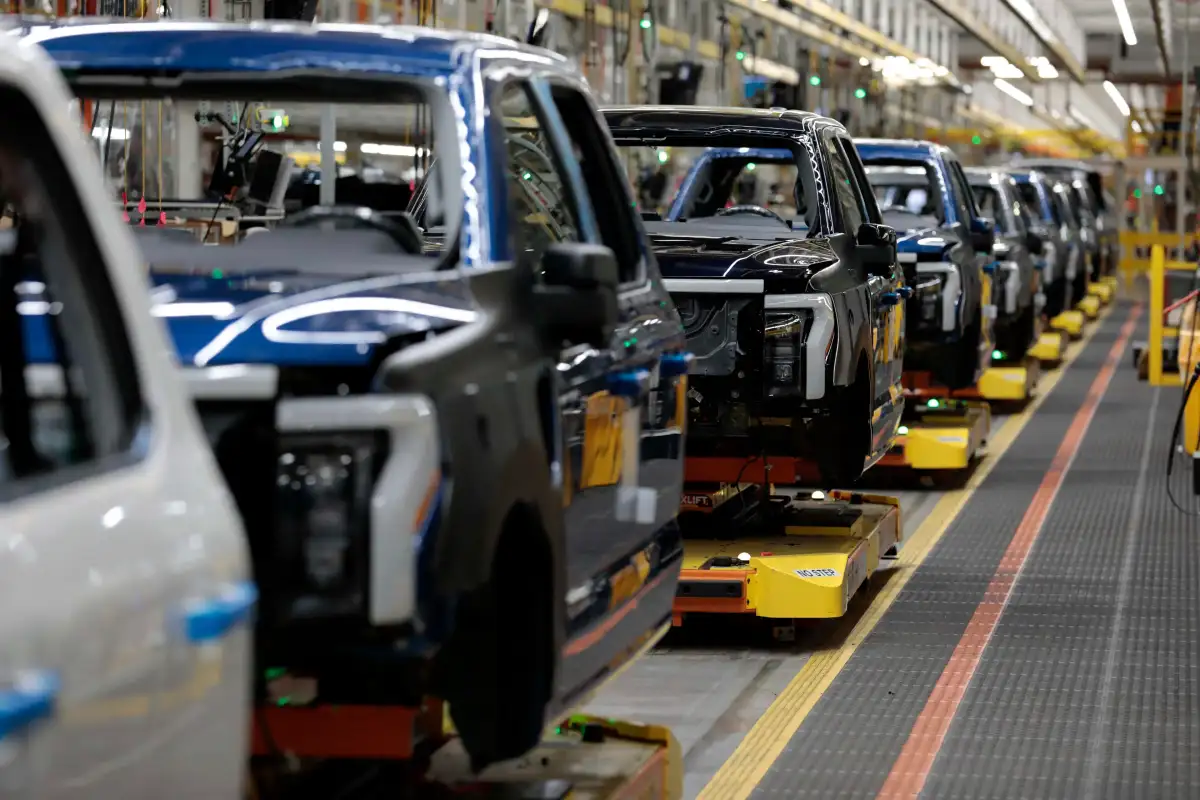
The company has also grappled with localized production challenges. A recent fire at a facility impacted the output of the all-electric F-150 Lightning, leading to temporary disruptions. While Ford has reassured stakeholders about plans to resume production, this incident contributed to a lowering of its full-year profit guidance earlier in 2025. The automaker's ability to reinstate its guidance following previous uncertainty underscores a degree of financial resilience, though capital spending and ongoing restructuring remain key areas of focus.
Broader Market Context
Ford's financial narrative unfolds against a backdrop of a rapidly transforming automotive landscape. Legacy manufacturers like Ford are navigating the complexities of shifting market demands, substantial investments in new technologies, and persistent economic uncertainties. The company's financial results for the quarter ending July 31, 2025, though showing record revenue, also revealed a net loss, illustrating the multifaceted challenges at play.
Read More: Hunter Region Gets $12 Billion Train Factory
Ford's annual meeting is scheduled for May 14. Stellantis NV is slated to report its financial results on Thursday. Ford declared a second-quarter dividend of 15 cents per share on April 28. The question remains whether Ford's current financial uptick represents a fundamental, structural improvement or a temporary uplift driven by external financial factors like the tariff refund.