Understanding the Gut's Importance
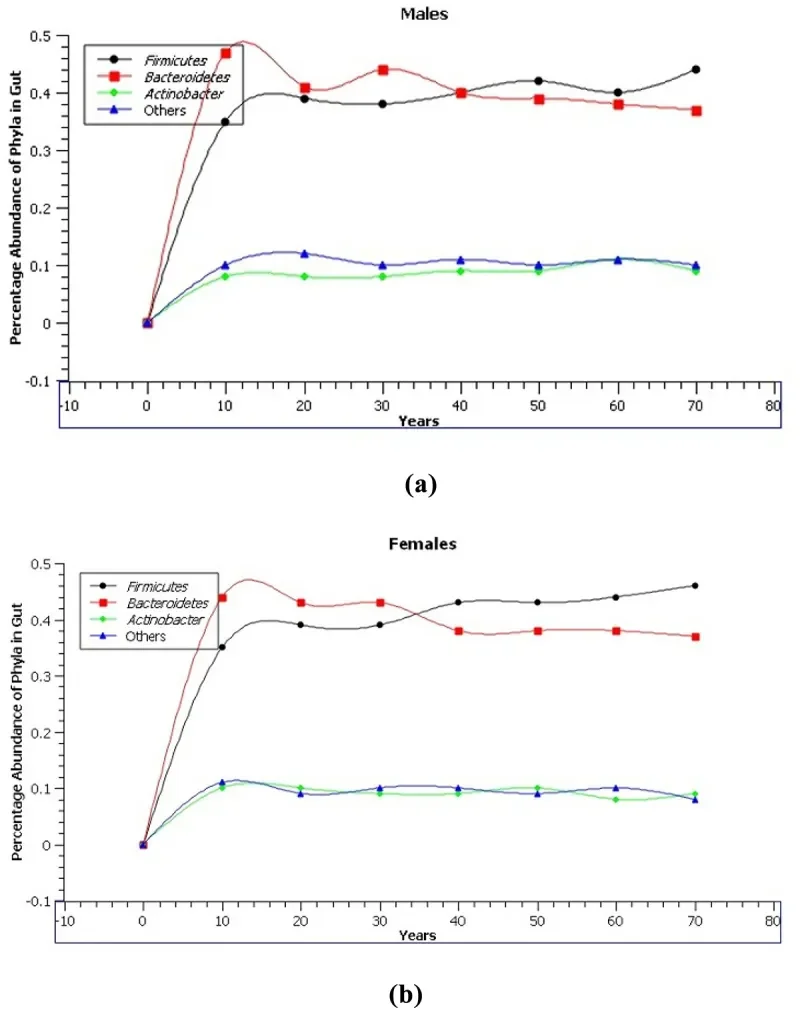
The health of the gut, a complex ecosystem of microbes, influences more than just digestion. Emerging research links gut health to vital bodily functions including the immune system, mood, and metabolism. This connection highlights the significance of dietary choices in maintaining overall well-being.
Dietary Elements for Gut Health
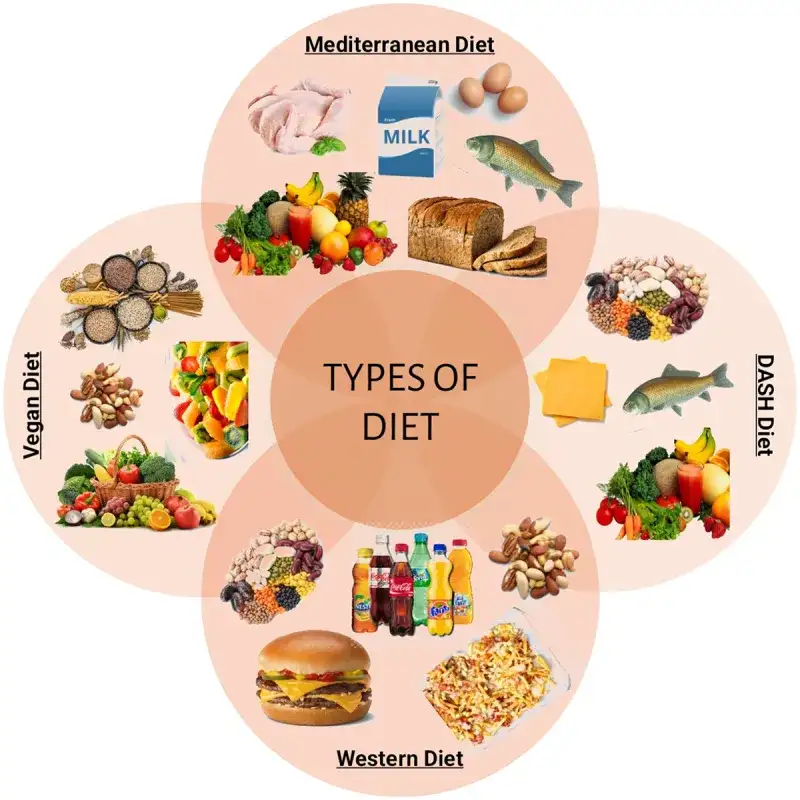
The evidence suggests that incorporating specific foods and dietary patterns can bolster gut health. These recommendations often center around two main categories: prebiotic and probiotic foods.
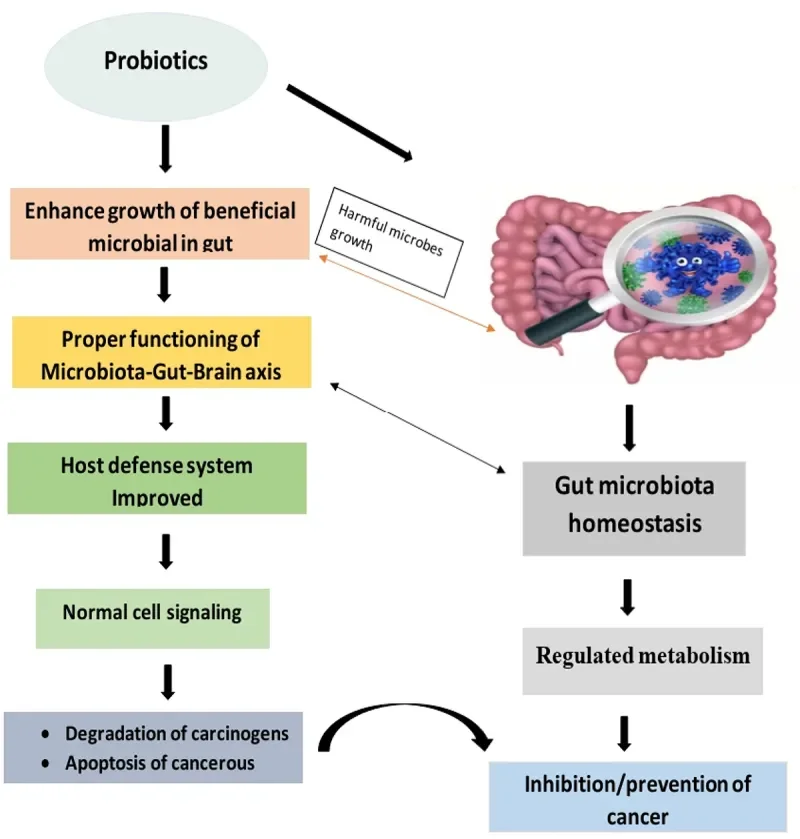
Prebiotic Foods: These are rich in fibers and natural sugars that act as food for beneficial gut bacteria, promoting their growth.
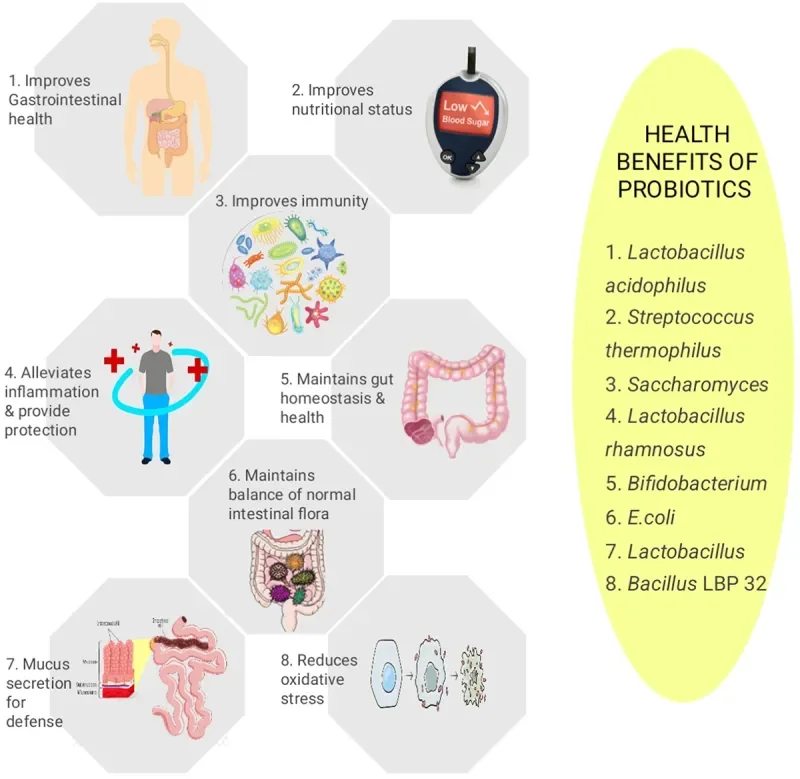
Probiotic Foods: These contain live, beneficial bacteria that can help displace harmful pathogens and restore balance within the gut microbiome.
A balance between these two types of foods appears to be crucial for supporting and improving the gut's beneficial bacteria.
Foods Associated with Improved Gut Health
Multiple sources identify several foods that can contribute to a healthier gut.
Fermented Foods
Fermented foods are consistently highlighted as a key component of a gut-healthy diet.
Kimchi: Mentioned for its ability to modulate the immune system and inflammatory pathways, kimchi can be added as a topping or side dish.
Other Fermented Foods: Generally noted for containing probiotics, these foods help introduce good bacteria into the gut.
Fiber-Rich Foods
High-fiber foods are generally beneficial for digestion and overall health, providing essential fuel for gut microbes.
Read More: India IVF Costs And Social Barriers Limit Access In April 2026
Oats: Identified as a strong prebiotic food, oats can be incorporated into smoothies or other meals.
Legumes (Lentils, White Beans): These can be used in soups and stews, offering fiber and contributing to meal texture without dairy.
Peas: Containing both soluble and insoluble fiber, peas help maintain digestive balance.
Fruits (Fresh and Dried): Generally listed as high-fiber options, fruits contribute to a balanced diet.
Cruciferous Vegetables (Arugula): These vegetables are noted for being packed with fiber and prebiotic material.
Other Beneficial Foods
Certain other foods are also recommended for their gut-supporting properties.
Almonds: These nuts are rich in fiber, fatty acids, and polyphenols, which benefit gut bacteria.
Okinawan Sweet Potatoes: These are highlighted for their high antioxidant content.
Considerations for Dietary Changes
Gradual Introduction: When making dietary changes, especially those involving fiber, a gradual increase is advised to allow the digestive system to adjust.
Balance: Achieving a balance between probiotic and prebiotic foods is important for maintaining the gut's beneficial bacteria.
Hydration: Staying hydrated is essential for keeping stools soft and supporting digestive regularity.
Factors That Can Negatively Impact Gut Health
Certain dietary components and lifestyle choices are identified as potentially detrimental to gut health.
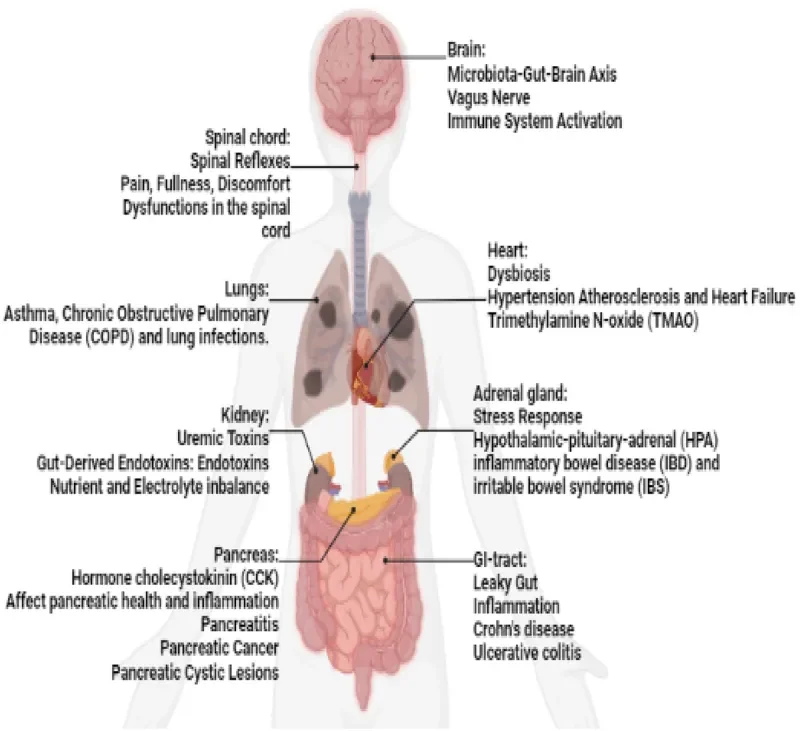
Saturated Fats: Excessive intake of saturated fats, often found in meat and high-fat dairy, can alter gut microbes.
Medications: Antibiotics, antidepressants, and narcotics can affect the gut microbiome. Consultation with a doctor is recommended regarding their impact and potential support strategies during treatment.
Stress: Stress is noted as a factor that can disrupt gut health.
Expert Insights and Recommendations
Experts emphasize the role of diet in maintaining gut health, linking it to broader well-being.
"These compounds support beneficial gut microbes, ensuring they function optimally." - Martha Stewart
"A balance of probiotic and prebiotic foods can help improve and maintain your gut’s beneficial bacteria." - UHC
"Certain foods help balance gut bacteria, reduce inflammation and keep digestion moving.” - Hartford Hospital
Conclusion and Implications
The evidence strongly indicates that dietary choices play a significant role in improving and maintaining gut health. Focusing on fiber-rich foods, prebiotic sources like oats and legumes, and probiotic-rich fermented foods like kimchi appears to be a foundational strategy. Conversely, limiting saturated fats and being mindful of the impact of certain medications is also advised. The connection between a healthy gut and overall well-being, encompassing immunity, mood, and metabolism, underscores the importance of these dietary considerations for a broad audience. Further investigation into specific quantities and optimal combinations of these foods could offer more precise guidance.
Read More: Soaked Raisins Morning Habit: Better Digestion and Energy?
Sources Used
Emerson Health: Published March 6, 2025. Details foods like ginger, green peas, and almonds for gut health.https://emersonhealth.org/11-foods-for-gut-health-and-recipes/
EatingWell: Published October 17, 2025. Highlights oats as a key prebiotic food and emphasizes the gut-brain connection.https://www.eatingwell.com/article/8021156/foods-to-improve-gut-health-overnight/
Martha Stewart: Published approximately one week ago. Mentions oats, lentils, white beans, and kimchi as beneficial foods.https://www.marthastewart.com/best-foods-for-gut-health-11906207
UHC: Discusses the importance of prebiotic and probiotic foods, including fruits, for gut health.https://www.uhc.com/news-articles/healthy-living/how-to-boost-gut-health
Henry Ford: Article dated September 2023. Generally discusses improving gut health naturally, touching on the impact of medications.https://www.henryford.com/blog/2023/09/7-ways-to-improve-your-gut-health-naturally
Stony Brook Medicine: Published December 9, 2025. Advises increasing fiber slowly and mentions the link between gut health and immunity, metabolism, appetite, mood, and mental health.https://www.stonybrookmedicine.edu/how-to-improve-gut-health-foods-lifestyle-tips-that-work
Harvard Health: Published February 20, 2025. Links gut health to sleep and notes changes in gut microbiota with constipation and inactivity.https://www.health.harvard.edu/staying-healthy/5-simple-ways-to-improve-gut-health
ABPS: Discusses arugula as a cruciferous vegetable rich in fiber and prebiotics, and Okinawan sweet potatoes for antioxidants. Kimchi is noted for immune system modulation. Blueberries are mentioned for brain health.https://www.abpsus.org/dr-marvin-singhs-top-10-foods-for-gut-health/
Patagonia Provisions: Discusses fermented foods and probiotics, and notes that too much saturated fat from meat and high-fat dairy can negatively impact gut microbes.https://www.patagoniaprovisions.com/blogs/learn/best-and-worst-foods-for-gut-health
Physicians' Alliance of Connecticut: Highlights probiotic foods for improved gut health and mentions saturated fats as detrimental.https://physiciansallianceofconnecticut.com/blog/foods-to-improve-gut-health/
Bowel Cancer Australia: Published October 13, 2025. Advocates for eating a variety of plant foods (aiming for 30 types weekly) to diversify the gut microbiome. Explains prebiotic and probiotic foods.https://www.bowelcanceraustralia.org/10-ways-to-feed-your-microbiome/
United Digestive: Published November 14, 2025. Stresses the importance of nourishing foods for digestion and gut health, and notes certain foods can disrupt digestive health.https://www.uniteddigestive.com/spring-clean-your-gut-foods-to-help-reset-your-digestive-system/
Hartford Hospital: Discusses foods that balance gut bacteria, reduce inflammation, and aid digestion.https://hartfordhospital.org/about-hh/news-center/news-detail?articleId=68736
Hartford Hospital: Published without a specific date, emphasizes that a healthy gut starts with diet and mentions the role of activity and hydration.https://hartfordhospital.org/about-hh/news-center/news-detail?articleId=62807