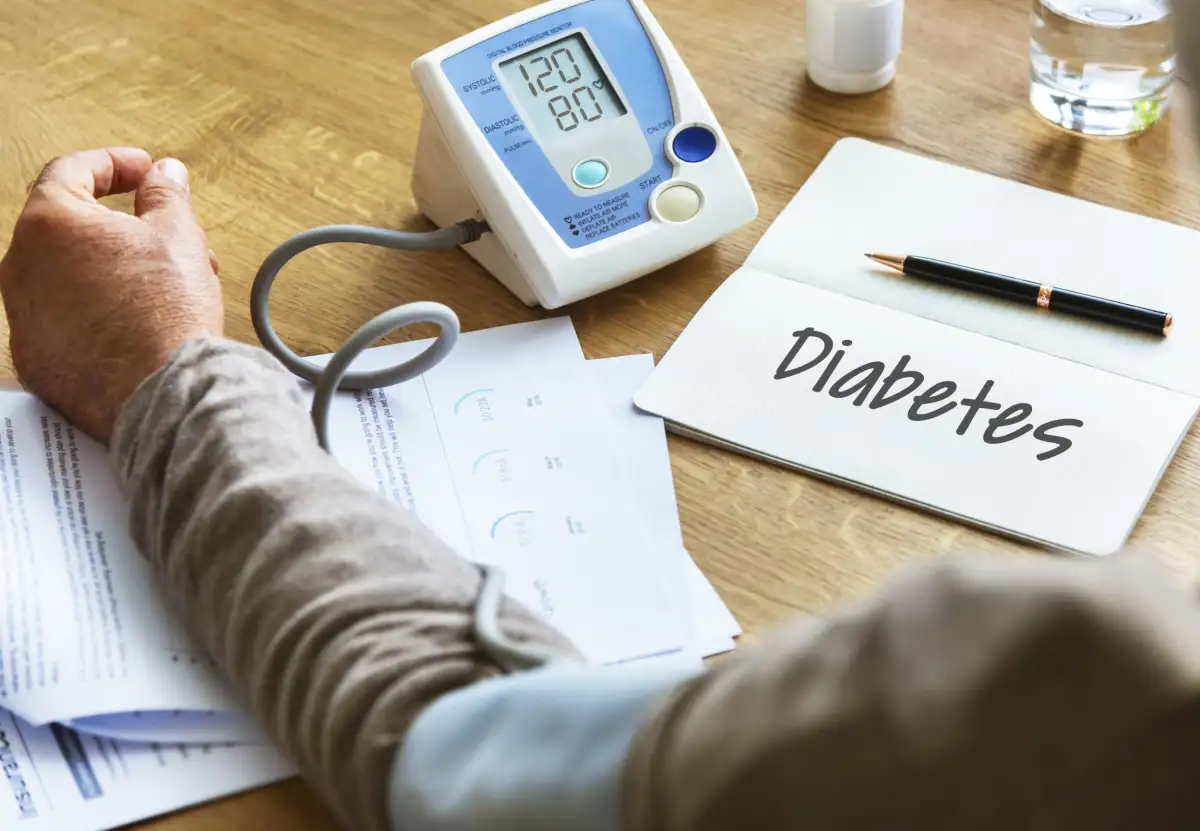
A growing body of research suggests that eating a lot of red meat may increase the chances of developing type 2 diabetes. Studies looking at the diets and health of many people have found that those who consume more beef, lamb, and pork appear to have a greater risk compared to those who eat less. The exact reasons for this connection are still being explored, but findings point to significant associations that warrant further examination.

Understanding the Link Between Red Meat and Diabetes
Recent scientific investigations have focused on the relationship between the amount of red meat people eat and their likelihood of developing type 2 diabetes. These studies have observed that higher consumption levels often correspond with increased risk.
Observational Studies: Many of these investigations are observational, meaning researchers watch patterns in large groups of people without directly intervening. They collect information on what participants eat and track their health outcomes over time.
Key Findings: Multiple studies have reported that individuals in the highest groups for red meat intake showed a notably higher chance of developing diabetes.
One study indicated that people consuming the most red meat had about a 49% higher chance of developing diabetes.
Another found that participants eating around two servings of red meat per day had a 62% higher risk compared to those eating about two servings per week.
Each additional daily serving of red meat was linked to a 16% higher likelihood of having diabetes.
Processed vs. Unprocessed: Research has examined both processed (like bacon and hot dogs) and unprocessed red meats, finding associations with increased diabetes risk for both. Some evidence suggests that processed meats may have a particularly strong link.
Evidence on Red Meat and Diabetes Risk
Multiple large-scale studies have provided data that form the basis for these observations.

Participant Numbers: Studies have involved a significant number of participants, ranging from tens of thousands to over 200,000 individuals. For instance, data from the Nurses’ Health Study (NHS), NHS II, and the Health Professionals Follow-up Study (HPFS), which included over 216,000 participants, has been central to these findings.
Diabetes Cases: Over the course of these long-term studies, a substantial number of participants developed type 2 diabetes. For example, in one analysis involving over 216,000 individuals, 22,761 participants developed type 2 diabetes.
Consumption Levels: Researchers categorized participants based on their red meat intake.
The highest consumption group was often defined as around two servings of red meat per day.
The lowest consumption group was typically considered to be around two servings per week.
Risk Increase: The reported increase in diabetes risk varied across studies:
49% higher chance for those in the highest consumption group (compared to the lowest).
62% higher risk for those eating about two servings daily versus two servings weekly.
16% higher likelihood for each additional daily serving.
Exploring Underlying Mechanisms
While the association between red meat intake and diabetes risk is observed, the precise biological pathways are still under investigation. Several potential factors are being explored.
Read More: India IVF Costs And Social Barriers Limit Access In April 2026

Heme Iron and Insulin Resistance
One line of inquiry focuses on heme iron, a form of iron primarily found in red meat and other animal products.
High intake of heme iron has been linked to insulin resistance, a condition where the body's cells don't respond well to insulin, which can lead to higher blood sugar levels.
Researchers have analyzed metabolic biomarkers, including those related to insulin, blood sugar, and iron metabolism, to understand these connections more deeply.
Branched-Chain Amino Acids (BCAAs)
Another area of interest is the role of branched-chain amino acids (BCAAs). Red meat is a source of BCAAs.
Elevated levels of BCAAs in the blood have been associated with increased risk of type 2 diabetes.
The mechanisms by which BCAAs might influence insulin resistance are complex and subject to ongoing study.
Saturated Fat and Other Compounds
Red meat is also a source of saturated fats, which have been previously linked to heart health issues and may play a role in insulin resistance.
Other compounds present in red meat, potentially altered during processing or cooking, could also contribute to observed health effects.
Alternative Protein Sources and Diabetes Risk
The research also explores what happens when red meat is replaced with other types of food.
Plant-Based Proteins: Substituting red meat with plant-based protein sources has been statistically associated with lower odds of diabetes.
Replacing red meat with nuts and legumes, for example, was linked to a 30% lower risk of type 2 diabetes in one analysis.
Other Substitutions: Replacing red meat with dairy products was associated with a 22% lower risk of type 2 diabetes. Similarly, poultry and whole grains are being examined as alternatives.
Caution on Causality: It is important to note that these substitutions show an association with lower odds, but they do not definitively prove a cause-and-effect relationship.
Expert Insights and Cautions
Medical and research professionals emphasize the nature of the current findings.
"The findings show an association, not proof that red meat causes diabetes, since the study was observational." - Article 1
"While previous studies have found a link between red meat consumption and type 2 diabetes risk, this study, which analyzed a large number of type 2 diabetes cases among participants being followed for an extended period of years, adds a greater level of certainty about the association." - Article 8
Experts also advise that no content on health websites should substitute for direct medical advice from a qualified clinician.
Conclusion and Implications
The collective evidence from multiple large studies indicates a consistent association between higher red meat consumption and an increased risk of developing type 2 diabetes. While causality cannot be definitively established due to the observational nature of most studies, the strength and consistency of the findings across diverse populations and research designs are notable.
Key Association: Individuals consuming more red meat, particularly processed varieties, appear to have a significantly higher likelihood of developing type 2 diabetes.
Potential Mechanisms: Heme iron and BCAAs are among the biological factors being investigated as possible links.
Dietary Alternatives: Substituting red meat with plant-based proteins, dairy, or poultry appears to be associated with a reduced risk, though further research is needed to confirm these benefits.
Public Health Relevance: These findings suggest that dietary patterns, specifically the balance of protein sources, may play a role in the prevention of type 2 diabetes.
Further research may aim to elucidate the precise biological pathways and explore the long-term health impacts of various dietary patterns.
Sources:
Daily Mail: Published 29 minutes ago. Focuses on a recent study linking high red meat intake to a significantly higher chance of developing diabetes, noting a 49% increase for highest consumers and a 16% increase per daily serving. Emphasizes the findings show association, not causation, as the study was observational.https://www.dailymail.co.uk/health/article-15563665/Eat-lot-red-meat-Youre-greater-risk-developing-diabetes-finds-new-study.html
Smithsonian Magazine: Published October 23, 2023. Reports on a large study of over 216,000 participants that found regular red meat eaters had a higher risk of Type 2 diabetes. Those eating about two servings daily had a 62% higher risk than those eating two servings weekly.https://www.smithsonianmag.com/smart-news/eating-red-meat-is-linked-to-type-2-diabetes-risk-new-study-finds-180983121/
News-Medical.net: Published 8 hours ago. Highlights a large U.S. study in the British Journal of Nutrition linking higher red meat intake with greater diabetes odds. Notes that replacing red meat with plant-based proteins was associated with lower odds of diabetes, but causality is not established.https://www.news-medical.net/news/20260215/Higher-red-meat-intake-links-to-greater-diabetes-odds-in-large-US-study.aspx
Diabetes.co.uk: Published August 26, 2024. Discusses a Harvard T.H. Chan School of Public Health study linking high heme iron intake (from red meat) with type 2 diabetes risk. Analyzed eating patterns and metabolic biomarkers of over 37,000 participants, plus metabolomic profiles of 9,024.https://www.diabetes.co.uk/news/2024/aug/high-intake-of-red-meat-linked-with-increased-type-2-diabetes-risk.html
Harvard T.H. Chan School of Public Health: Published October 19, 2023. Reports that red meat consumption, including processed and unprocessed types, was strongly associated with increased risk of type 2 diabetes. Analyzed data from 216,695 participants from the NHS, NHS II, and HPFS, among whom over 22,000 developed type 2 diabetes.https://hsph.harvard.edu/news/red-meat-consumption-associated-with-increased-type-2-diabetes-risk/
Everyday Health: Published October 19, 2023. States that eating more than one serving of red meat per week may increase the likelihood of developing type 2 diabetes. Suggests substituting red meat with dairy or nuts/legumes was linked to lower risk (22% and 30% respectively). Highlights processed meat for maximum impact reduction.https://www.everydayhealth.com/diabetes/eating-red-meat-linked-to-increased-type-2-diabetes-risk/
The Conversation: Published December 23, 2024. Explores the unclear mechanisms linking red meat, BCAAs, insulin resistance, and type 2 diabetes, noting that while red meat is a source of iron, its connection to diabetes may not be widely known.https://theconversation.com/eating-red-meat-may-increase-your-risk-of-type-2-diabetes-not-a-lot-of-people-know-that-245495
Harvard Health: Published January 1, 2024. This article is an archived piece and serves as a disclaimer that its content should not replace professional medical advice. It addresses the question of whether eating red meat can lead to diabetes.https://www.health.harvard.edu/diseases-and-conditions/will-eating-red-meat-bring-on-diabetes