Recent scientific efforts are uncovering new ways to understand and potentially measure the health of the human gut microbiome. Researchers are focusing on specific bacterial markers and the complex interactions within microbial communities, aiming to create more accurate indicators of well-being and disease.
Understanding the Gut Microbiome's Complexity
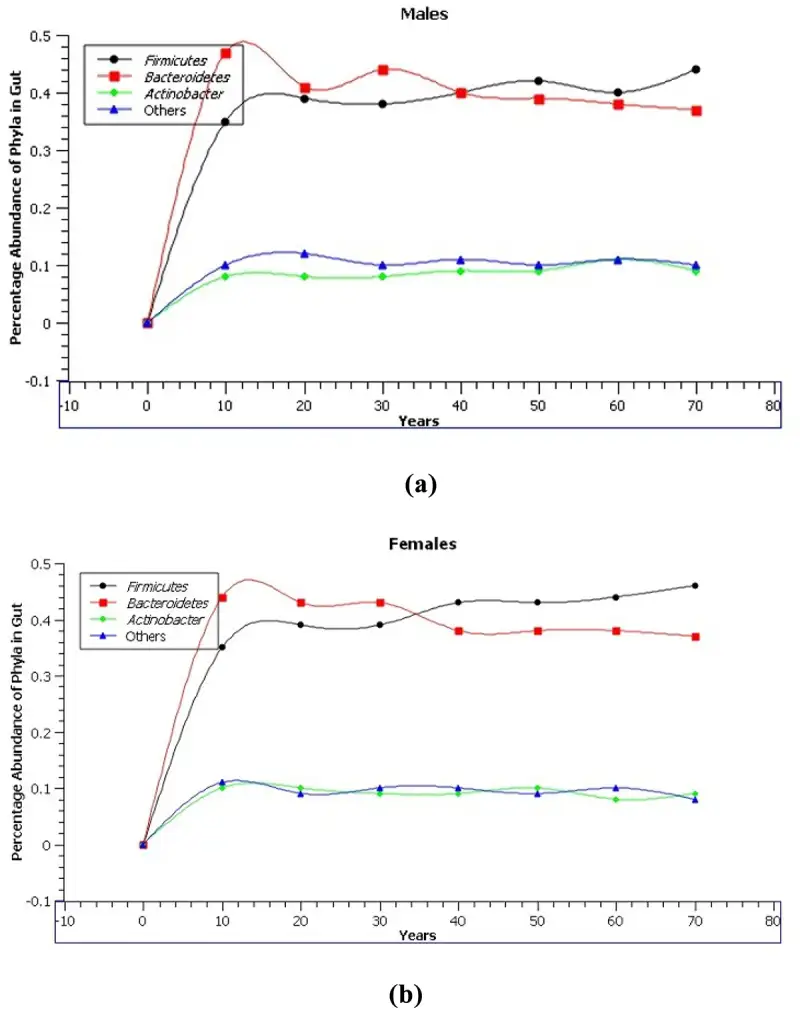
The human gut harbors trillions of bacteria, collectively known as the gut microbiome. These microorganisms play a vital role in digestion, immunity, and even mental health. For a long time, scientists have sought reliable methods to assess the balance and health of this internal ecosystem. The challenge lies in the intricate nature of microbial communities, where not just the presence of certain bacteria, but also their relationships with other microbes, appears to be significant.

Identifying Potential Markers of Gut Health
New research has identified specific components within the gut microbiome that may serve as signals for a healthy gut.
Read More: January to March: 40% of UK Adults Risk Low Vitamin D Levels

CAG-170: A newly identified bacterium, known only by its genetic signature as CAG-170, is being explored as a potential marker.
Studies involving over 11,000 individuals from 39 countries used advanced computational methods to find CAG-170's genetic footprint.
This bacterium was found in lower quantities in people suffering from various chronic illnesses.
A notable challenge is that most CAG-170 bacteria are currently difficult to grow in laboratory settings.
Measuring Microbial Interactions for Disease Tracking
Beyond individual bacteria, scientists are developing new approaches to analyze the relationships between different microbes in the gut. This shift in perspective aims to capture a more dynamic picture of gut health.
Gut Health Index: Researchers have developed a new index that measures how microbial communities interact with each other.
This index can track how these communities change and reorganize, which is linked to the emergence of diseases.
Instead of simply asking "which bacteria are present?", the focus is now on "how do these bacteria relate to each other?".
In the case of colorectal cancer, this index showed an increase as the disease progressed.
This new measure could potentially make microbiome-based therapies, such as probiotics and fecal transplants, more predictable in their success or failure.
Advancing Research with Accessible Bacterial Collections
To facilitate deeper understanding, efforts are underway to create extensive and accessible collections of gut bacteria for scientific study.
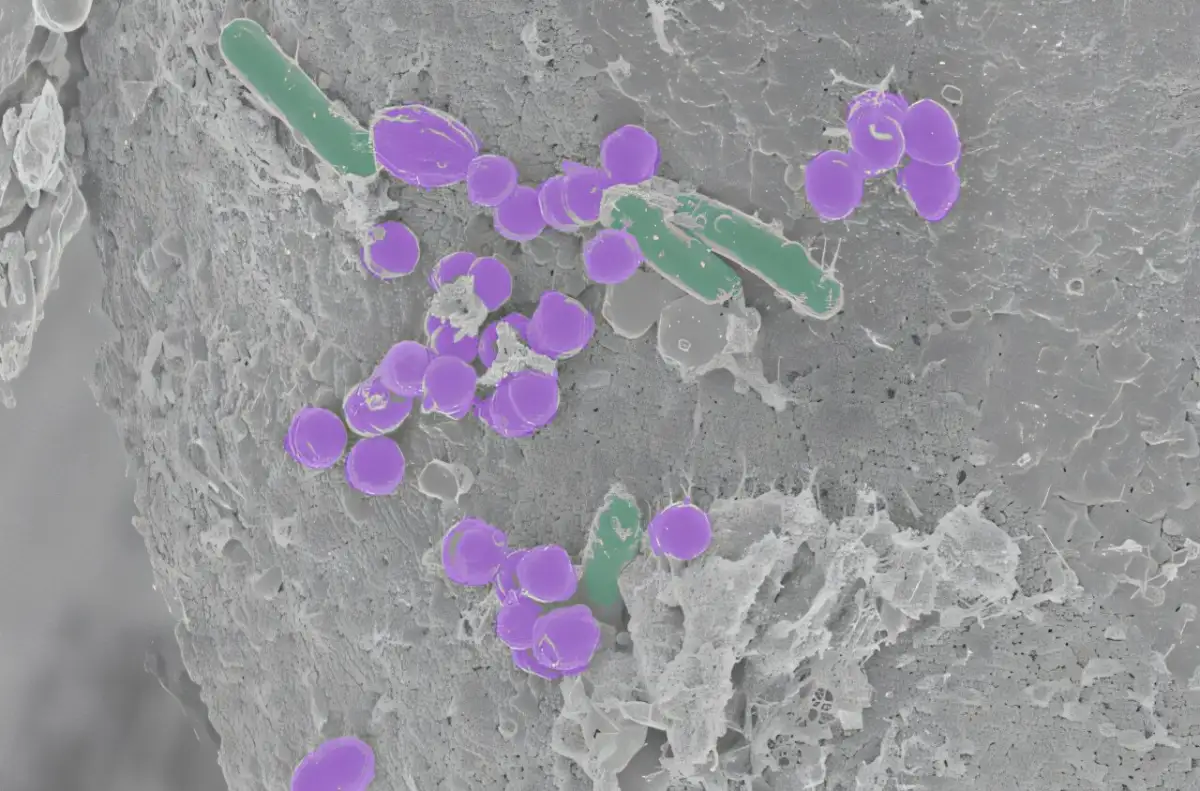
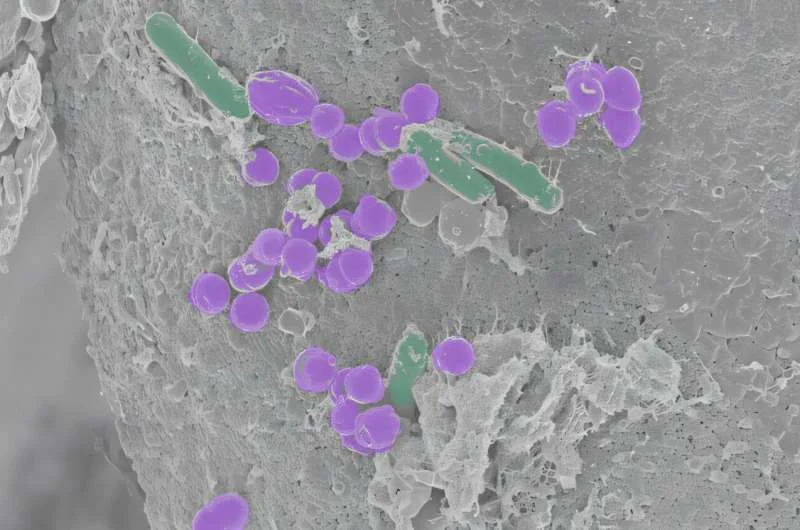
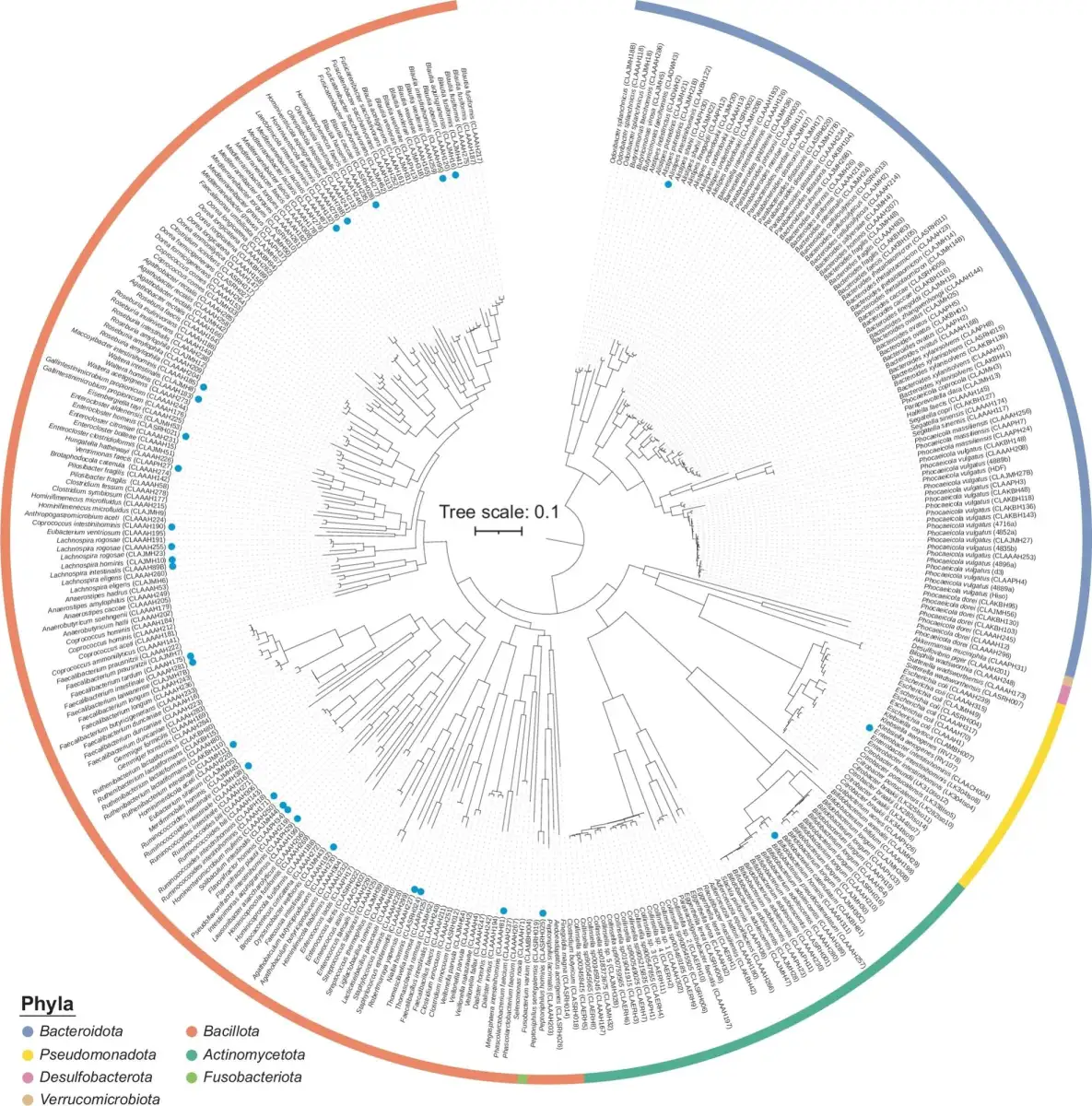
Human Intestinal Bacteria Collection (HiBC): A publicly available collection of over 300 live gut bacterial strains has been established.
Many of these strains have not been studied before.
This collection aims to empower research into areas like inflammation, immunity, and the development of future therapies.
Expert Insights and Future Directions
The ongoing research highlights a fundamental shift in understanding gut health. The traditional focus on identifying "good" or "bad" bacteria is evolving to encompass the complex web of interactions within the gut.
"Instead of asking which bacteria are there, we started asking how they are related to other bacteria," explained Juan Bonachela, an associate professor involved in the Rutgers University study. He added, "They need to be there with the right partners.”
This perspective suggests that the presence of certain bacteria is less critical than their ability to coexist and interact effectively within a balanced community.
The development of new tools like the Gut Health Index and accessible bacterial collections, such as HiBC, represent significant steps forward. These advancements offer promising avenues for better identifying gut health issues, tracking disease progression, and ultimately, developing more reliable and predictable microbiome-based treatments.
Read More: Royal Society of Chemistry moves journals to Silverchair platform in 2024
Conclusion
Current scientific endeavors are yielding critical insights into the intricate world of the gut microbiome. The discovery of potential bacterial markers like CAG-170 and the development of methods to measure microbial interactions are transforming our ability to assess gut health and its relationship to disease. These innovations suggest that a more nuanced understanding, focusing on the dynamic relationships within the microbial community, is key to unlocking new diagnostic and therapeutic strategies for a wide range of health conditions.
Sources Used
Bing / ScienceDaily: Scientists discover a hidden gut bacterium linked to good health.
Link:
https://www.sciencedaily.com/releases/2026/02/260211204210.htmContext: Provides information on the discovery and potential use of CAG-170 as a health marker.
Medical Xpress: Gut health index measures microbial interactions to track disease.
Link:
https://medicalxpress.com/news/2026-02-gut-health-index-microbial-interactions.htmlContext: Details the development of a gut health index based on microbial interactions and its application in tracking disease, referencing insights from Juan Bonachela.
Rutgers University: Scientists Develop New Gut Health Measure That Tracks Disease.
Link:
https://www.rutgers.edu/news/scientists-develop-new-gut-health-measure-tracks-diseaseContext: Reports on the creation of a new gut health measure that tracks microbial behavior and signals conditions like colorectal cancer, also quoting Juan Bonachela.
News-Medical.net: Scientists build world's most accessible gut bacteria collection to unlock health and disease clues.
Link:
https://www.news-medical.net/news/20250507/Scientists-build-worlds-most-accessible-gut-bacteria-collection-to-unlock-health-and-disease-clues.aspxContext: Introduces the Human Intestinal Bacteria Collection (HiBC) and its significance for future microbiome research.