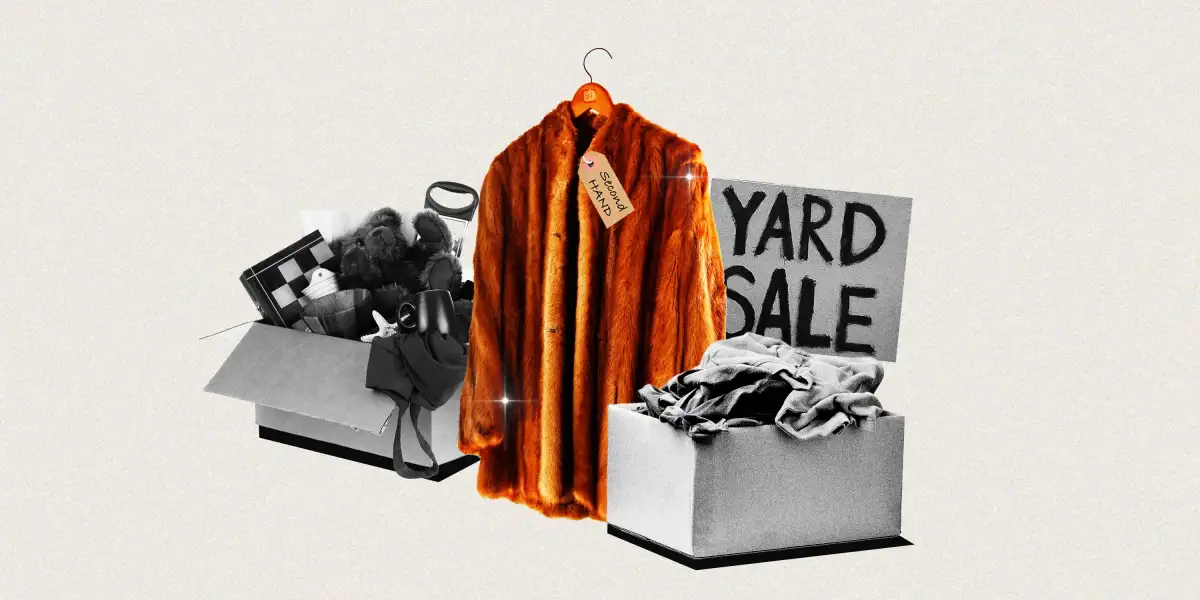
Aggressive resellers are creating a frenzy at thrift stores and estate sales, acquiring items in bulk and flipping them for significantly higher prices. This practice, often involving physically jostling other shoppers, leaves many disillusioned with the traditional secondhand shopping experience. Some within the resale community itself voice concerns about these tactics. The items being resold, predominantly on platforms like 'Whatnot', are essentially anything with perceived profit potential.

While some focus on high-volume acquisitions, others target specific items with the aim of turning a large profit. This often means buying low on platforms like 'Facebook Marketplace' and selling higher on sites like 'eBay', which offer a wider audience. This dynamic means shoppers seeking bargains may end up purchasing items from these resellers at prices that are a multiple of the original thrift store cost.
Read More: Prime Day Beauty Sales 2025: Big Discounts on Makeup and Skincare
The Boom and Its Burdens
The secondhand market is undeniably growing, fueled in part by economic shifts and technological advancements. Platforms such as 'ThredUp' are processing vast quantities of used clothing, rivaling the logistics of fast-fashion giants. Technology, including AI systems for cataloging and pricing, is a key factor in scaling resale operations to feel more like traditional retail. This growth, however, is not without its friction.
Beyond the Bin
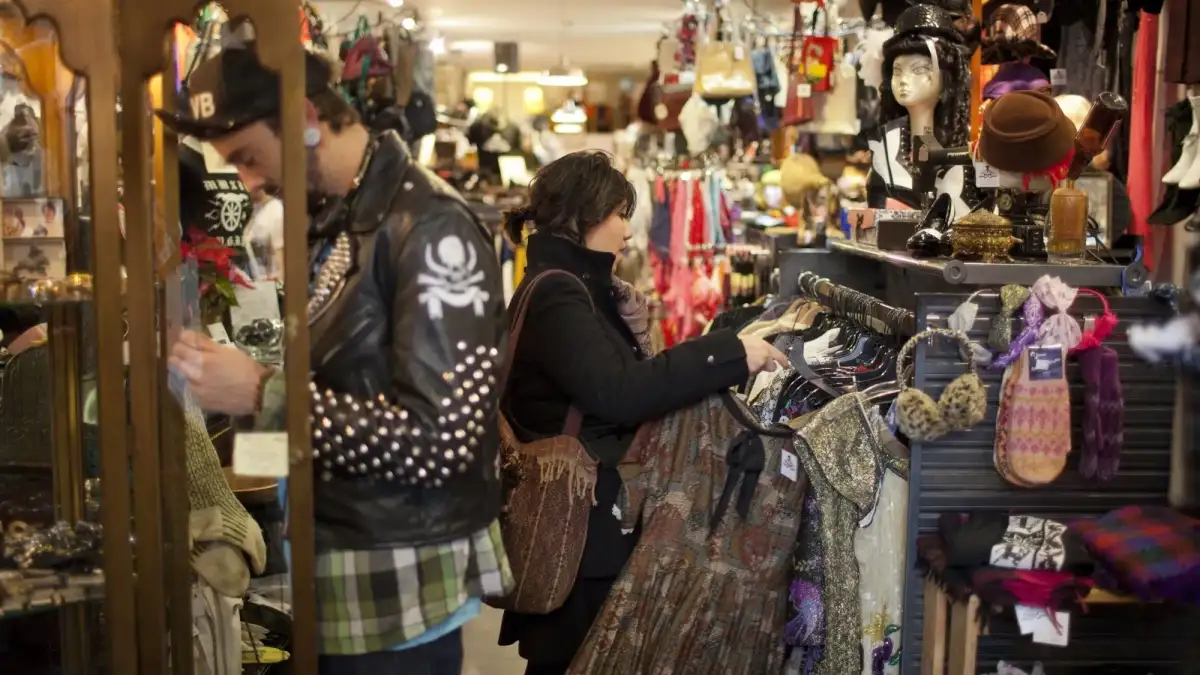
The allure of secondhand shopping for many consumers lies in its potential for unique finds and affordability. Yet, the experience is often unpredictable. The inherent lack of a structured product catalog, unlike new retail, presents a "discovery dilemma" for mainstream shoppers. While interest in resale is increasing, many still hesitate to adopt it as a regular shopping habit.
Underlying Currents
Concerns are also surfacing about the broader impact of reselling. Questions arise about whether resellers are depleting thrift stores of desirable items, a practice some stores address by auctioning off their best finds separately. This, combined with the aggressive acquisition tactics, raises ethical considerations within the burgeoning secondhand economy. The increasing volume of goods available means that for some, the search for a genuine bargain is becoming a more challenging endeavor, with fears of being priced out of the very market that promised affordability.
Read More: Delivery drivers face customer questions about tips in London