


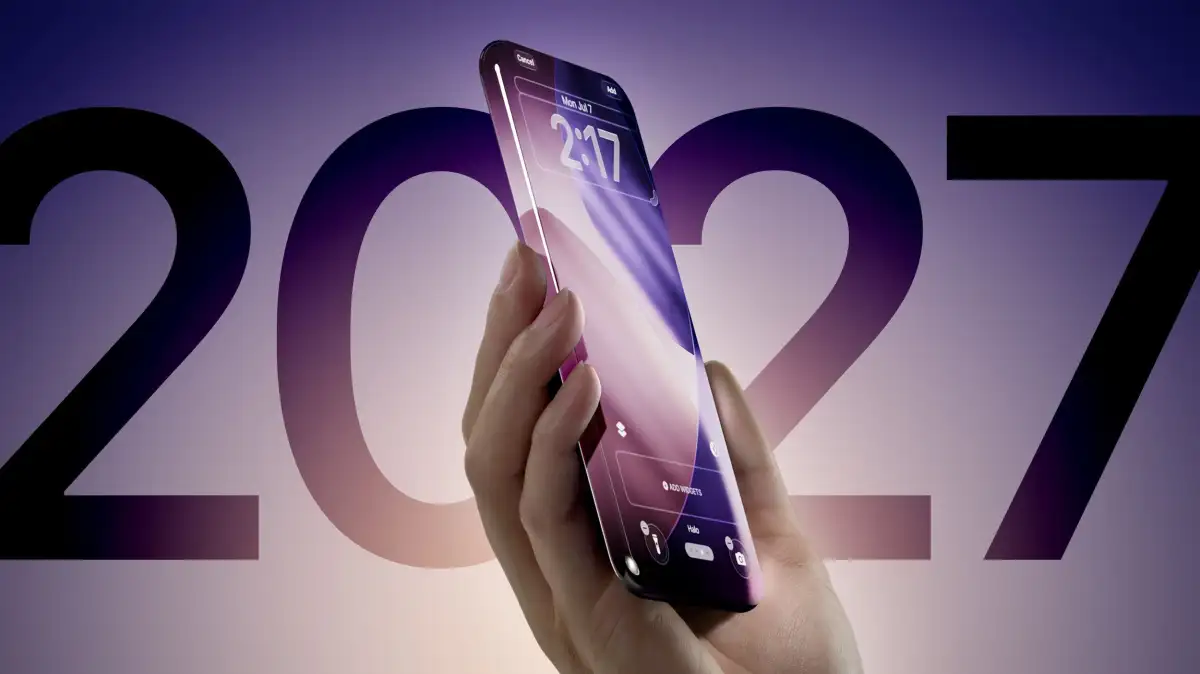
Apple is reportedly exploring a dramatic redesign for its 20th-anniversary iPhone, slated for a 2027 release. This potential overhaul, internally referred to as the 'iPhone 20' or 'iPhone XX', could ditch physical buttons entirely in favor of an uninterrupted, all-glass surface, echoing the significant design change introduced with the iPhone X.
The core of this rumored design is an 'all-glass, button-free' aesthetic, aiming for a truly seamless display. This shift would necessitate substantial advancements in materials science and manufacturing, with suggestions pointing towards revolutionary glass durability and potentially 'four-sided bending technology' to achieve a wrap-around display. The under-display integration of the front-facing camera and Face ID system is a critical component of this vision, promising an unblemished screen free from notches or punch-hole cutouts.
Under-Display Technology as a Key Enabler
The realization of a button-less, all-glass iPhone hinges on the successful implementation of under-display technologies. Reports indicate that under-display Face ID is anticipated with the 'iPhone 18 Pro', potentially shrinking the current Dynamic Island to a punch-hole for the selfie camera. This technology, along with an under-display selfie camera, is expected to converge for the 20th-anniversary iPhone. The development path appears to involve a staged rollout, with the under-display selfie camera potentially debuting on a foldable iPhone first as a "real-world test" before its integration into the main anniversary device. Challenges remain, particularly with the reliability and visual quality of under-display cameras, which have a mixed public track record.
Read More: Chrome mimeHandler API lets extensions handle file types
Design Implications and Manufacturing Hurdles
This proposed design represents the most significant iPhone redesign since the iPhone X, aiming to create a device that makes all previous models appear dated. The all-glass construction is described as a "quantum leap in durability," going beyond mere incremental improvements over current Ceramic Shield technology. However, the manufacturing complexity is considerable, with suggestions that the intricate nature of this design might necessitate its production in China, utilizing state-of-the-art techniques, even as Apple diversifies manufacturing to regions like India and Vietnam. The complexity could also extend to the materials science required, demanding glass far superior to current offerings.

Market Positioning and Anticipated Costs
The 20th-anniversary iPhone is expected to command a higher price, drawing parallels to the iPhone X, which first breached the $1,000 price point due to its then-next-generation technologies. This premium positioning is also linked to the anticipated advanced features and the overall strategic pursuit of an aesthetic that aligns with broader market trends in premium smartphones. The move towards an all-glass design is seen as a long-held vision within Apple, potentially influenced by past design philosophies.
Read More: Pixel 10 US models go eSIM only, international models keep physical SIM
Timeline and Naming Conventions
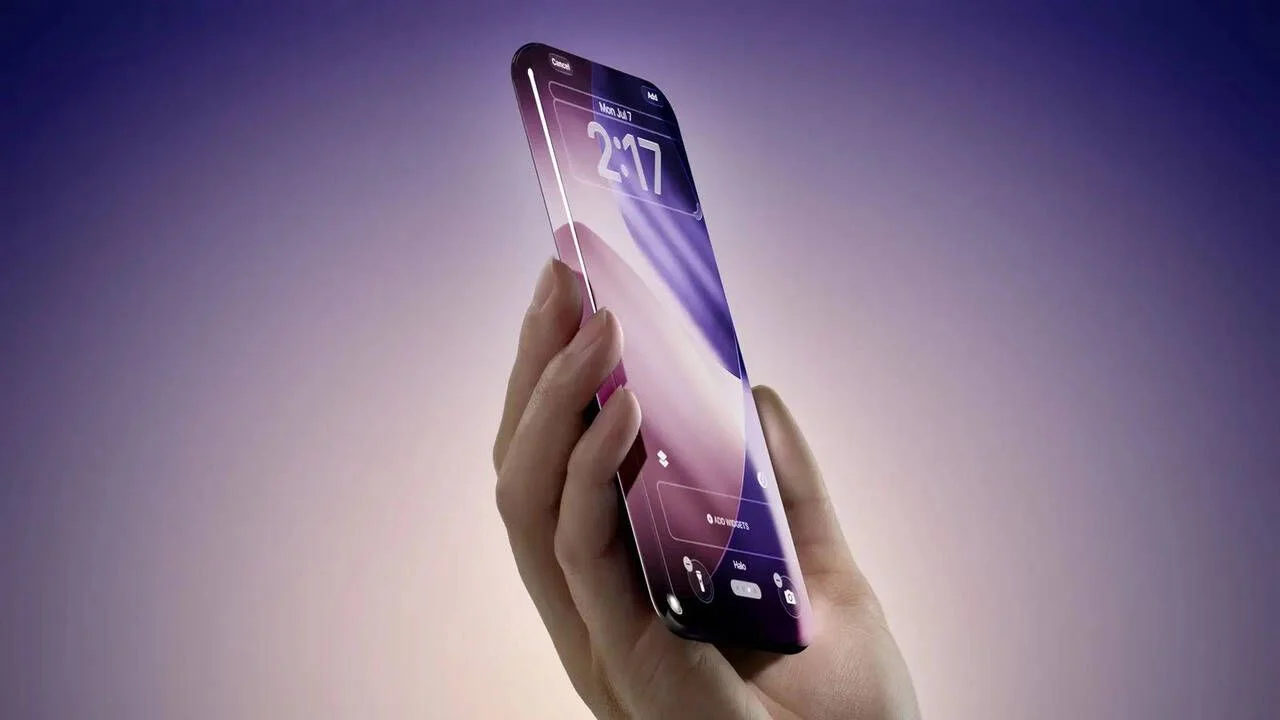
While specific details remain speculative, the 2027 release date is consistently mentioned in relation to Apple's 20th iPhone anniversary. There is also speculation that Apple might skip the 'iPhone 19' designation, jumping directly to 'iPhone 20' to emphasize the milestone. This roadmap suggests a gradual introduction of key technologies, with under-display Face ID and cameras being perfected and rolled out across different models before their unified integration in the anniversary device.





