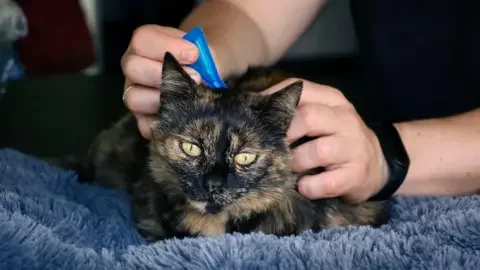
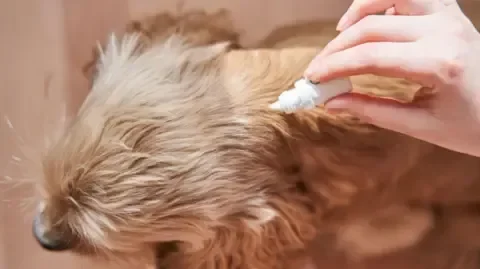
Toxic chemicals from common pet flea treatments are saturating rivers across the United Kingdom, reaching levels proven to be harmful to aquatic life. The substances, primarily parasiticides applied topically to pets, are entering waterways through various routes, including pet bathing and wastewater systems, particularly in urban areas. Investigations reveal that imidacloprid and fipronil, two such pesticides, have been found in nearly half of urban river samples at concentrations exceeding safe limits.
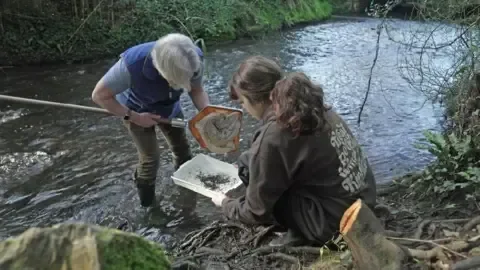
The environmental toll is significant, with these chemicals posing a demonstrable threat to fish and other aquatic organisms. Evidence suggests these parasiticides can have negative health effects on fish and have been linked to harming pollinating insects, a link that previously led to their ban in agricultural applications. The widespread use of these treatments, often applied preventively even when pets are not infested, amplifies the pollution problem.
Read More: Amazon Land Use Changes Cause Disease Clusters in Brazil
Experts and Officials React to Mounting Evidence
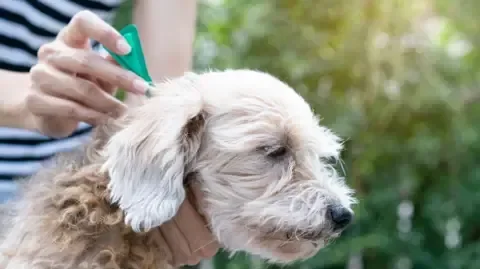
Scientists are urging for a reassessment of current practices and regulations surrounding these pet treatments. There are calls for stricter regulation and a move away from preventive topical applications. Some experts now advise against the use of spot-on treatments as a preventative measure, suggesting oral treatments as a more environmentally sound alternative.

In response to growing concerns, the British Veterinary Association (BVA) has updated its guidance for pet owners regarding the routine use of these treatments. The UK government, through the Department for Environment, Food & Rural Affairs (DEFRA), has acknowledged the issue, with the Veterinary Medicines Directorate (VMD) commissioning research to understand the pathways through which these substances reach rivers.
One Member of Parliament, Rachel Gilmour MP, has spoken in Parliament, advocating for restrictions on the trade of Fipronil and Imidacloprid. She proposes that their continued use should be under strict veterinary prescription only and for limited durations.
Read More: Savage Industries Dog Harnesses Tested for Better Walks
Pathways to Pollution and Calls for Change
The exact mechanisms by which these chemicals enter waterways are being studied. One significant pathway identified is through "down-the-drain" routes via sewer misconnections. When pets are bathed or their waste enters the sewage system, residual treatments can bypass treatment plants and enter rivers.
"Collaborating with Cardiff University has allowed us to focus the specialist analytical expertise and advanced instrumentation within Natural Resources Wales' Analytical Services team to generate important new evidence showing that veterinary pesticides from both urban and rural sources are reaching Welsh rivers at levels that can harm wildlife." - Anthony Gravell, Natural Resources Wales
The contamination is not confined to specific regions, with reports detailing its presence in rivers across Wales and other parts of the UK. Higher concentrations have been noted in smaller urban streams, such as Roath Brook in Cardiff.
This issue is part of a larger concern regarding 'pharmaceutical and veterinary drug pollution in water systems'. While these treatments offer crucial health benefits to companion animals, the findings highlight an urgent need for pet owners, veterinarians, and regulators to consider the broader environmental consequences and explore more 'sustainable alternatives for pet parasite control'.
Read More: Kanyakumari Atomic Mining Permit Extended for 1144 Hectares in 2026
Background: A Growing Environmental Awareness
The discovery of these toxic levels of flea treatment chemicals in rivers adds to a growing body of evidence highlighting the environmental impact of everyday products. Chemicals once deemed safe for use in homes are now understood to have far-reaching consequences when they enter natural ecosystems. The fact that these parasiticides were previously banned for agricultural use due to their impact on pollinators underscores a potential oversight in their authorization for widespread pet use. The ongoing research by bodies like Welsh Water and universities signifies a concerted effort to map and understand these environmental threats.



:strip_icc()/GettyImages-688951857-586d7be13df78c17b6e3a3cb.jpg)