

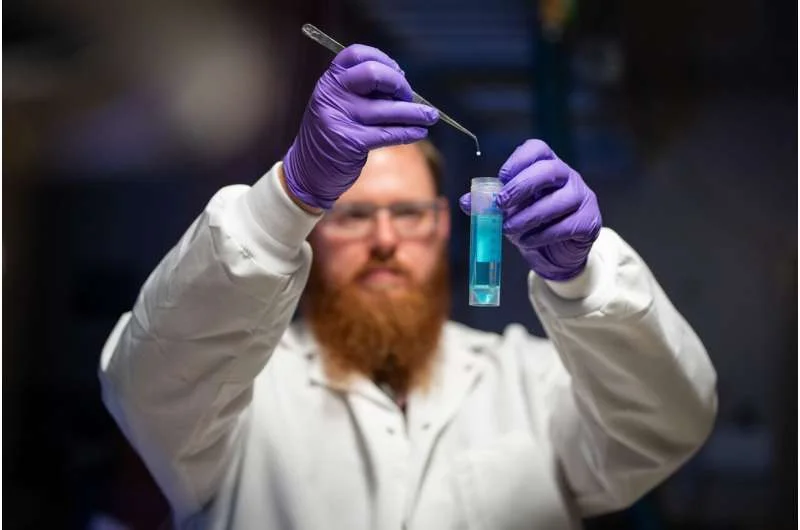
A faster, more sensitive method for detecting per- and polyfluoroalkyl substances (PFAS) in water has been developed, promising to cut testing times from hours or days to mere minutes. This innovation could significantly alter the landscape of environmental monitoring and public health responses to these persistent contaminants, often referred to as "forever chemicals."
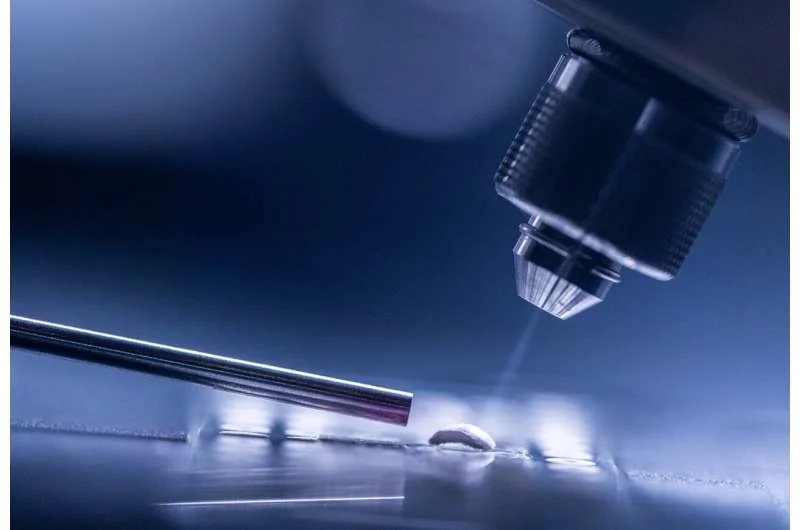
Several research groups appear to be independently or collaboratively working on and announcing such advancements. Notably, a five-minute test is being highlighted for its ability to spot PFAS down to parts-per-trillion levels. Another approach claims results in three minutes or less, utilizing techniques like 'paper spray mass spectrometry' (PS-MS) which researchers suggest is 10-100 times more sensitive than existing standard methods, such as liquid chromatography/mass spectrometry.
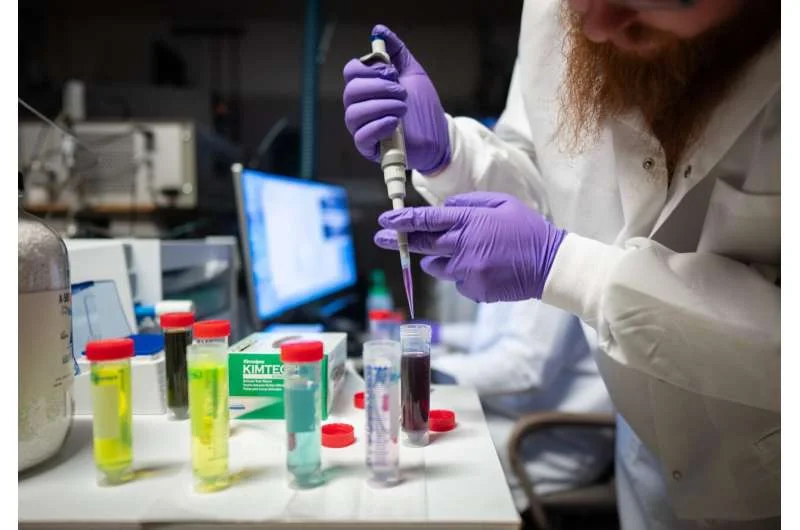
These new methods aim to circumvent the lengthy and complex procedures often required by traditional laboratory analysis. The speed and reduced complexity could make it a valuable tool for promptly identifying and addressing contamination in water sources, consumer products, and even food packaging materials. Researchers emphasize the importance of rapid testing in facilitating timely responses to environmental hazards and informing public health decisions, potentially aiding regulatory bodies in enforcing safety standards.
Read More: New Pocket Found on Protein Cereblon Could Improve Cancer Drugs
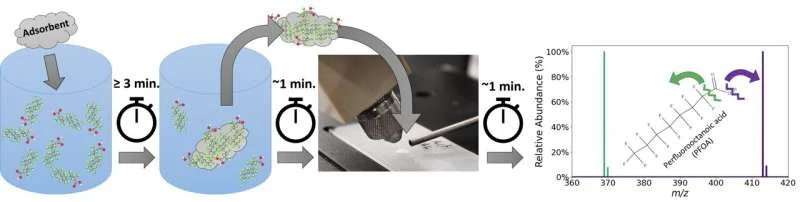
One development involves a sensor technology that can detect PFAS at levels as low as 200 parts per trillion in water samples. This technology offers a quicker alternative to sending samples to specialized labs, a process that has been the primary method for consumers to determine PFAS presence in their drinking water. The same research team reportedly also showed that their method could selectively bind to specific PFAS compounds, even when other chemicals are present at higher concentrations.

PFAS chemicals, widely used in thousands of consumer products due to their water and stain-repellent properties, have been found in drinking water sources across all 50 U.S. states. While commercially available filters can reduce PFAS levels in household drinking water, knowing if they are present has historically required significant analytical time.
Background:The development of these rapid testing methods stems from a persistent challenge: the widespread presence of PFAS and the slow pace of detection. For years, scientists have been grappling with the need for more efficient ways to identify these chemicals. The very nature of PFAS, their chemical stability, and their prevalence in various materials contribute to their pervasiveness in the environment. The scientific community has been exploring various approaches, from improved absorption and degradation techniques to, now, enhanced detection. This push for faster diagnostics is driven by the growing understanding of the potential health risks associated with long-term exposure to PFAS.
Read More: Democratic Voters Want Centrist Policies, New Poll Shows