Dublin, Ireland – May 18, 2026 – As Fianna Fáil convenes to mark its 100th anniversary, the specter of Bertie Ahern has resurfaced, casting a peculiar shadow over proceedings. Amidst official commemorations and a collective nod to past glories, a growing segment within the party is reportedly exploring the possibility of Ahern's candidacy for the upcoming Presidential Election. This internal discussion, amplified by various party figures and even some external political voices, introduces a complex layer to the centenary celebrations, prompting questions about the party's present direction and its relationship with its historical narrative.

The resurgence of interest in Ahern's public role, particularly concerning a potential presidential run, has been met with mixed signals within Fianna Fáil. While some see it as a viable path, drawing on Ahern's past electoral appeal, others perceive it as a distraction, especially given the party's current positioning. The timing of Ahern's recent emergence in public discourse, described as an "embarrassing" moment for the party, further complicates this narrative, occurring just as the centenary events are underway.
Read More: Taiwan Holds Nantou County Drills to Prepare for State Collapse

Internal Currents and External Endorsements
The push for Ahern's potential presidential nomination is not a monolithic force within the party. Reports indicate varying sentiments:
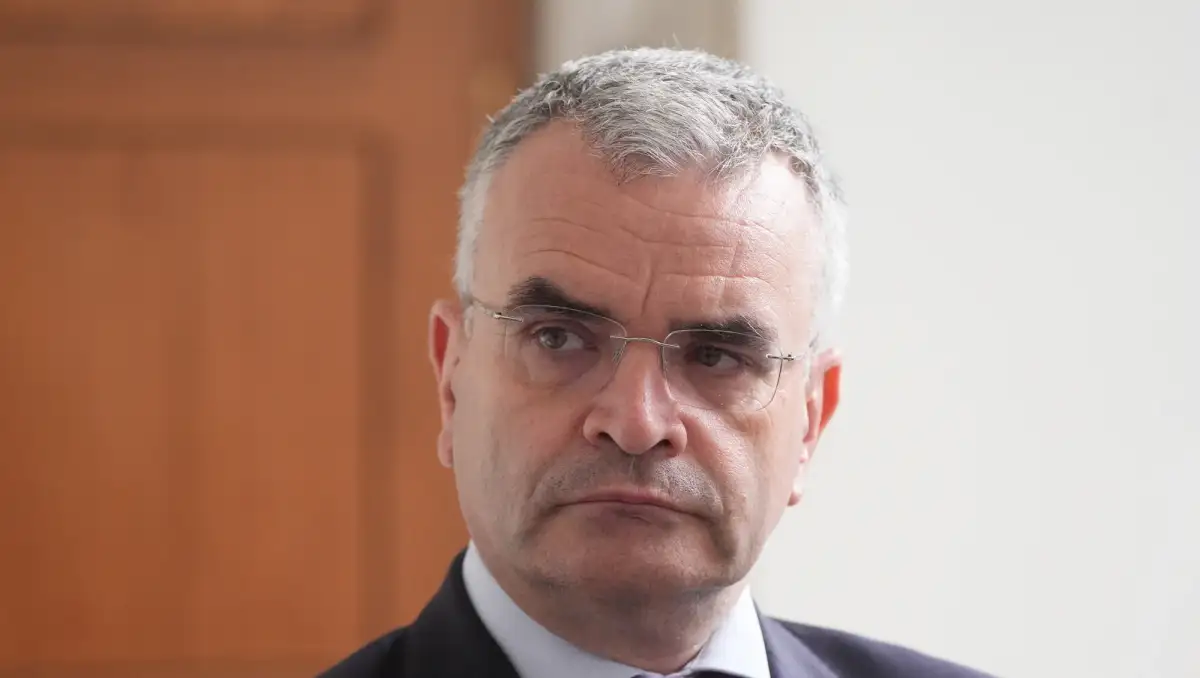
Support for Ahern: Councillor from Kerry has openly stated support for Ahern securing the party's nomination. Similarly, SDLP MLA Justin McNulty, a figure with cross-border political recognition, has lent his backing to the idea.
Alternative Candidacies: There are also voices within Fianna Fáil advocating for Micheál Martin himself to contest the presidency. A Carlow-Kilkenny TD, Peter 'Chap' Cleere, has been cited as suggesting Martin as the party's candidate, reflecting a broader internal debate about leadership and electoral strategy.
These internal discussions unfold against a backdrop of broader reflections on Fianna Fáil's legacy. The party's centenary is being framed by some as a moment to recall "the good times," a sentiment that perhaps finds resonance with the re-emergence of figures associated with past periods of political dominance.
A Look Back, A Look Forward
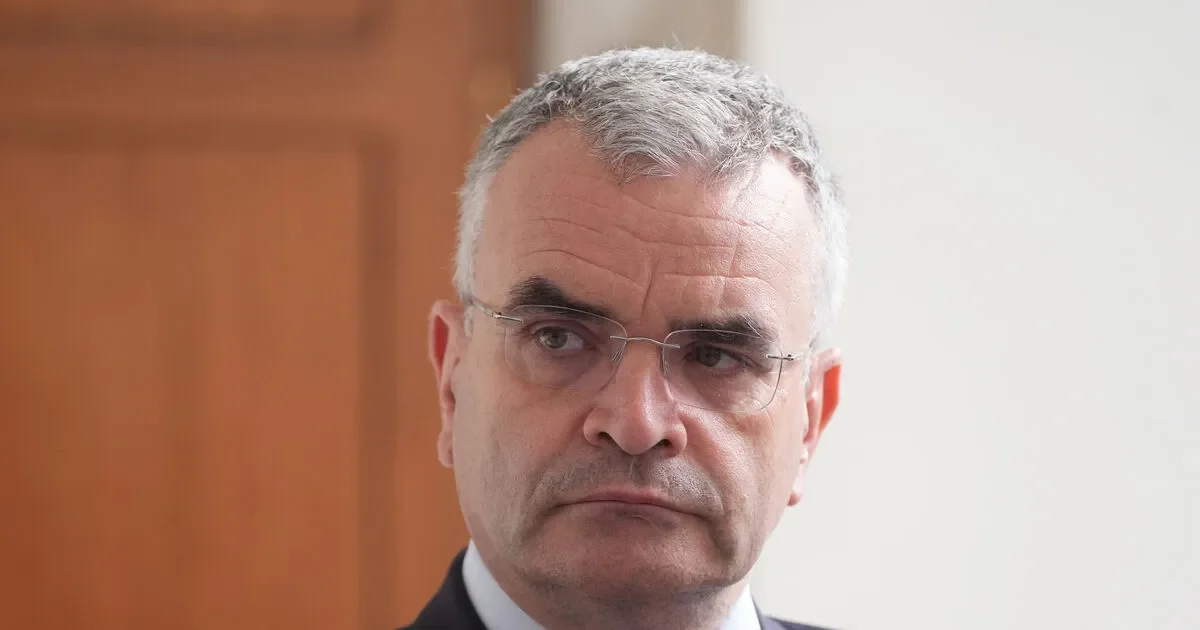
The reappearance of Bertie Ahern in contemporary political discussions serves as a potent reminder of Fianna Fáil's long and often turbulent history. Mick Clifford, writing in the Irish Examiner, notes that Ahern's earlier electoral successes were achieved in a different media landscape, one where the "doorstep" was a primary, and perhaps less weaponized, tool of political engagement. This contrast highlights how political strategies and public perception have evolved.
Read More: Habibi Grill on Cork's Northside Offers New Syrian Food
The centenary celebrations themselves are being interpreted through various lenses. While some observers focus on the perceived "return of the good times" and the potential for renewed political fortune, others express a sense of uncertainty about the party's future trajectory. The celebration is marked by a desire to acknowledge past achievements while grappling with the complexities of Ireland's evolving political culture. This includes acknowledging historical events and figures, some of whom, like Elizabeth Berney, represent the closing of a revolutionary generation, or whose stories, like Julia ‘Juie’ O’Riordan's wartime bravery, have long been confined to private narratives. The unveiling of artifacts, such as the motorbike that accompanied Michael Collins on the day of his death, further grounds the centenary in tangible historical touchstones.
The broader context of Ireland's past, including its social and political struggles, such as the fight for contraception access represented by May McGee, or the lingering impact of historical conflicts as seen in the 'Soldier F' verdict, inevitably shapes the present moment. As Fianna Fáil looks back over its century of existence, the presence of figures like Ahern invites a complex intermingling of nostalgia, strategy, and the ongoing, often uncomfortable, engagement with the nation's past.
Read More: FBI Analysts Review Georgia 2020 Election Data in Fulton County