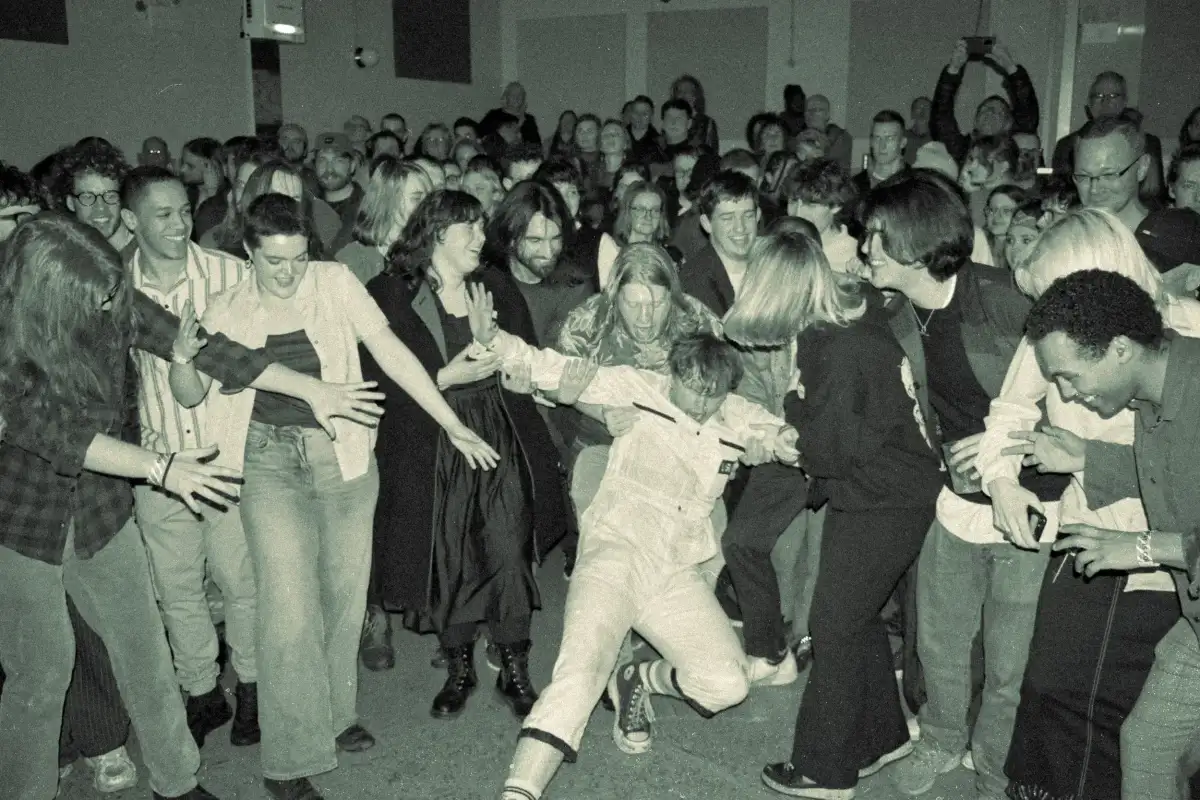
As of 04/07/2026, the Leeds-based collective known as Ferg’s Imaginary Big Band has solidified its position as a central, if unruly, fixture in the contemporary UK jazz landscape. The ensemble, directed by bassist Fergus Quill, currently fluctuates at over 40 members, blending trained improvisers with non-musicians in a structural rejection of formal conservatory hierarchy.

The core ethos of the project relies on the tension between traditional big band arrangement—historically rooted in the works of Duke Ellington and Count Basie—and a performative commitment to aesthetic and social anarchy.
Structural Composition and The New Atomic
The collective’s third studio album, The New Atomic, released 26/06/2026 via Trash City Records, serves as a distillation of this ethos. Recorded over a three-day session, the project required the distillation of five hours of raw improvisational data into a forty-minute record.
Read More: Paul McCartney and Bruce Springsteen impact on rock music legacy 2026

Membership Density: The group functions as a collaborative nexus, drawing personnel from notable Northern ensembles such as Awen Ensemble, Ancient Infinity Orchestra, Plantfood, and KOG.
Arrangement Philosophy: The work deliberately avoids the "graded exam" systems of the UK, opting instead for a mix of raw swing, noise textures, and theatrical absurdity.
Critical Reception: The work is categorized by industry observers as a 'reverent but confrontational' update to the large-ensemble format, bridging the gap between historical swing and contemporary 'punk-jazz.'
Background: From Tribute to Institution
The evolution of the group reflects a shift from localized, derivative performance to a broad-based, experimental entity. Originally conceptualized as a Sun Ra tribute act in Leeds, the ensemble has bypassed standard commercial infrastructure to gain institutional traction.
| Performance Venue | Notable Status |
|---|---|
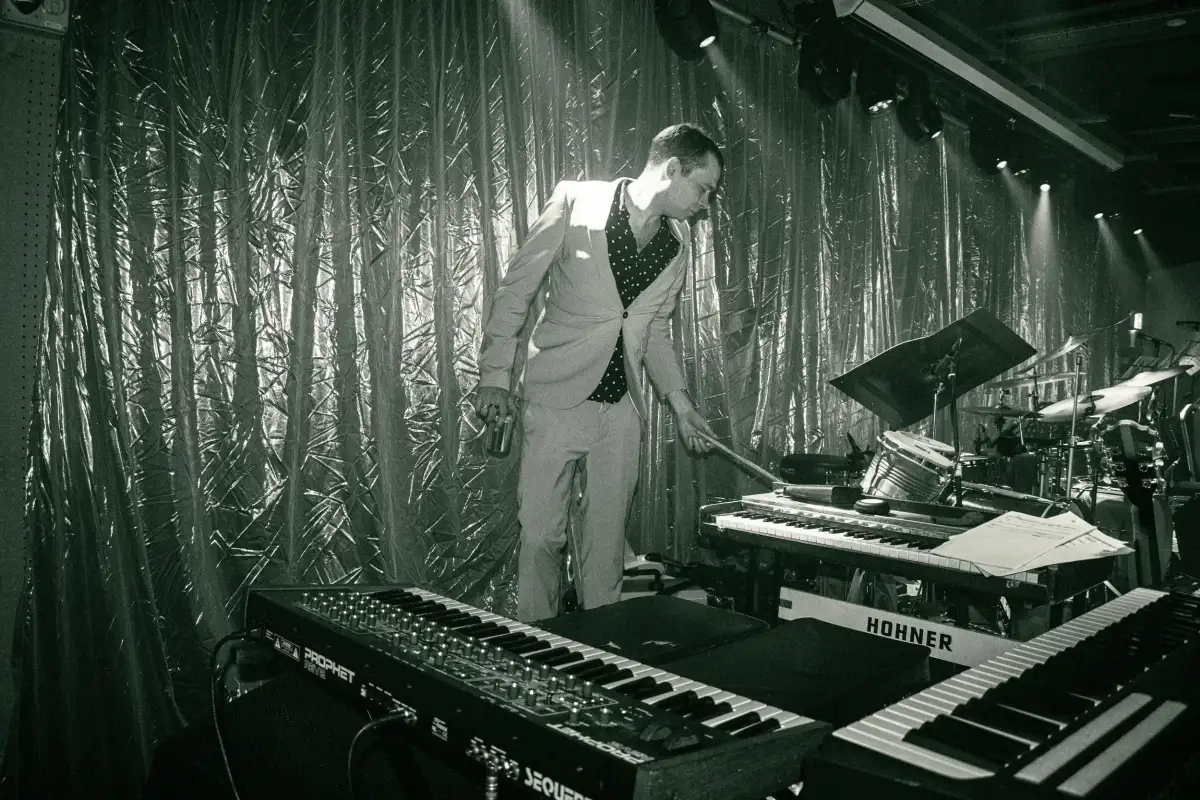
| Ronnie Scott’s | Sold-out residency |
| Howard Assembly Rooms | Key regional showcase |
| London Jazz Festival | Highlighted as 'unique' UK ensemble |
The project is now cited by figures in Jazz FM and BBC Radio 3 as an outlier in the British Experimental Music circuit. By incorporating members who do not read musical notation, Quill maintains a standard of 'imperfection' that prevents the band from becoming a static relic of jazz history. The shift towards the 'The New Atomic' marks a definitive move toward a soundscape that synthesizes film scores, noise-rock, and Anti-Fascist sentiment, ensuring the music remains an unpredictable, non-repeatable event.